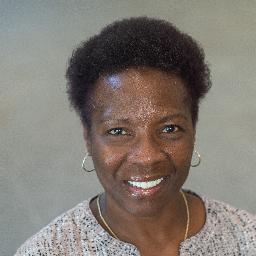
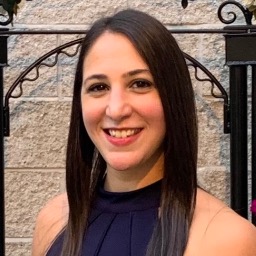
John Shafer
LCSW
Experienced existential therapist with practical tools
- Stress, Anxiety
- Relationship
- Family
Clinical social work directory
105 therapists in this directory hold a licence issued in New York and name existential therapy among their approaches. Sessions are online; a US therapist can usually only see people in a state where they hold a licence, so check the credentials panel on each profile.
Welcome to Existential Therapists' New York online therapy directory. All therapists listed here are licensed to practice in New York - explore profiles to learn about approaches, credentials, languages, and experience.
LCSW
Experienced existential therapist with practical tools
LMHC
Practical, meaning-focused support for life shifts
LMHC
Experienced counselor blending values and skills
NY Psychoanalyst
Calm guidance for meaning and coping
LMHC
Practical support for anxiety, mood, and relationships
LMHC, LPC
Calm, practical guidance for life transitions
LMHC
Existential-minded counselor focused on daily coping
LCSW
Down-to-earth therapist focused on practical support
LCSW
Practical, respectful therapy for everyday struggles
LMHC
Person-centered counselor focused on practical change
LCSW
Practical, thoughtful therapy focused on meaning
LMHC
Calm, practical support for life’s hard questions
LMHC
Compassionate, practical support for life’s challenges
LMHC, LPC
Compassionate practical therapy for life’s pressures
LCSW
Existential-informed LCSW helping people find direction
NY Psychologist
Experienced psychologist blending meaning and skills
LMHC
Thoughtful, practical support for life’s hard moments
LMHC
Bilingual counselor focused on meaning and connection
LMHC
Counseling that balances meaning and practical skills
LMHC
Calm, practical therapy for life’s hard moments
LCSW
Calm guidance for life's difficult transitions
LMHC
Existential-informed counselor focusing on life transitions
LMHC
Direct, compassionate therapy for everyday challenges
LCSW
Care-focused social worker helping with life transitions
LMFT
Insightful therapy for relationship and life challenges
LMHC
Calm, practical support for life's hard moments
LCSW-R
Practical support for stress and life direction
LMHC
Compassionate, goal-focused counseling in New York
LCSW
Compassionate LCSW helping people find meaning and change
LCSW
Compassionate existential perspective for real life
LMHC
Practical skills for emotion and relationship struggles
LCSW
Helping people build confidence and focus
LCSW-R
Compassionate, practical help for everyday struggles
LMHC
Helping people find meaning and manage life's challenges
LMHC
Experienced New York LMHC focused on meaning and coping
LMHC
Practical, compassionate counseling for life challenges
LCSW
Existential-informed therapist focused on practical support
LMHC
Grounded counseling for real-life struggles
NY Psychologist, WA Psychologist
Therapist focused on practical support and meaning
Some links on this page are partner links. We will earn a commission if you sign up through one, at no cost to you. It does not change what you pay or the order of the listings.
Online therapy has become a regular option for people across New York, from the five boroughs to upstate communities. In New York you will typically work with a clinician who is licensed in the state. Licensing matters because it defines the legal and professional standards that govern practice. When you search listings you will find clinicians who note a variety of therapeutic approaches, specialties, and languages. Keep in mind that a listing of an approach indicates that the clinician includes it among their methods; it does not function as an independent verification of specialized certification. Online therapy in New York can take different forms, including video sessions, phone sessions, and text-based or chat-based care in some situations. Many practitioners adapt their scheduling and communication styles to fit remote work, and the technology you use can influence the feel and logistics of sessions.
When you choose online therapy in New York, you may gain practical advantages that fit a busy life. You can reduce commute time and avoid travel across neighborhoods or between boroughs, which is especially helpful if you live far from a clinician's office or have limited mobility. Online sessions may give you more flexibility to meet outside typical business hours, though you should confirm scheduling directly with any clinician you contact. For people who relocate within the state for work or family reasons, continuing with the same clinician is often simpler when services are provided remotely, provided the clinician is licensed for New York practice. Online therapy also expands your access to clinicians who speak your preferred language or who list specialized experience with particular life circumstances, identity-related concerns, or cultural perspectives. Many people find it easier to focus in the comfort of their own home or in another quiet place that feels familiar, and you can create the physical conditions that help you feel more at ease. Technology is not a substitute for the therapeutic relationship, but it can be a useful way for you to connect with a clinician who matches your needs when geographic distance would otherwise be limiting.
Online clinicians in New York address a wide range of concerns that reflect both everyday challenges and deeper life transitions. You can find practitioners who work with anxiety, mood changes, relationship concerns, life-stage adjustments, grief and loss, workplace stress, and identity-related issues. Clinicians often describe their work in terms of approaches - for example, there are therapists who list cognitive-behavioral therapy among their approaches, others who list psychodynamic methods, and still others who list EMDR among their approaches. Some clinicians focus on family dynamics or parenting support, while others emphasize existential, narrative, or trauma-informed perspectives. If you live in New York City or a rural area, online therapy can connect you with someone who has experience with issues common to your community, including immigration-related stress, performance pressure, and the unique social dynamics of different neighborhoods. Because many clinicians include language abilities on their profiles, you can also look for someone who offers therapy in the language you prefer, which often helps you express yourself more fully and feel better understood.
Before you begin working with a clinician, it is sensible to confirm that they hold an active license in New York. The New York State Education Department, Office of the Professions maintains a public license verification service where you can search by name or license number to confirm status and professional details. When you check a record, look for the license type that matches the clinician's title, such as licensed psychologist, licensed clinical social worker, or licensed mental health counselor. The public record can show whether the license is active and whether there are any disciplinary actions or restrictions. If you have a question about the record you find, you can contact the Office of the Professions for clarification. Verifying a license helps you understand the formal credentials of the clinician and ensures that you are engaging with someone who practices under state oversight. Remember that a listing of an approach on a profile is not the same as a credential; phrasing such as "therapists who list EMDR among their approaches" clarifies how practitioners describe their work without implying independent certification.
Getting started is often a matter of defining what you want to address and gathering basic logistics. Consider what you hope to accomplish in therapy - a general direction such as reducing anxiety, navigating a relationship change, or building coping strategies can help you identify clinicians whose profiles highlight similar focus areas. Think about practical preferences as well, such as whether you prefer video or phone sessions, what languages you need, and whether you want culturally informed care. You may also want to check whether a clinician lists experience supporting people with similar backgrounds or life experiences. Reach out via the contact method provided in the profile to ask about approach, session length, fees, and how the clinician structures work. While profiles summarize a clinician's focus, a brief initial conversation helps you get a sense of whether their style aligns with what you are seeking.
Once you arrange an initial session, prepare your environment to support focused work. Choose a quiet place where you can speak without disruption and where you feel comfortable being open. If you are in an in-person setting that you consider a quiet space, let the clinician know if interruptions may occur. Test your device's camera and microphone ahead of time and ensure your internet connection is stable. Have a plan for what you will do if a session is interrupted by technical issues - many clinicians describe fallback options during that first contact, such as reconnecting by phone. Bring notes about what you want to discuss and any relevant background information, such as current medications or previous therapy experiences, so you can provide context that matters to the therapeutic process.
Choosing a clinician is a personal decision that involves both practical and interpersonal factors. Start by reading profiles carefully to learn about education, licensure, and the ways clinicians describe their work. Pay attention to the stated approaches and the populations a clinician mentions working with. If a clinician lists specialized methods - for example, therapists who list EMDR among their approaches - you can ask during your initial contact how they incorporate that method into sessions and whether it matches your goals. Consider language and cultural fit, as well as experience with life situations similar to yours. Fees and insurance are important practical considerations; ask about session cost, whether the clinician accepts insurance or offers a sliding-scale fee arrangement, and how billing is handled for remote sessions. Think about session logistics, such as typical session length and scheduling norms, and any policies about cancellations or rescheduling. Above all, trust your sense of how the clinician communicates with you during early interactions. You should feel respected and heard when you ask questions and describe your needs. If a clinician's style does not feel like a good match after a few sessions, it is reasonable to look for someone whose approach and manner better align with what helps you engage.
Online therapy in New York offers a practical route to professional help that can be tailored to your life. You will benefit from taking time to read profiles, verify licensure, and prepare for sessions so you can get the most out of the relationship. Remember that a therapist's profile is a starting point; direct conversation provides clearer insight into approach, structure, and fit. Keep notes on what you hope to achieve and revisit those goals with your clinician as your work progresses. With careful attention to credentials, communication, and practical logistics, you can find an online clinician in New York whose style and experience support the changes you want to make.