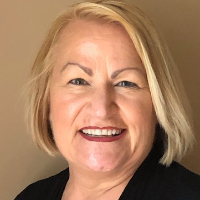
Gian Sarabia
LMFT
Calm, practical help for life and relationships
- Trauma and abuse
- Intimacy-related issues
- Bipolar
Clinical social work directory
249 therapists in this directory hold a licence issued in California and name existential therapy among their approaches. Sessions are online; a US therapist can usually only see people in a state where they hold a licence, so check the credentials panel on each profile.
Welcome if you are searching for online therapists in California. All therapists listed are licensed; explore profiles to review approaches, languages, and clinician backgrounds to find a good match.
LMFT
Calm, practical help for life and relationships
LMFT
Calm guidance through life’s painful transitions
MD, LCPC, LPCC
Existential-informed therapist focused on meaning
LMFT
Existential-minded therapist focused on life direction
LMFT
Calm, practical therapy for life and relationships
LCSW
Compassionate guide through grief and life change
LPCC
Experienced counselor blending meaning and practical change
LMFT
Experienced, empathetic marriage and family therapist
CA Psychologist
Calm-focused psychologist with practical tools
LMFT
Calm guidance for trauma and life change
LCSW
A steady listener who helps people find direction
LCSW
Compassionate, practical therapy for life transitions
CA Psychologist
Experienced psychologist focused on life changes
LCSW
Compassionate, practical therapy for life’s hard moments
LCSW
Guiding people toward clearer choices and calmer responses
LCSW
Compassionate practical therapy for life changes
LCSW
Compassionate, practical therapy for life stresses
CA Psychologist
Experienced psychologist guiding practical change
LMFT
Calm, practical therapy for life’s big stresses
LMFT
Experienced relational therapist focused on practical change
LMFT
Calm, experienced therapist for life transitions
LMFT
Compassionate therapist focused on meaning and relationships
LMFT
Practical, strengths-focused therapy for everyday problems
LMFT
Therapist who centers meaning and change
LMFT
Grounded, relational therapy for life transitions
LPCC, LMHC
A listening, strengths-based counselor
LMFT
Calm, relational therapy for life’s hard moments
LMFT
Existential-minded therapist focused on practical change
LMFT
Existential-informed therapist helping adults move forward
CA Psychologist
Californiabased psychologist focused on meaning and coping
LMFT
Reflective support for life transitions
LMFT
Insightful, direct therapy for real-life change
CA Psychologist
Calm, practical support for life’s hard changes
LMFT
Compassionate therapist focused on meaning and resilience
LMFT
Practical, meaning-focused therapy for life challenges
Some links on this page are partner links. We will earn a commission if you sign up through one, at no cost to you. It does not change what you pay or the order of the listings.
Online therapy in California has become a common way to access mental health and counseling services across urban, suburban, and rural communities. You can expect a range of session formats - video meetings, phone sessions, and messaging-based check-ins - depending on the clinician's stated preferences and the platform they use. Many clinicians maintain detailed profiles that describe their clinical focus, the populations they work with, the therapeutic approaches they use, and the languages in which they provide services. That information helps you narrow your search before you reach out.
Profiles on this directory indicate that listed clinicians hold a license. Licensure status is an important piece of information to review because licensing determines the professional board that oversees practice standards and discipline. In California you will commonly see licenses issued through the Board of Behavioral Sciences and the California Board of Psychology, among others. If you live in California and plan to work with an online therapist whose profile indicates a license in this state, you can then verify that information directly with the appropriate board to confirm the details of their credential.
Online therapy removes the need to travel to an office, which can be a strong advantage if you live in a community with fewer local clinicians or if you have a busy schedule. You can meet with someone from a different city or region of California without the commute, which may make it easier to keep regular appointments. For people balancing work, caregiving, school, or long commutes, the convenience of meeting from home or another appropriate location often makes it simpler to prioritize care.
Because clinicians in California describe their specialties and approaches in their profiles, you can find someone who aligns with your therapeutic preferences. Some therapists list cognitive behavioral therapy among their approaches, while others list psychodynamic, existential, mindfulness-based work, or trauma-informed practices. If you prefer sessions in a language other than English, many profiles indicate the languages clinicians speak, which can be helpful if you want to work in your native language or with a clinician familiar with particular cultural contexts.
Online clinicians frequently work with people managing stress related to work, relationships, family changes, and life transitions such as moving, career shifts, or becoming a parent. If you are experiencing anxiety, low mood, or difficulty with day-to-day functioning, many therapists describe experience helping clients develop coping strategies, emotion regulation skills, and practical problem-solving approaches. Therapists who list cognitive behavioral techniques among their approaches often emphasize skill-building, while other clinicians may focus on exploring meaning and values, patterns in relationships, or long-term personal growth.
Online therapy can also address relationship challenges, questions about identity, and the ongoing effects of past trauma. Some clinicians note work with couples or family dynamics, while others highlight support for identity exploration related to gender, sexuality, culture, or spirituality. For trauma, profiles often indicate clinicians who list trauma-informed approaches or who list specific trauma-related modalities among their approaches. When searching, look for language that describes familiarity with the kind of experience you want to address so you can find a clinician whose focus aligns with your needs.
To verify a clinician's license, first find the license number and the type of license on their profile. Many clinicians include their license number and state on their public profile. Use the California Board of Behavioral Sciences online license lookup to check licenses for clinical social workers, marriage and family therapists, and professional clinical counselors. For psychologists, the California Board of Psychology provides a searchable verification tool. Enter the clinician's name or license number to view current status, expiration date, and whether any disciplinary actions are recorded.
When you view a license record you will see the license type, issuance and expiration dates, and any public disciplinary actions or restrictions. If a profile lists a license from a state other than California, you can consult that state's licensing board. If you have questions about what appears in a record, the licensing board's website typically includes contact information so you can ask for clarification. Verifying a license gives you factual information about professional standing and can be an important step in deciding who you want to contact for care.
Begin by clarifying what you want from therapy. You might be looking for short-term help for a specific issue, longer-term support, or guidance through a life transition. Use the directory filters to identify clinicians who list relevant focus areas, therapeutic approaches, and language abilities. Read several profiles to get a sense of how clinicians describe their work and the populations they commonly serve. Note any questions you want to ask about approach, session format, session length, and fees so you have them ready when you contact a clinician.
When you reach out to a clinician, ask about the logistics that matter to you. Confirm the session format they offer - video, phone, or messaging - and what technical setup you will need to participate. Ask about session length and whether they accept payment methods or insurance you plan to use. Discuss how they structure early sessions and what a typical first meeting might address. If cultural competence, language match, or experience with a particular population is important to you, bring that up. You can also ask how they describe their therapeutic approach in practice and how they measure progress with clients.
Choosing a therapist is both practical and personal. It is normal to try more than one clinician before finding the right fit for your style and goals. Pay attention to how comfortable you feel during initial conversations and whether the clinician listens and responds in ways that resonate with you. Consider how the clinician describes collaboration, goal-setting, and feedback. If a clinician lists existential approaches among their methods, for example, you can expect an orientation that invites meaning-focused conversation; if they list behavioral approaches, you may encounter more structured skill-building. Use those descriptions to help anticipate whether a clinician's orientation matches your preferences.
Starting online therapy in California gives you access to a wide range of clinicians and approaches. By checking licensure, reading profiles carefully, and preparing thoughtful questions, you can make an informed choice about who to contact. Take your time, set clear goals for what you want from therapy, and look for a clinician whose style and experience align with the support you seek.