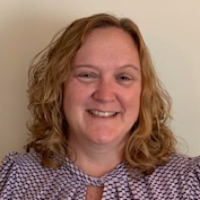
Renee DeVuyst, LMHC
New York · 18 years in practice
Renee DeVuyst is a licensed mental health counselor in New York who centers therapy on the person in front of her.
License and registration
- LMHC, New York
- 000640-01 · expires April 2026
- NPI
- 1144642786 · national provider identifier
- Years in practice
- 18
- Languages
- English
Details are as listed on the therapist's public professional profile. You can check the license with the issuing state board, and the NPI with the national registry.
About Renee
Renee DeVuyst is a licensed mental health counselor in New York who centers therapy on the person in front of her. She uses a warm, direct style that values honesty and empathy. She aims to help people understand what matters to them and make practical changes in day-to-day life.
She draws on 18 years of experience with stress, anxiety, depression, trauma, substance use, and relationship struggles. Renee also supports people facing grief, parenting strain, work burnout, and issues related to sexual or domestic violence.
Background and approach
She has worked with people who struggle with process addictions and compulsive behaviors as well. Her approach is integrative and person-centered. That means she listens first, offers genuine feedback, and helps clients notice where actions and values do not match.
Cognitive Behavioral Therapy tools are added when they help with skill building and problem solving. Motivational interviewing and solution-focused techniques are used to set realistic goals and maintain momentum. Renee aims to be engaged and interactive during sessions.
She validates emotions and also points out patterns that may be holding someone back. Sessions tend to focus on small, achievable steps and clearer thinking about choices. She holds a master’s degree in Counselor Education from SUNY Brockport and a New York Licensed Mental Health Counselor credential.
Renee meets people through video calls, phone sessions, live chat, and text-based messaging to fit different schedules and needs.
Focus areas and approaches
Everything Renee lists on their public professional profile, in their own terms.
- Stress, Anxiety
- Addictions
- Self esteem
- Depression
- Coping with life changes
- LGBT
- Relationship issues
- Family conflicts
- Trauma and abuse
- Grief
- Intimacy-related issues
- Eating disorders
- Sleeping disorders
- Parenting issues
- Anger management
- Career difficulties
- Bipolar disorder
- Coaching
- Compassion fatigue
- ADHD
- Aging and geriatric issues
- Caregiver issues and stress
- Co-morbidity
- Codependency
- Communication problems
- Domestic violence
- Drug and alcohol addiction
- Family problems
- Isolation / loneliness
- Life purpose
- Midlife crisis
- Post-traumatic stress
- Process addiction (porn, exercise, gambling)
- Self-love
- Sex addiction
Approaches Renee names
- Existential Therapy
- Client-Centered Therapy
- Cognitive Behavioral Therapy (CBT)
- Motivational Interviewing
- Solution-Focused Therapy
Naming an approach is not evidence of training in it. This directory copies what each therapist lists and does not check training records.
Online support
Approach-driven care delivered online
Renee commonly uses Client-Centered methods, Existential ideas, and Cognitive Behavioral techniques in online work. Client-Centered Therapy focuses on listening with empathy and meeting people where they are, making it useful for building trust and clarity. Existential Therapy helps people look at meaning, choice, and responsibility, which can be helpful when someone faces major life changes or questions about purpose. Cognitive Behavioral Therapy (CBT) offers concrete tools to change unhelpful thoughts and behaviors and is often used for anxiety, depression, and coping skills.Choosing the right approach is part of the process. She works collaboratively with each person to decide which methods best match their goals, needs, and preferences. Together they set clear, realistic aims and adjust strategies as progress is made.
Online formats include video calls, phone sessions, live chat, and text-based messaging. Video is good for face-to-face conversation and visual cues. Phone sessions can fit a shorter time window or lower bandwidth. Live chat and text messaging allow quick check-ins, brief coaching, or continued support between sessions. These options make it easier to schedule therapy around work, caregiving, or travel while keeping the focus on meaningful change.
We will earn a commission if you sign up through our link, at no cost to you. It does not change what you pay or the order of the listings.
Questions people ask
What kinds of concerns does she address?
She helps with stress, anxiety, depression, trauma, substance use, grief, relationship and intimacy issues, parenting strain, process addictions, and related concerns.
How would you describe her therapy style?
Her style is person-centered and engaged. She listens closely, offers honest feedback, and blends practical techniques like CBT and solution-focused work when useful.
What is her professional background?
She has 18 years of clinical experience and has worked with a range of mental health and addiction concerns across diverse settings.
What credentials and location are listed?
She holds a New York Licensed Mental Health Counselor credential (LMHC) and practices from New York.
Which languages are sessions offered in?
Sessions are offered in English.
Can international clients work with her?
International clients are not currently accepted.
What session formats are available?
Sessions can be held by video calls, phone sessions, live chat, or text-based messaging to fit different needs and schedules.
How does the cost and getting started process work?
Cost varies by location and therapist availability; sessions use a subscription that can be canceled at any time. To begin, select the Start Therapy button, complete a short matching questionnaire, and schedule according to therapist availability.
More therapists in New York
See allJohn Shafer
LCSW
Experienced existential therapist with practical tools
- Stress, Anxiety
- Relationship
- Family

Rita Simmonds
LMHC
Practical, meaning-focused support for life shifts
- Stress, Anxiety
- Trauma and abuse
- Grief

Prof. Michael Feldler
LMHC
Experienced counselor blending values and skills
- Stress, Anxiety
- Addictions
- Relationship

Dr. Sung Ho Kim
NY Psychoanalyst
Calm guidance for meaning and coping
- Stress, Anxiety
- Relationship
- Trauma and abuse
Is this your profile?
Ask us to correct details or take the page down.
Contact us