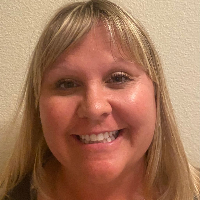
Cory Schortzman
LPC, LIMHP
Restoring connection and personal direction
- Stress, Anxiety
- Addictions
- Relationship
Clinical social work directory
90 therapists in this directory hold a licence issued in Colorado and name existential therapy among their approaches. Sessions are online; a US therapist can usually only see people in a state where they hold a licence, so check the credentials panel on each profile.
Welcome to our Colorado online therapist listings. All therapists shown here are licensed in Colorado - explore profiles to learn about approaches, languages, and areas of focus.
Use the listings below to review clinician backgrounds and approaches so you can find a therapist who fits your needs and preferences.
LPC, LIMHP
Restoring connection and personal direction
LPC
Direct, practical counseling focused on change
LPC
Calm, practical therapy focused on meaning and resilience
CO Psychologist
Compassionate psychologist for life’s hard moments
LCSW, CSW
Practical support for stress, meaning, and change
LPC
Compassionate counselor focusing on meaning and coping
LPC, LCPC
Compassionate, practical counseling for life changes
LPC, LCPC
Existential-informed counselor with practical focus
LCSW, CSW
Therapist grounded in social work and practical care
LCSW
Compassionate, practical therapy for life transitions
LPC
Practical, relationship-focused counseling in Colorado
LPC
Therapist focused on meaningful choices
LCSW, CSW
Supportive therapist for anxiety and life transitions
LPC
Practical, meaning-focused counseling in Colorado
LPC
Existential-minded counselor with practical focus
LPC
Guiding people toward clearer values and practical change
LMFT
Experienced, reflective therapy for life and relationships
LPC
Compassionate counselor for life transitions and stress relief
LCSW, CSW
Experienced, practical social worker focused on life changes
LPC
Meaning-focused counselor for life transitions
LPC
Compassionate counselor focused on meaning and coping
LPC
Empathetic, practical counseling for life changes
LMFT
Practical, direct therapy with compassionate care
LPC
Compassionate counselor focused on meaning and connection
LPC
Existential-informed therapist with practical skills
LPC
Compassionate counselor guiding practical change
LCSW, CSW
Therapist who focuses on meaning and connection
LPC
Therapist focused on meaning and practical change
LMFT
Therapist focused on meaning and practical change
LPC
Existential-focused counselor who prioritizes values
LPC
Experienced counselor guiding meaning and change
LPC
Existential-informed counselor focused on practical change
LPC
Thoughtful counselor blending meaning and practical tools
LPC
Helping people find meaning and practical change
LPC
Compassionate counselor guiding practical change
LPC
Therapist who combines clarity with practical support
LMFT
Existential-informed therapist focused on meaning and change
LCSW, CSW
Calm, steady therapy for life transitions
LPC
Therapy that reconnects meaning and feeling
LPC
Compassionate, practical therapy for life transitions
LPC, LPCC
Calm listener helping people find direction
Some links on this page are partner links. We will earn a commission if you sign up through one, at no cost to you. It does not change what you pay or the order of the listings.
Online therapy in Colorado has become a common way for people to access mental health support across cities, suburbs, and mountain communities. Many licensed clinicians offer sessions by video or phone so you can meet with a therapist from your home, office, or while traveling within the state. Profiles on this site show the areas clinicians emphasize, the approaches they list, and the languages they speak so you can get an initial sense of fit before you reach out.
It is important to understand that professional practice is regulated by state licensing. A therapist is required to be licensed in the state where you are physically located during a session. That means if you live in Colorado or are temporarily in Colorado, you should choose someone licensed in Colorado. Profiles here indicate that listed clinicians hold Colorado licenses. When a therapist lists a particular modality among their approaches, that listing reflects what they describe in their profile and is not the same as saying they have a specific certification.
One clear benefit of online therapy is improved access if you live in a rural or mountain area where in-person options are limited. You can connect with someone who works with your age group, cultural background, or specific concern without driving long distances. For people who move seasonally within the state or manage work and family commitments, the flexibility of remote sessions can make consistent care easier to maintain.
Online sessions let you choose the setting where you feel most comfortable for therapy - whether that is a quiet corner of your home or another controlled environment. That comfort can help you engage in meaningful conversations about relationships, anxiety, grief, or life transitions. Remote therapy can also provide continuity when life events make it harder to attend in-person appointments, so you can keep momentum while navigating changes.
Therapists you find through Colorado listings often work with anxiety, depression, and stress related to work, family, or school. Many therapists who list cognitive behavioral therapy among their approaches discuss techniques for managing thoughts and behaviors that contribute to distress. Others emphasize mindfulness, interpersonal work, or existential approaches that focus on meaning and values. When reviewing profiles, you will see mentions of different approaches rather than formal statements about certification.
Clinicians often describe experience supporting people through relationship challenges, grief after loss, and significant life transitions like career change or relocation. Some therapists list trauma-focused approaches among their methods, and others note interest in couples work or family dynamics. If a particular modality is important to you, look for language in profiles such as "therapists who list EMDR among their approaches" or similar phrasing so you know how a clinician describes their orientation.
Before you rely on a clinician for care, collect their full name and the license designation shown on their profile - for example, licensed professional counselor or licensed clinical social worker. Some profiles include a license number. If no number is listed, you can still verify status with a name search. Keep in mind that the title shown on a profile is a starting point; the state database is the authoritative source for current licensure status.
Colorado maintains an online license lookup where you can confirm that a therapist is licensed and see whether any disciplinary actions are recorded. When you search, check the status to confirm the license is active and view the license type and issue date. Review any public records or board notes linked to the profile. If you have questions about what you see, the state board or division that handles mental health licenses can offer clarification about licensure categories and complaint procedures.
Start by scanning profiles for the kinds of experience and approaches that resonate with you. Look at descriptions of specialties, languages spoken, and the therapeutic orientations clinicians list. Reach out to a few clinicians by phone or message to ask brief questions about their approach, session length, and typical ways of working. You can ask for a license number if it is not listed so you can verify it with the state. Decide what matters most to you - such as an emphasis on work with anxiety, experience with grief, or someone who mentions existential or meaning-focused work - and prioritize those factors.
When you first meet with a therapist, notice how they explain their approach and whether their style feels compatible with how you prefer to work. It is reasonable to ask how they describe their work with issues similar to yours and what a typical session looks like. Think about logistics too - session length, fees, and how they handle cancellations or rescheduling. If you use insurance, ask whether the clinician can provide the necessary paperwork for reimbursement or out-of-network claims. Also arrange a reliable way to contact local crisis resources if you ever need immediate help while you are in Colorado, because online care is not a substitute for emergency services.
There are some signs that warrant caution. Be mindful if a clinician will not provide a license number or discuss their general approach. Promises of guaranteed outcomes or pressure to commit long term before you have a chance to evaluate fit are also warning signs. On the other hand, a thoughtful explanation of methods, clear answers about fees and logistics, and willingness to describe how they handle crises can help you build trust. Remember that rapport matters - it is normal to try a few clinicians before you find someone whose style and focus suit you.
Choosing an online therapist in Colorado involves both practical verification and personal judgment. By using state resources to confirm licensure, reading profiles carefully, and asking clear questions up front, you can find a clinician whose approach and background align with your needs. Taking the first step can feel daunting, but many people find that a well-chosen online therapist offers a flexible and effective way to work on emotional concerns, relationships, and life changes while staying within the rhythms of everyday life in Colorado.