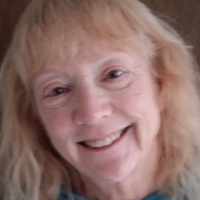
Karensa Lewis, LCSW, CSW
Colorado · 30 years in practice
Karensa Lewis is a licensed clinical social worker who centers her work on helping people make meaning in hard moments.
License and registration
- LCSW, Colorado
- CSW.00991989 · expires August 2027
- NPI
- 1407907934 · national provider identifier
- Years in practice
- 30
- Languages
- English
Details are as listed on the therapist's public professional profile. You can check the license with the issuing state board, and the NPI with the national registry.
About Karensa
Karensa Lewis is a licensed clinical social worker who centers her work on helping people make meaning in hard moments. She draws on existential ideas to look at choices, values, and what matters most. Karensa offers a direct, warm presence and encourages honest conversation about life changes and painful events.
She brings 30 years of clinical experience across settings. That includes inpatient and outpatient psychiatric clinics, residential care, hospice work with end-of-life grief, and human services supporting foster and adoptive parents.
Background and approach
Much of her recent practice has focused on everyday relationship struggles, depression, trauma recovery, and coping with loss. Karensa uses a blend of approaches to match a person’s needs. She works with attachment-based ideas to look at connection and patterns, client-centered methods to follow the person’s pace, and cognitive-behavioral techniques to address unhelpful thinking and behavior.
Sessions are conversational and tailored based on what the client finds useful. Common concerns she addresses include relationship and intimacy issues, parenting and blended family questions, grief and bereavement, anxiety and stress, work and career stress, ADHD, bipolar concerns, and caregiving strain. She also helps with adoption and foster care issues, abandonment, forgiveness, and communication problems.
Karensa trained at the State University of New York and the University of Houston and completed a fellowship in individual counseling at Baylor College of Medicine. She holds the credential Licensed Clinical Social Worker - LCSW and CSW and practices from Colorado. Sessions are offered in English and available through a mix of online formats.
Focus areas and approaches
Everything Karensa lists on their public professional profile, in their own terms.
- Relationship issues
- Family conflicts
- Trauma and abuse
- Grief
- Depression
- Stress, Anxiety
- Intimacy-related issues
- Parenting issues
- Anger management
- Self esteem
- Career difficulties
- Bipolar disorder
- Coping with life changes
- Compassion fatigue
- ADHD
- Abandonment
- Adoption and foster care
- Aging and geriatric issues
- Attachment issues
- Blended family issues
- Caregiver issues and stress
- Codependency
- Commitment issues
- Communication problems
- Divorce and separation
- Family of origin issues
- Family problems
- Fatherhood issues
- Fertility issues
- Forgiveness
- Guilt and shame
- Hospice and end-of-life counseling
- Isolation / loneliness
- Life purpose
- Midlife crisis
- Veteran and Armed Forces Issues
- Mood disorders
- Postpartum depression
- Post-traumatic stress
- Pregnancy and childbirth
- Prejudice and discrimination
- Seasonal Affective Disorder (SAD)
- Sexual assault and abuse
- Women's issues
- Workplace issues
- Young adult issues
Approaches Karensa names
- Existential Therapy
- Attachment-Based Therapy
- Client-Centered Therapy
- Cognitive Behavioral Therapy (CBT)
- Emotionally-Focused Therapy (EFT)
- Motivational Interviewing
- Psychodynamic Therapy
- Solution-Focused Therapy
- Trauma-Focused Therapy
Naming an approach is not evidence of training in it. This directory copies what each therapist lists and does not check training records.
Online support
Therapeutic approaches and how they work online
Karensa blends existential thinking with attachment-based and client-centered methods to guide online work. Existential Therapy helps people look at their values, choices, and the big questions that come up during life changes; it can be useful for grief, career shifts, and questions about meaning. Attachment-Based Therapy focuses on patterns of connection and closeness from early relationships and helps people change how they relate to others. Client-Centered Therapy puts the person's experience first, with listening and reflection that shape the pace and goals of therapy.Choosing the right approach is a collaborative process. The therapist will discuss what matters to the client, try methods that fit their goals, and adjust based on what feels most helpful. That means sessions can include reflective conversation, practical exercises, or homework depending on needs.
Online formats include video calls, phone sessions, live chat, and text-based messaging. Video works well for deeper conversations where seeing expressions matters. Phone calls are a good fit when bandwidth is limited or when a person prefers not to be on camera. Live chat and text messaging can support quick check-ins, brief processing between sessions, or people who find typing easier than speaking. These options make it easier to fit therapy into work, caregiving, or busy schedules while keeping the therapeutic focus on progress and practical change.
We will earn a commission if you sign up through our link, at no cost to you. It does not change what you pay or the order of the listings.
Questions people ask
What concerns does Karensa commonly address?
She works with relationship and intimacy issues, parenting and blended family challenges, trauma and abuse, grief and depression, anxiety and stress, ADHD and bipolar concerns, caregiving strain, and related topics like abandonment, forgiveness, and communication problems.
How would you describe her therapy style?
Her style is interactive and straightforward. She combines existential reflection with client-centered listening and cognitive-behavioral techniques to help people make choices and change patterns.
What is her clinical background?
She has 30 years of experience across inpatient and outpatient psychiatric settings, residential programs, hospice care, human services with foster and adoptive parents, and long-term independent practice.
Where is she licensed and located?
She practices in Colorado and holds the credentials LCSW and CSW, with a master’s degree in social work from the University of Houston and a fellowship from Baylor College of Medicine.
Which languages are supported for sessions?
Sessions are offered in English.
Can sessions be held online or by phone?
Yes. Session formats include video calls, phone sessions, live chat, and text-based messaging to suit different schedules and preferences.
How is cost handled for sessions?
Cost varies with location and therapist availability; sessions use a subscription model that can be canceled at any time.
What are the first steps to begin therapy?
Start by selecting the Start Therapy button, complete the short matching questionnaire, and then schedule sessions according to the therapist’s availability.
More therapists in Colorado
See allCory Schortzman
LPC, LIMHP
Restoring connection and personal direction
- Stress, Anxiety
- Addictions
- Relationship
Linda Seibert
LPC
Direct, practical counseling focused on change
- Stress, Anxiety
- Relationship
- Intimacy-related issues

Benjamin Wayburn
LPC
Calm, practical therapy focused on meaning and resilience
- Stress, Anxiety
- Trauma and abuse
- Grief
Dr. Farah Ibrahim
CO Psychologist
Compassionate psychologist for life’s hard moments
- Stress, Anxiety
- Relationship
- Family
Is this your profile?
Ask us to correct details or take the page down.
Contact us