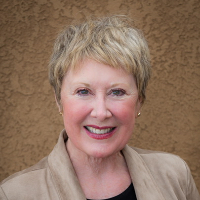
Dr. Christine Wilcox, LCSW, LISW
Colorado · 27 years in practice
Dr. Christine Wilcox blends an existential outlook with practical strategies to help people navigate life transitions and emotional strain.
License and registration
- LCSW, Colorado
- 992139 · expires August 2027
- LCSW, Indiana
- 34007745A · expires April 2026
- LISW, Ohio
- I.2002524 · expires August 2026
- NPI
- 1003028481 · national provider identifier
- Years in practice
- 27
- Languages
- English
Details are as listed on the therapist's public professional profile. You can check the license with the issuing state board, and the NPI with the national registry.
About Christine
Dr. Christine Wilcox blends an existential outlook with practical strategies to help people navigate life transitions and emotional strain. She is Dr.
Christine Wilcox, LCSW, LISW, and brings 27 years of clinical experience to work with adults on concerns such as anxiety, depression, grief, relationship and intimacy issues, and coping with change. She focuses on clear, actionable steps in sessions. That can mean learning skills to manage anxiety, rethinking unhelpful thoughts, or practicing new ways to communicate.
Background and approach
She often uses cognitive-behavioral tools and acceptance-based ideas to make change feel doable. Her background includes long experience in a range of settings, from hospitals and inpatient programs to hospice and community services. She has worked in school settings and long-term care environments, which inform a broad view of how stress and life events affect daily functioning.
Dr. Wilcox emphasizes self-care and practical routines for mental and physical wellbeing. She discusses exercise, sleep, nutrition, and mindfulness as parts of a larger plan when relevant.
Sessions aim to balance emotional understanding with steps clients can try between meetings. People who choose her often want a therapist who combines thoughtful reflection with concrete change strategies. Her approach is collaborative and steady, helping clients set boundaries, try new behaviors, and make sense of difficult feelings over time.
Focus areas and approaches
Everything Christine lists on their public professional profile, in their own terms.
- Stress, Anxiety
- Relationship issues
- Trauma and abuse
- Grief
- Depression
- Addictions
- LGBT
- Family conflicts
- Intimacy-related issues
- Eating disorders
- Sleeping disorders
- Parenting issues
- Anger management
- Self esteem
- Career difficulties
- Bipolar disorder
- Coping with life changes
- Coaching
- Compassion fatigue
- ADHD
- Abandonment
- Aging and geriatric issues
- Attachment issues
- Blended family issues
- Body image
- Caregiver issues and stress
- Codependency
- Commitment issues
- Communication problems
- Control issues
- Coping with natural or human-caused disaster
- Dependent personality
- Disruptive Mood Dysregulation Disorder (DMDD)
- Divorce and separation
- Eating and food-related issues
- Emptiness
- Family of origin issues
- Family problems
- Forgiveness
- Guilt and shame
- Hospice and end-of-life counseling
- Impulsivity
- Infidelity
- Isolation / loneliness
- Jealousy
- Life purpose
- Midlife crisis
- Money and financial issues
- Mood disorders
- Obsessions, compulsions, and OCD
- Panic disorder and panic attacks
- Post-traumatic stress
- Seasonal Affective Disorder (SAD)
- Self-love
- Sexual assault and abuse
- Social anxiety and phobia
- Somatization
- Women's issues
- Workplace issues
- Young adult issues
Approaches Christine names
- Existential Therapy
- Acceptance and Commitment Therapy (ACT)
- Attachment-Based Therapy
- Client-Centered Therapy
- Cognitive Behavioral Therapy (CBT)
- Dialectical Behavior Therapy (DBT)
- Emotionally-Focused Therapy (EFT)
- Jungian Therapy
- Mindfulness Therapy
- Narrative Therapy
- Solution-Focused Therapy
- Trauma-Focused Therapy
- Internal Family Systems
Naming an approach is not evidence of training in it. This directory copies what each therapist lists and does not check training records.
Online support
Therapeutic approaches you can use online
Existential therapy helps people face big life questions and find personal meaning when roles or relationships change. It focuses on how values, choices, and the experience of being alive shape present struggles and decisions, which can help with grief, life transitions, and questions about identity.Acceptance and Commitment Therapy (ACT) teaches how to accept difficult thoughts and feelings while committing to actions that match personal values. It is often used for anxiety, depression, and coping with chronic stress by helping people notice what matters and take small steps toward those goals.
Attachment-Based Therapy looks at how early relationships affect current patterns in close connections. It can help people understand attachment-related concerns, communication problems, codependency, and intimacy issues by improving awareness and new ways of relating.
Finding the right approach is part of the work. The therapist will collaborate with each person to choose methods that match their needs, goals, and preferences. That may mean combining existential reflection with ACT exercises or using attachment ideas alongside cognitive-behavioral skill-building.
Online sessions are offered as video calls, phone sessions, live chat, or text-based messaging to suit different schedules and needs. Video sessions allow face-to-face conversation, phone sessions can fit into a break with less bandwidth, and messaging supports shorter check-ins or ongoing coaching between meetings. These options make it easier to keep consistent care while juggling work, family, and travel.
We will earn a commission if you sign up through our link, at no cost to you. It does not change what you pay or the order of the listings.
Questions people ask
What concerns does she help people with?
Dr. Wilcox works with a wide range of concerns including stress, anxiety, depression, grief, trauma and abuse, addictions, relationship and intimacy issues, eating and sleeping problems, parenting stress, and coping with life changes.
What is her therapeutic style like?
Her work combines an existential perspective with practical methods. Sessions balance reflective conversation with concrete tools from approaches such as cognitive-behavioral and acceptance-based therapies.
How much experience does she have?
She brings 27 years of experience in clinical practice, including work in hospitals, inpatient programs, hospice, long-term care, schools, and community settings.
What are her credentials and where is she based?
She holds LCSW and LISW credentials, with licensure noted in Colorado and Ohio, and practices from Colorado.
Which languages are supported for sessions?
Sessions are offered in English.
Can people outside the United States work with her?
International clients are not currently accepted; services are provided to clients within applicable regions for her licensure.
What formats are available for sessions?
She provides video calls, phone sessions, live chat, and text-based messaging as session formats to fit different scheduling and communication needs.
How does payment and starting therapy work?
Cost varies with location and therapist availability; sessions use a subscription that can be canceled at any time. To begin, select the Start Therapy button, complete a short matching questionnaire, and schedule based on availability.
More therapists in Colorado
See allCory Schortzman
LPC, LIMHP
Restoring connection and personal direction
- Stress, Anxiety
- Addictions
- Relationship

Linda Seibert
LPC
Direct, practical counseling focused on change
- Stress, Anxiety
- Relationship
- Intimacy-related issues

Benjamin Wayburn
LPC
Calm, practical therapy focused on meaning and resilience
- Stress, Anxiety
- Trauma and abuse
- Grief
Dr. Farah Ibrahim
CO Psychologist
Compassionate psychologist for life’s hard moments
- Stress, Anxiety
- Relationship
- Family

Is this your profile?
Ask us to correct details or take the page down.
Contact us