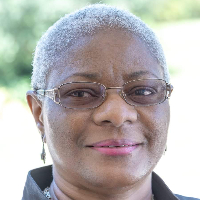
Mary Shiels
BACP
Compassionate existential counsellor with practical focus
- Stress, Anxiety
- LGBT
- Trauma and abuse
Clinical social work directory
1,651 therapists list body image among the things they work with. All offer sessions online, and every profile shows the registering body, the membership number and when it runs to.
This page lists therapists who identify body image as a focus area. Explore practitioner profiles to learn about their focus areas, approaches, credentials, languages, and experience.
Browse the listings below to find clinicians whose work aligns with the concerns you want to address and begin learning about what therapy can offer.
BACP
Compassionate existential counsellor with practical focus
LICSW
Practical, values-driven therapy with compassion
ACA
Experienced counsellor helping with life changes
LPC
Practical, values-focused counseling in Texas
ACA, PACFA
Supportive counsellor for stress and trauma
BACP
Existential-informed counsellor with practical tools
BACP
Practical, down-to-earth counselling for life changes
BACP
Compassionate counsellor for life transitions
AASW
Calm, direct support for family and trauma concerns
BACP
Experienced person-centred counsellor focused on meaning and change
LPC
Practical, values-focused therapy for everyday life
LPC
Practical, collaborative counseling for life changes
BACP
Compassionate counsellor for life challenges
BACP
Existential-informed counsellor focused on everyday challenges
BACP
Practical therapy that addresses meaning and coping
NCPS
Compassionate integrative counselling for life's hard moments
BACP
Existentially minded counsellor focused on meaning
BACP, NCPS
Humanistic counsellor focusing on meaning and connection
LPC
Helping people find purpose and practical coping tools
LCPC
Compassionate guide for relationship and identity work
LPC
Experienced counselor focusing on practical change and meaning
LMHC
Existential-informed therapist focused on meaning
BACP
Compassionate counsellor for real-life challenges
LISW
Calm, practical support for life's hard moments
NCPS
Helping people find meaning and practical coping strategies
BACP
Existential and person-centred counsellor
BACP
Empathic counsellor helping people find meaning and coping skills
BACP
Quiet, reflective counselling for life changes
ACA
Practical, collaborative therapy for life changes
LPC
Practical support for stress, trauma, and life changes
BACP
Supportive integrative counsellor for life changes
BACP
Practical counselling with reflective depth
BACP
An approachable counsellor for everyday struggles
BACP
Practical support for meaning, stress and relationships
BACP, NCPS
Helping people move past what holds them back
LCSW
Practical support for life's difficult moments
CO Psychologist
Compassionate psychologist for life’s hard moments
BACP
Warm, practical counselling that focuses on meaning
NCPS
Calm, practical therapy for everyday struggles
BACP
Calm, practical support for life challenges
Some links on this page are partner links. We will earn a commission if you sign up through one, at no cost to you. It does not change what you pay or the order of the listings.
Body image refers to the feelings, thoughts, and beliefs you hold about your physical appearance. It includes both how you perceive your body and how you feel it fits within social expectations. For many people, body image is shaped by cultural messages, family dynamics, personal experiences, and moments of shame or praise. These influences can be subtle or powerful, and they often operate alongside other aspects of identity like gender, race, age, ability, and sexuality. Because body image has so many contributors, it can influence day-to-day choices, relationships, and your sense of self-worth.
When body image is a persistent concern it can shape how you move through the world. You might find yourself avoiding certain activities, spending a lot of time checking or comparing, or feeling drained by efforts to manage your appearance. For some people these patterns are intermittent and manageable, while for others they become entrenched and create ongoing distress. Therapy can offer a place to explore where these beliefs came from, how they interact with other parts of your life, and practical ways to reduce their power over your choices and mood.
You may consider seeking therapy if negative body thoughts occupy a large portion of your mental space or if those thoughts drive behaviors that undermine your well-being. You might notice heightened anxiety around eating, exercise, or dressing, or recurrent attempts to control your body in ways that feel rigid or punitive. Relationship strain is common when body concerns lead you to avoid intimacy, withdraw from friends, or become defensive about perceived judgments. Another signal is when efforts to change your body become the primary way you cope with stress, rather than a temporary strategy.
Emotional signals can also point to the need for professional support. Persistent shame, self-criticism, low mood, or a sense that your value depends on appearance are important to acknowledge. You might also see changes in daily functioning - trouble concentrating at work or school, disrupted sleep, or avoidance of social invitations. Therapy can help you examine these patterns, identify triggers, and build tools to shift toward a more livable relationship with your body and self-image.
When you begin work on body image in therapy, the first sessions are often about building rapport and clarifying goals. Your therapist will likely ask about your history with body-related concerns, key events that feel relevant, and what you hope to change. This conversation helps both of you create a practical plan that fits your pace and preferences. Sessions afterward can include a mixture of exploration and skill-building: exploring the beliefs that underpin negative body image, learning new ways to respond to difficult feelings, and practicing experiments in real life to test unhelpful assumptions.
Therapy may involve work on self-talk, exposure to feared situations, and exercises to reconnect with bodily sensations in nonjudgmental ways. You may practice tolerating discomfort rather than trying to eliminate it immediately, and you may learn strategies to reduce checking, comparing, or other behaviors that keep body concerns active. Progress is often gradual. Some people find relief within a few months, while others pursue longer-term work to address layers of experience and meaning. Your therapist should help you track change and adapt the approach when something is not working.
Practitioners draw on a range of therapeutic approaches to address body image, and many blend elements that feel most useful for a given client. Cognitive-behavioral approaches focus on identifying and changing the thoughts and behaviors that maintain negative body image. Acceptance-based methods emphasize learning to live with uncomfortable emotions while pursuing valued activities. Dialectical strategies can be helpful when emotions feel overwhelming, providing skills for tolerance and regulation. Psychodynamic and narrative approaches invite you to explore how your life story, relationships, and cultural messages shaped your self-view.
There are also therapies that attend to bodily experience more directly. Some therapists describe somatic or body-informed methods among their approaches, which aim to reconnect you with bodily signals in a gentle, present-centered way. Trauma-focused methods may be listed by clinicians who work with past events that have affected body experience; if trauma is part of your history you may encounter therapists who list EMDR among their approaches, framed as one option among others. It is important to remember that when a therapist lists an approach it indicates an area they use in practice rather than a certification statement. Discussing how a particular method would be applied in your case can help you decide what fits your needs.
Online therapy lets you access clinicians who work with body image without the need to travel. Sessions are typically conducted through video or audio calls, which can make it easier to meet with someone who shares your values, language, or cultural understanding. Many therapists adapt in-session exercises for the video format - for example, guiding mindfulness practices, doing cognitive restructuring work together, or planning brief behavioral experiments you can try between sessions. Some clinicians also use text-based messaging for brief check-ins, homework feedback, or to share resources between appointments.
Because body image often intersects with real-world activities like eating, exercising, or social events, online therapy can still support practical, in-situation work. You and your therapist can plan exposures and skills practice that you carry out in your daily life, then return to the session to process what happened. If you prefer in-person work for certain interventions, you can seek providers who offer office-based sessions; other people appreciate the convenience and flexibility of remote appointments. Consider how therapy format, session length, and frequency will fit your routine when thinking about the best match.
Choosing a therapist is a personal process and you can approach it like a series of small experiments. Start by noting what matters most to you - whether you want someone who emphasizes skills and structure, someone who explores deeper relational patterns, or someone who integrates attention to bodily experience. Read profiles to see which clinicians list body image among their specialties and which approaches they mention. If a therapist lists CBT, acceptance and commitment, narrative work, EMDR, or somatic methods among their approaches, that tells you about the tools they might use, but it does not serve as a guarantee. You can ask prospective therapists how they typically apply those approaches to body image concerns.
Other practical factors can influence fit. Look for clinicians who mention experience with populations or identities like yours, who offer language options you prefer, and who describe their counseling philosophy in a way that resonates. Consider session structure - some therapists use homework and measurable goals, while others favor open exploration. Pay attention to whether a therapist emphasizes collaboration, consent, and pacing you can tolerate. It is reasonable to reach out with a brief question about their approach and to use an initial conversation to assess rapport. A good fit is often determined by how comfortable you feel naming a concern and how the therapist responds - with attention, clarity, and a plan that aligns with your aims.
Body image work can feel vulnerable and deeply personal. Therapy is one place where you can learn to carry your body experience with less judgment and more agency. Taking deliberate steps to identify the kind of support you want, learning about methods you might encounter, and prioritizing a clinician whose approach and communication style suit you will help make that work more effective and sustainable.