Clinical social work directory
Therapists who work with Hospice and End-of-Life Counseling
1,057 therapists list hospice and end-of-life counseling among the things they work with. All offer sessions online, and every profile shows the registering body, the membership number and when it runs to.
This page lists therapists who focus on hospice and end-of-life counseling, with details on their approaches, focus areas, credentials and languages. Browse the listings below to explore profiles and find clinicians who may match your needs.

Lisa Papas
ACA
Experienced counsellor helping with life changes
- Stress, Anxiety
- Trauma and abuse
- Grief

Linda Seibert
LPC
Direct, practical counseling focused on change
- Stress, Anxiety
- Relationship
- Intimacy-related issues

Sally Henderson
ACA, PACFA
Supportive counsellor for stress and trauma
- Stress, Anxiety
- Addictions
- Relationship

Tatyana Sibthorpe
BACP
Existential-informed counsellor with practical tools
- Addictions
- Relationship
- Trauma and abuse

Michael James
BACP
Experienced person-centred counsellor focused on meaning and change
- Stress, Anxiety
- Relationship
- Trauma and abuse

Kevin Rogers
LPC
Practical, values-focused therapy for everyday life
- Stress, Anxiety
- Anger
- Self esteem


Colette Moran
BACP
Practical therapy that addresses meaning and coping
- Stress, Anxiety
- Anger
- Self esteem

Chris Rottcher
NCPS
Compassionate integrative counselling for life's hard moments
- Stress, Anxiety
- Relationship
- Trauma and abuse

Foluso Orebiyi
BACP
Existentially minded counsellor focused on meaning
- Stress, Anxiety
- Family
- Trauma and abuse

Dr. Tanya Harrell
LPC
Helping people find purpose and practical coping tools
- Stress, Anxiety
- Family
- Trauma and abuse

Shelia Cisco
LCPC
Compassionate guide for relationship and identity work
- Relationship
- Trauma and abuse
- Intimacy-related issues


Catherine Kearns
BACP
Compassionate counsellor for real-life challenges
- Stress, Anxiety
- Addictions
- Relationship


Marzena Uphill
BACP
Empathic counsellor helping people find meaning and coping skills
- Stress, Anxiety
- Trauma and abuse
- Grief

Sabina Jugurnauth
ACA
Practical, collaborative therapy for life changes
- Stress, Anxiety
- Relationship
- Grief

Andrew Henderson
NCPS
Practical support for life’s harder moments
- Stress, Anxiety
- Family
- Trauma and abuse

Alexander Szendrei
BACP
Supportive integrative counsellor for life changes
- Stress, Anxiety
- Relationship
- Grief

Peter Bramhill
BACP
An approachable counsellor for everyday struggles
- Stress, Anxiety
- Family
- Trauma and abuse

Tracy Campbell
NCPS
A listening-led counsellor focused on practical change
- Stress, Anxiety
- Family
- Trauma and abuse

Daffney Tchassem
LCSW
Practical support for life's difficult moments
- Stress, Anxiety
- Relationship
- Family


Dr. Farah Ibrahim
CO Psychologist
Compassionate psychologist for life’s hard moments
- Stress, Anxiety
- Relationship
- Family

Jennifer Mcpherson (Norman)
BACP
Experienced counsellor for relationship and life challenges
- Relationship
- Family
- Trauma and abuse


Frederick Roberts
BACP
Supportive counsellor for adults and young adults
- Stress, Anxiety
- LGBT
- Relationship


Josephine Sultana
AASW
Existential-informed social worker focused on practical change
- Stress, Anxiety
- Relationship
- Sleeping

Nada Cox
LCSW
Experienced LCSW guiding practical, meaning-centered therapy
- Stress, Anxiety
- LGBT
- Relationship
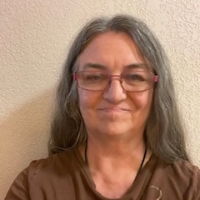
Julia Eduardo
BACP
Compassionate, flexible counselling and practical support
- Stress, Anxiety
- Addictions
- Trauma and abuse

Siyue Zhang
AASW
Practical, compassionate counselling for life changes
- Stress, Anxiety
- Relationship
- Family

Jan Horner
LPC
Hopeful, grounded counseling focused on meaning
- Relationship
- Family
- Intimacy-related issues


Felicity Palma
LPCC, LMHC
Therapist who blends meaning and practical skills
- Stress, Anxiety
- Trauma and abuse
- Self esteem

Timothy Schuerr
LISW
Helping people find meaning and practical change
- Stress, Anxiety
- Family
- Parenting

Kellie Foster
LMHC, LCMHC
Practical, person-focused counseling for life changes
- Stress, Anxiety
- Self esteem
- Depression

Margaret Hormenoo
LCMHC
Compassionate counselor for life transitions
- Stress, Anxiety
- Relationship
- Grief

Brett Garcia
BACP
Existential and integrative counsellor with 20 years' experience
- Stress, Anxiety
- Relationship
- Family

Vanicha Mamon
BACP
Existential-influenced counsellor for everyday struggles
- Stress, Anxiety
- Relationship
- Trauma and abuse

Teresa Riley
LMFT
Seasoned therapist blending practical skills and meaning
- Stress, Anxiety
- Addictions
- Relationship


Dr. Doris "Dee" Hann-Morrison
LPC
Guidance rooted in meaning and practical change
- Addictions
- Relationship
- Grief
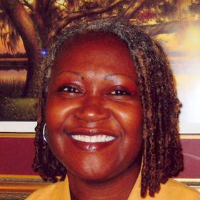
Kingsley Boateng
BACP, NCPS
Warm, practical therapy for life transitions
- Stress, Anxiety
- LGBT
- Relationship


Seaneen Madden
BACP
Experienced counsellor focused on practical support
- Stress, Anxiety
- Relationship
- Family

Sophie Howe
BACP
Calm, practical counselling for daily struggles
- Stress, Anxiety
- Relationship
- Self esteem

Some links on this page are partner links. We will earn a commission if you sign up through one, at no cost to you. It does not change what you pay or the order of the listings.
What hospice and end-of-life counseling is and how it affects people
Hospice and end-of-life counseling is a form of supportive psychotherapy that centers on the emotional, existential and relational questions that arise as life draws to a close. You may seek this type of counseling for yourself as you face a serious illness or prognosis, or you may look for it as a caregiver, family member or friend who is navigating anticipatory grief, role changes and the practical tasks that come with the later stages of life. The work often shifts the focus from cure to meaning - exploring what matters to you now, how you want to spend your time, and how to communicate wishes and values with loved ones.
The experience of approaching the end of life can bring intense emotions such as fear, anger, sadness and relief. It can also prompt deep reflection about identity, unfinished relationships and spiritual concerns. Counseling in this context aims to create a space where those experiences can be named, felt and organized into a plan that honors your priorities. Many people find that talking with a clinician who understands the emotional landscape of terminal illness helps them manage uncertainty, restore a sense of agency and clarify decisions in the time that remains.
Signs you or a loved one might benefit from hospice and end-of-life counseling
You might consider counseling when feelings or situations begin to interfere with daily life, relationships or decision-making. If you notice persistent anxiety about what will happen, repeated nightmares or intrusive worries about loss, therapy can provide tools to manage those experiences. Caregivers who feel overwhelmed, isolated or resentful may find it helpful to have a regular space to process emotions and set boundaries. You might also seek counseling if conversations about goals of care, advance directives or legacy planning feel too difficult to start on your own.
Other indicators that counseling could be useful include significant changes in mood, appetite or sleep tied to grief or anticipatory loss, difficulty finding meaning or purpose, and strained communication with family members about wishes and responsibilities. Even when the practical arrangements are in progress, the emotional work often continues. Counseling can help you prepare for transitions, reconcile unresolved relationships where possible and cultivate moments of connection and comfort in a challenging time.
What to expect in hospice and end-of-life counseling sessions
In early sessions you can expect your clinician to ask about your current situation, important relationships, cultural and spiritual values, and any practical needs that affect your well-being. The initial focus is usually on understanding what matters most to you and identifying immediate sources of distress. You and your therapist will discuss how you prefer to make decisions, who you want involved in conversations, and whether you want emphasis on emotional support, meaning-centered work or communication facilitation with family and medical teams.
Therapy sessions can vary in style depending on what you need. Some people prefer a gentle, conversational approach that prioritizes emotional processing and reminiscence. Others prefer structured work that teaches coping skills for anxiety, pain management strategies that are behavioral rather than medical, or communication techniques to address conflicts. Sessions may include writing letters, creating legacy projects, rehearsing difficult conversations, or exploring spiritual and existential questions. Clinicians often coordinate with hospice staff, social workers and medical providers when you want an integrated approach - with your consent and according to your care preferences.
Common therapeutic approaches used in hospice and end-of-life counseling
Therapists who list meaning-centered approaches among their methods often focus on helping you identify sources of meaning and purpose in the face of loss. This work emphasizes narrative - the stories you tell about your life - and supports you in reframing experiences to reflect values and relationships that matter most. When meaning is foregrounded, practical planning and emotional processing become linked to the life you want to honor.
Grief-focused and narrative work
Many clinicians use grief-focused approaches to help you move through anticipatory loss and bereavement. Narrative techniques invite you to tell, edit and preserve stories that capture important moments. This can be useful for legacy projects or for clarifying how you want to be remembered. Therapists who list grief-focused work among their approaches may combine memory work with practical communication strategies to ease relational tensions.
Acceptance, mindfulness and coping strategies
Therapists who list acceptance and mindfulness-based approaches often teach skills that help you sit with difficult emotions without becoming overwhelmed. Mindfulness can assist in noticing and regulating intense states, while acceptance-oriented practices support making thoughtful choices in line with your values. Coping strategies can also include breathing techniques, pacing activities to conserve energy, and methods for managing intrusive thoughts.
Family systems and communication facilitation
When relationships are central to the distress, therapists who list family systems or relational approaches may help you navigate complex dynamics. Sessions can focus on clarifying roles, mediating conversations about care preferences, and building plans for caregiving responsibilities. Clinicians who emphasize family work aim to create dialogue that reduces misunderstandings and helps those involved express needs and wishes in a constructive way.
When considering approaches, remember that a clinician’s profile may list several methods. That listing does not imply any specific certification - it indicates approaches the therapist uses in their practice. You can discuss the fit of a particular approach during an initial conversation to see how it would be applied to your situation.
How online therapy works for hospice and end-of-life counseling
Online therapy can make hospice and end-of-life counseling more accessible when travel, mobility or geographic distance are challenges. Sessions are typically conducted by video or phone, and some clinicians also offer messaging between sessions for brief check-ins. You can create a comfortable environment in your own home or another chosen setting, arranging audio and lighting to suit your preferences. Using familiar technology can reduce the stress of attending appointments and allow family members to join from different locations if that is helpful.
When you choose online work, it is important to plan for privacy in your space, manage expectations about emergency procedures, and talk with your clinician about how to handle urgent situations. Therapists who work with end-of-life concerns will usually discuss crisis plans and how to connect you with local resources if immediate help is needed. Online therapy also supports collaborative care - you can invite hospice social workers or palliative care providers to coordinate with your therapist when you want a team-based approach.
Tips for choosing the right therapist for hospice and end-of-life counseling
Begin by clarifying what you want help with - managing anxiety, grief work, communication with family, legacy projects, spiritual questions, or coordination with hospice care. Once you know your priorities, review profiles for focus areas, stated approaches and languages spoken. Look for clinicians who mention experience working with illness, bereavement or caregiver support, and note whether they describe family or relational work if that is relevant to you.
When you reach out to a therapist, ask how they approach end-of-life conversations and whether they have experience collaborating with medical teams. You can inquire about typical session structure, their approach to involving family members, and how they handle crisis planning. If you are considering online therapy, ask about the platforms they use, what technology will be required, and how they support continuity of care across different settings.
Finally, trust your sense of connection. The therapeutic relationship matters, and it is reasonable to seek someone you feel understood by and comfortable working with over the coming weeks or months. Profiles will help you narrow options, and an initial conversation can clarify whether a clinician’s style and focus fit what you need. If the match is not right, you can continue searching until you find a clinician who aligns with your values and goals for this important time.
Hospice and end-of-life counseling can be a place to speak openly about what matters most, shape how you want to spend your remaining time, and prepare your loved ones for transitions. Whether you are seeking emotional support, help facilitating difficult conversations, or guidance in finding meaning, the therapists listed here offer a range of approaches you can explore as you decide who to work with.