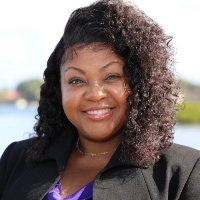
Marjorie Ann Robinson
LICSW
Practical, values-driven therapy with compassion
- Stress, Anxiety
- Depression
- LGBT
Clinical social work directory
2,049 therapists list Trauma-Focused Therapy among the ways they work. Naming an approach is not evidence of training in it, so ask directly how they use it.
Trauma-Focused Therapy is an approach that concentrates on helping people process the psychological and emotional effects of traumatic experiences. Below you can browse therapists who list Trauma-Focused Therapy among their approaches and read profiles to compare approaches, credentials, languages, and experience.
LICSW
Practical, values-driven therapy with compassion
LPC
Practical, meaning-focused counseling for life changes
LPC
Compassionate counselor guiding practical change
ACA
Experienced counsellor helping with life changes
LPC
Practical, values-focused counseling in Texas
LPC
Direct, practical counseling focused on change
BACP
Existential-informed counsellor with practical tools
BACP
Compassionate counsellor for life transitions
BACP
Experienced person-centred counsellor focused on meaning and change
LPC
Practical, values-focused therapy for everyday life
LPC
Practical, collaborative counseling for life changes
BACP
Compassionate counsellor for life challenges
BACP
Existential-informed counsellor focused on everyday challenges
NCPS
Compassionate integrative counselling for life's hard moments
BACP
Existentially minded counsellor for life changes
BACP
Existentially minded counsellor focused on meaning
LPC
Helping people find purpose and practical coping tools
LMHC
Existential-informed therapist focused on meaning
BACP
Compassionate counsellor for real-life challenges
ACA
Helping people make meaning and manage strong emotions
LPC
Compassionate counselor focused on meaning and change
LISW
Calm, practical support for life's hard moments
NCPS
Helping people find meaning and practical coping strategies
LPC
Calm, practical therapy focused on meaning and resilience
BACP
Empathic counsellor helping people find meaning and coping skills
LPC
Compassionate counselor blending meaning and skills
BACP
Quiet, reflective counselling for life changes
LPC
Calm, practical help for life’s hard moments
ACA
Practical, collaborative therapy for life changes
LPC
Practical support for stress, trauma, and life changes
BACP
Supportive integrative counsellor for life changes
BACP
Compassionate counsellor for life transitions
BACP
An approachable counsellor for everyday struggles
BACP
Practical support for meaning, stress and relationships
NCPS
A listening-led counsellor focused on practical change
LCSW
Practical support for life's difficult moments
BACP
Warm, practical counselling that focuses on meaning
LPC
Calm, practical guidance for everyday struggles
Some links on this page are partner links. We will earn a commission if you sign up through one, at no cost to you. It does not change what you pay or the order of the listings.
Trauma-Focused Therapy describes a range of clinical methods centered on addressing the emotional, cognitive, and physiological impacts of traumatic events. At its core, this approach recognizes that trauma can alter how you relate to yourself, to others, and to the world. Therapists who list Trauma-Focused Therapy among their approaches often draw on practices that help you understand trauma responses, build coping skills, and work toward processing memories or reactions that continue to affect daily life. The emphasis is typically on creating a structured process for safely exploring traumatic material, integrating emotional experiences, and developing strategies to manage symptoms and triggers.
The guiding principles include prioritizing your sense of safety and choice, pacing work to match your readiness, and using evidence-informed strategies to reduce distress. Some clinicians emphasize stabilization first - helping you develop grounding and emotion-regulation skills before engaging in direct memory work. Others may blend exposure-based techniques, narrative processing, or skills training depending on your needs. While approaches vary, the shared aim is to reduce the ongoing burden of trauma on your functioning by addressing its psychological and behavioral consequences.
Trauma-Focused Therapy is commonly sought for reactions to single-incident events such as accidents, assaults, or natural disasters, as well as for the consequences of prolonged or repeated trauma like childhood adversity, domestic violence, or complex relational harm. Many people pursue this approach for symptoms commonly associated with trauma exposure, including intrusive memories, nightmares, hyperarousal, avoidance, overwhelming emotions, and difficulties in relationships. It is also used when trauma-related difficulties show up as depression, anxiety, substance use, or struggles with self-image and trust.
People come to trauma-focused work with a wide range of goals. You might want relief from distressing symptoms, a clearer personal narrative about what happened, improved emotional regulation, or better coping strategies for triggers that arise in daily life. Some seek to repair relationships that were strained by traumatic events while others aim to reclaim a sense of safety and agency. Because trauma can affect thinking, memory, and bodily responses, effective work often attends to both psychological and somatic dimensions of experience.
A typical session in Trauma-Focused Therapy begins with checking in about your current state, recent experiences, and any concerns since the last meeting. Your therapist will often ask about sleep, mood, triggers, and how any coping strategies are working. Sessions may include skill-building exercises, such as grounding, breathing, or mindfulness practices, to help manage intense emotions. When you and your clinician determine you are ready, sessions can shift toward processing traumatic memories or exploring patterns that emerged from past experiences.
Processing can take different forms. Some sessions involve guided narrative work where you describe and reflect on events in a paced way. Other sessions might use imagery, cognitive restructuring to examine unhelpful beliefs that developed after trauma, or behavioral experiments to address avoidance. Many therapists also incorporate attention to bodily responses and teach ways to notice and regulate physiological reactions. Throughout this work, pacing is individualized so that you maintain a tolerable level of distress and retain a sense of control over the process.
Trauma-Focused Therapy differs from more general talk therapy in that it explicitly centers the role of traumatic experiences in your symptoms and life story. Where some approaches emphasize present-focused problem solving or broad personal growth, trauma-focused work often combines present-oriented stabilization with targeted interventions aimed at trauma memories and their aftermath. This may involve structured protocols for exposure, memory processing, or cognitive reframing that are less common in general supportive therapy.
Another distinction lies in the attention to safety and pacing. Trauma-Focused Therapy tends to include preparatory phases focused on building coping skills and managing distress before moving into memory-focused work. This contrasts with therapies that immediately focus on insight or relational dynamics without explicit trauma processing. At the same time, many therapists integrate trauma-focused techniques with relational, existential, or humanistic perspectives so that processing occurs within a broader therapeutic relationship that supports meaning-making, values exploration, and identity work.
You may be a good candidate for Trauma-Focused Therapy if traumatic events continue to shape your thoughts, emotions, or behaviors in ways you find limiting or distressing. If you experience recurrent intrusive memories, avoidance of reminders, intense emotional reactions, or interpersonal difficulties that link back to traumatic experiences, trauma-focused methods can be relevant. People with complex or longstanding trauma histories often benefit from approaches that combine stabilization, skills training, and careful processing across time.
It is important to recognize that trauma-focused work is not identical for everyone. If you are managing significant life instability, crises, or acute medical issues, clinicians often prioritize safety and stabilization before intensive trauma processing. Your readiness is a personal and clinical decision that you and a therapist will make together. You should expect a collaborative discussion about goals, pacing, and the techniques that feel most appropriate given your circumstances and preferences.
When searching for a therapist who uses trauma-focused methods, start by looking for clinicians who list Trauma-Focused Therapy among their approaches and read their profiles to learn about their orientation, experience, and the populations they work with. Pay attention to the languages they speak and any focus areas they mention, such as working with survivors of interpersonal violence, first responders, or people who experienced childhood adversity. Profiles that describe the therapist's typical session structure or their approach to pacing and stabilization can help you anticipate how they might work with you.
During an initial conversation or consultation, you can ask practical questions about how they approach trauma work and what you might expect in the early sessions. Inquire about the balance they strike between skills-building and memory processing, how they monitor and respond to distress, and how they collaborate on treatment goals. It is also reasonable to ask how they support people who experience strong emotional or physiological reactions in session. Comparing therapists on the basis of approach, credentials, languages, and experience can help you find a clinician whose style and background align with your needs.
Finding the right fit often involves considering therapeutic approach alongside personal comfort and rapport. Many people pay attention to whether a therapist communicates clearly about pacing, respects their boundaries, and offers a transparent plan for trauma-focused work. You may find it helpful to prioritize clinicians who describe a staged approach - one that begins with stabilization and builds toward targeted processing - especially if you want gradual, measured progress. Ultimately, the decision about who to work with is shaped by how well the therapist's description of their practice aligns with your goals and preferences.
Trauma-Focused Therapy is a focused way of addressing the persistent effects of traumatic experiences by combining skill development, pacing, and targeted processing. If trauma-related symptoms affect your daily life, exploring profiles of therapists who list Trauma-Focused Therapy among their approaches can be a practical first step. Use provider descriptions to compare how clinicians describe their work, then reach out for an initial conversation to learn more about fit, method, and how they collaborate with clients on treatment goals.