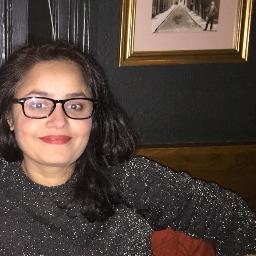
Wajda Tabassum, BACP
4 years in practice
Wajda Tabassum is a counsellor based in the United Kingdom who meets people where they are and helps them talk through difficult moments.
License and registration
- BACP
- 391096 · expires September 2026
- Years in practice
- 4
- Languages
- English
Details are as listed on the therapist's public professional profile. You can check the registration with the body that granted it.
About Wajda
Wajda Tabassum is a counsellor based in the United Kingdom who meets people where they are and helps them talk through difficult moments. She holds a BACP credential and frames sessions as co-created spaces built on empathy and respect. Wajda offers therapy in English and accepts international clients for remote work.
Her approach is person-centred and humanistic, so sessions focus on the client's experience and values. She may draw on Existential Therapy to look at meaning and choice, and on Attachment-Based ideas to understand relationship patterns.
Background and approach
Practical tools from Acceptance and Commitment Therapy (ACT) and Emotionally-Focused Therapy can also appear when useful. Wajda trained with a Foundation Degree in Humanistic Counselling from Middlesex University and holds a BA (Hons) in Psychology. Her background includes a certificate in online and telephone counselling and training in trauma-informed risk assessment.
She also has qualifications related to counselling children and young people and therapeutic art coaching. In practice she tailors sessions to individual needs. That can mean creative activities, brief solution-focused work, or longer exploratory conversations about loss, identity or relationships.
She aims to help people make choices that match their values and cope better with life changes. People commonly bring stress, anxiety, grief, relationship and family concerns, trauma and abuse, or issues with self-esteem and addiction. Wajda describes therapy as a collaborative process and supports clients as they identify goals and take steps toward change.
Focus areas and approaches
Everything Wajda lists on their public professional profile, in their own terms.
- Stress, Anxiety
- Relationship issues
- Family conflicts
- Trauma and abuse
- Depression
- Addictions
- LGBT
- Grief
- Intimacy-related issues
- Eating disorders
- Sleeping disorders
- Parenting issues
- Anger management
- Self esteem
- Career difficulties
- Coping with life changes
- Compassion fatigue
- Abandonment
- Aging and geriatric issues
- Attachment issues
- Autism and Asperger Syndrome
- Avoidant personality
- Blended family issues
- Body image
- Chronic pain, illness, and disability
- Codependency
- Commitment issues
- Communication problems
- Control issues
- Coping with natural or human-caused disaster
- Dependent personality
- Dissociation
- Divorce and separation
- Domestic violence
- Emptiness
- Family of origin issues
- Family problems
- Fatherhood issues
- Forgiveness
- Guilt and shame
- Immigration issues
- Impulsivity
- Isolation / loneliness
- Jealousy
- Life purpose
- Midlife crisis
- Mood disorders
- Multicultural concerns
- Obsessions, compulsions, and OCD
- Panic disorder and panic attacks
- Phobias
- Pregnancy and childbirth
- Prejudice and discrimination
- Process addiction (porn, exercise, gambling)
- Self-harm
- Self-love
- Sex addiction
- Sexual assault and abuse
- Social anxiety and phobia
- Somatization
- Women's issues
- Workplace issues
- Young adult issues
Approaches Wajda names
- Existential Therapy
- Acceptance and Commitment Therapy (ACT)
- Attachment-Based Therapy
- Client-Centered Therapy
- Emotionally-Focused Therapy (EFT)
- Imago Relationship Therapy
- Mindfulness Therapy
- Motivational Interviewing
- Narrative Therapy
- Solution-Focused Therapy
- Somatic Therapy
- Trauma-Focused Therapy
- Internal Family Systems
Naming an approach is not evidence of training in it. This directory copies what each therapist lists and does not check training records.
Online support
How therapy approaches translate to online work
Existential Therapy helps people consider values, meaning and choice when life feels uncertain. Online sessions can support conversations about identity, purpose and making difficult decisions by giving space to reflect and weigh options.Acceptance and Commitment Therapy, or ACT, focuses on what matters to the client and on small, practical steps to move toward those values. In remote work ACT techniques can include short behavioural experiments, mindfulness practices, and goal-setting between sessions to build steady change.
Attachment-Based Therapy looks at how earlier relationship patterns shape current connections and communication. Over video or phone the therapist can help clients notice recurring patterns, practise new ways of relating, and plan conversations they want to have with others.
Finding the right approach is part of the process. The therapist will work together with the client to decide which methods fit their needs, goals and preferences, and can adjust the plan as therapy progresses.
Online formats offer practical benefits for many people. Video calls let sessions feel more like in-person meetings, phone work is useful when bandwidth is limited, live chat can suit quick check-ins, and text-based messaging supports short reflections between meetings. These options make it easier to fit therapy around work, caring responsibilities and travel.
We will earn a commission if you sign up through our link, at no cost to you. It does not change what you pay or the order of the listings.
Questions people ask
What concerns can I bring to therapy?
Wajda works with a wide range of issues including stress, anxiety, depression, trauma and abuse, relationship and family concerns, grief, addictions, eating and sleeping problems, and self-esteem difficulties.
What is her therapeutic style like?
Sessions are person-centred and humanistic with a collaborative tone. Existential ideas about meaning and Attachment-Based perspectives about relationships may shape the work.
How much experience does she have?
She has four years of professional experience working as a counsellor and has used a mix of creative and conversational methods in practice.
What credentials and region are listed?
Wajda is a BACP credential holder and is based in the United Kingdom.
Which languages are supported?
Sessions are offered in English.
What session formats are offered?
She provides video calls, phone sessions, live chat, and text-based messaging for remote therapy.
How are sessions paid for and what do they cost?
Cost varies with location and therapist availability; sessions use a subscription that can be cancelled at any time.
How do I begin if I want to work with her?
Start by selecting the Start Therapy button, complete a short matching questionnaire, and schedule sessions according to the therapist's availability.
Is this your profile?
Ask us to correct details or take the page down.
Contact us