Clinical social work directory
Therapists who work with Domestic Violence
1,386 therapists list domestic violence among the things they work with. All offer sessions online, and every profile shows the registering body, the membership number and when it runs to.
This page lists therapists who focus on domestic violence and related relationship trauma. Browse the listings below to compare approaches, languages, credentials, and areas of focus.
Use the filters to find clinicians who list the approaches and experience that feel most relevant to your situation, and read profiles to learn more about their focus and language options.


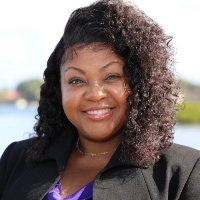
Chidale Blackwood
LPC
Practical, meaning-focused counseling for life changes
- Stress, Anxiety
- Family
- Trauma and abuse

Treva Ross-Sanders
LPC
Compassionate counselor guiding practical change
- Stress, Anxiety
- Family
- Trauma and abuse

Lisa Papas
ACA
Experienced counsellor helping with life changes
- Stress, Anxiety
- Trauma and abuse
- Grief

Maddisson Elizardo
LPC
Practical, values-focused counseling in Texas
- Stress, Anxiety
- Addictions
- Relationship

Sally Henderson
ACA, PACFA
Supportive counsellor for stress and trauma
- Stress, Anxiety
- Addictions
- Relationship

Tatyana Sibthorpe
BACP
Existential-informed counsellor with practical tools
- Addictions
- Relationship
- Trauma and abuse

Michael James
BACP
Experienced person-centred counsellor focused on meaning and change
- Stress, Anxiety
- Relationship
- Trauma and abuse


Kevin Rogers
LPC
Practical, values-focused therapy for everyday life
- Stress, Anxiety
- Anger
- Self esteem

Dashon Mcnelley
LPC
Practical, collaborative counseling for life changes
- Stress, Anxiety
- Trauma and abuse
- Coping with life changes

Lucy Ainger
BACP
Compassionate counsellor for life challenges
- Stress, Anxiety
- Addictions
- Trauma and abuse


Colette Moran
BACP
Practical therapy that addresses meaning and coping
- Stress, Anxiety
- Anger
- Self esteem

Magdelena "Maggie" Rasheva-Malul
BACP
Existentially minded counsellor for life changes
- Stress, Anxiety
- Relationship
- Trauma and abuse

Foluso Orebiyi
BACP
Existentially minded counsellor focused on meaning
- Stress, Anxiety
- Family
- Trauma and abuse

Danielle Montano
BACP, NCPS
Humanistic counsellor focusing on meaning and connection
- Stress, Anxiety
- Relationship
- Intimacy-related issues

Dr. Tanya Harrell
LPC
Helping people find purpose and practical coping tools
- Stress, Anxiety
- Family
- Trauma and abuse


Janet Ferrell
LPC
Experienced counselor focusing on practical change and meaning
- Addictions
- Family
- Grief

Catherine Kearns
BACP
Compassionate counsellor for real-life challenges
- Stress, Anxiety
- Addictions
- Relationship

April Nance
LPC
Compassionate counselor focused on meaning and change
- Stress, Anxiety
- Addictions
- Trauma and abuse

Marian Hanson
BACP
Existential counsellor focused on meaning and practical change
- Relationship
- Grief
- Intimacy-related issues

Sydney Lewis
NCPS
Helping people find meaning and practical coping strategies
- Stress, Anxiety
- Addictions
- Grief

Helen Fox
BACP
Existential and person-centred counsellor
- Stress, Anxiety
- Relationship
- Trauma and abuse

Marzena Uphill
BACP
Empathic counsellor helping people find meaning and coping skills
- Stress, Anxiety
- Trauma and abuse
- Grief

Dr. Kalawatie Ramnath
BACP
Quiet, reflective counselling for life changes
- Stress, Anxiety
- Trauma and abuse
- Career

Elizabeth Smith
LPC
Calm, practical help for life’s hard moments
- Stress, Anxiety
- Trauma and abuse
- Grief

Sabina Jugurnauth
ACA
Practical, collaborative therapy for life changes
- Stress, Anxiety
- Relationship
- Grief

Darryl Khan
LMHC
Compassionate counselor helping people find meaning and balance
- Stress, Anxiety
- Relationship
- Trauma and abuse

Andrew Henderson
NCPS
Practical support for life’s harder moments
- Stress, Anxiety
- Family
- Trauma and abuse

Garrick Lawton
LPC
Practical support for stress, trauma, and life changes
- Stress, Anxiety
- Addictions
- Trauma and abuse

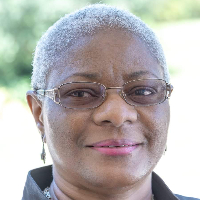
Alexander Szendrei
BACP
Supportive integrative counsellor for life changes
- Stress, Anxiety
- Relationship
- Grief

Avril Harding
BACP
Compassionate counsellor for life transitions
- Stress, Anxiety
- Addictions
- Relationship

Peter Bramhill
BACP
An approachable counsellor for everyday struggles
- Stress, Anxiety
- Family
- Trauma and abuse

Tracy Campbell
NCPS
A listening-led counsellor focused on practical change
- Stress, Anxiety
- Family
- Trauma and abuse

Daffney Tchassem
LCSW
Practical support for life's difficult moments
- Stress, Anxiety
- Relationship
- Family

Shaun Underwood
BACP
Warm, practical counselling that focuses on meaning
- Stress, Anxiety
- Anger
- Self esteem

Daniel Scott
NCPS
Calm, practical therapy for everyday struggles
- Stress, Anxiety
- Intimacy-related issues
- Parenting

Roslyn Smith
LPC
Calm, practical guidance for everyday struggles
- Stress, Anxiety
- Addictions
- Trauma and abuse

Joseph Mbaeru
BACP
Calm, practical support for life challenges
- Stress, Anxiety
- Relationship
- Trauma and abuse

Jennifer Mcpherson (Norman)
BACP
Experienced counsellor for relationship and life challenges
- Relationship
- Family
- Trauma and abuse

Joanne Thacker
BACP
Calm, listening counselling for life’s hard moments
- Stress, Anxiety
- Relationship
- Trauma and abuse

Aileen Boyle
BACP
Supportive counsellor helping find meaning and direction
- Stress, Anxiety
- Addictions
- Trauma and abuse

Frederick Roberts
BACP
Supportive counsellor for adults and young adults
- Stress, Anxiety
- LGBT
- Relationship

Some links on this page are partner links. We will earn a commission if you sign up through one, at no cost to you. It does not change what you pay or the order of the listings.
Understanding domestic violence and its effects
Domestic violence is a pattern of behavior used by one person to gain or maintain power and control over another within an intimate or family relationship. It can include physical harm, sexual coercion, emotional abuse, economic control, stalking, technological harassment, and coercive control. Because domestic violence often involves ongoing patterns rather than isolated incidents, its effects can be wide-ranging and complex. You may notice changes in your sense of safety, trust, self-worth, sleep, concentration, or physical health. Friends, work, and daily routines may also be affected as the relationship dynamics shape how you move through your life. Cultural context, immigration status, disability, gender identity, sexual orientation, and socioeconomic factors can all influence how domestic violence is experienced and what resources are available to you.
When you start to explore therapy for domestic violence, it is common to address immediate safety and stabilization first and then move toward processing, rebuilding, and planning for the future. Some people seek support for the emotional aftermath of abuse, some look for strategies to manage ongoing risk, and others want help navigating relationships, family dynamics, or legal and housing systems. Therapy can be part of a broader plan that includes community resources, legal advice, medical care, and practical supports.
Signs you might benefit from therapy for domestic violence
Deciding to seek therapy is a personal step, and there are many reasons you might look for professional support. You might find that anxiety, panic attacks, intrusive memories, nightmares, or avoidance have become frequent or disruptive. You may notice increased irritability, difficulty concentrating, or fatigue that affects your daily responsibilities. Relationship patterns often change after abuse - you may struggle to trust others, feel hypervigilant in social situations, or have intense reactions to reminders of what happened. Some people develop difficulties with mood regulation, turning to alcohol or other substances to cope, or experiencing social withdrawal and isolation. Physical symptoms such as headaches, gastrointestinal problems, or chronic pain can also be related to prolonged stress and worry about safety.
If you are assessing whether therapy could help, think about how your current symptoms affect your ability to function and whether you want support to change patterns, reduce distress, or plan for safety and next steps. If you are in immediate danger, contact local emergency services or a crisis line for immediate assistance. If danger is not immediate, a conversation with a clinician can help you clarify priorities - whether that means short-term stabilization, long-term recovery work, or coordination with other supports in your community.
What to expect in therapy sessions focused on domestic violence
Therapy typically begins with an intake or assessment in which the clinician asks about your current concerns, recent events, safety, relationship history, and what you hope to achieve. You can expect a focus on establishing practical strategies for staying safe and reducing immediate stress, as well as identifying short-term goals that make sense for your situation. Many clinicians emphasize a paced approach that respects your readiness to discuss painful memories while building skills for emotion regulation and coping.
Early sessions often include safety planning - identifying people, places, and actions that reduce risk and creating concrete steps you can take if your circumstances change. You can also work on grounding techniques, breathing, and other tools to manage overwhelming feelings. As you and your clinician build trust, sessions may shift toward processing trauma-related memories, examining how the abuse influenced your beliefs about yourself and relationships, and strengthening boundaries and communication skills. Some people include family members or supportive partners in therapy when it is safe and appropriate, while others focus on individual work to regain a sense of autonomy and stability. Therapy can also involve practical assistance, such as connecting you to community resources, legal information, housing referrals, or medical care when needed.
Couples therapy and ongoing abuse
If you are considering couples therapy, be aware that many clinicians will not recommend it when abuse is ongoing because it can increase risk or put you at further disadvantage. Couples sessions are sometimes considered only after a period of demonstrated safety and when both partners commit to accountability and behavior change. When reading therapist profiles, look for clear statements about how clinicians approach safety and whether they distinguish work with survivors from work with people who have used harm.
Common therapeutic approaches used for domestic violence
There is no single therapy that fits everyone, and clinicians often combine approaches depending on your goals. You will find therapists who list cognitive behavioral therapy among their approaches, which focuses on identifying and shifting patterns of thought and behavior that contribute to distress. Some clinicians describe trauma-focused or trauma-informed frameworks that prioritize safety and stabilization before memory processing. You may also find therapists who list EMDR among their approaches; this method is often described as a way to help process distressing memories while monitoring your level of activation. Narrative approaches, which focus on how stories about your life shape meaning and identity, are another option that some therapists list.
In addition to these, there are therapists who list somatic or body-centered approaches that attend to bodily responses to stress, and others who list strength-based or survivor-centered modalities that emphasize resilience and agency. Feminist-informed approaches often contextualize abuse within social power dynamics and can be helpful if you want to explore how societal factors contributed to your experience. Therapists who list psychoeducation and skills training among their offers may help you learn coping strategies, boundary-setting techniques, and communication skills. When reading clinician profiles, note the language they use about domestic violence work and which approaches they emphasize, since that can indicate how they structure sessions and prioritize goals.
How online therapy works for domestic violence
Online therapy can increase access to clinicians who specialize in domestic violence by allowing you to connect from different locations, match with therapists who speak your language, or find someone with experience that fits your cultural background. Sessions typically happen via video or phone, and some clinicians offer text or messaging support as an adjunct. When you choose online work, it is important to think through logistical details - where you will take sessions so you have privacy, how you will manage interruptions, and what steps you will take if a session raises intense emotions or safety concerns. You can discuss contingency plans with your clinician during the intake, including local emergency contacts and a plan for what to do if a session is cut off.
Online therapy can be particularly useful for people who face transportation barriers, live in areas with few specialized clinicians, or need flexible scheduling. At the same time, remote work has limits - some safety interventions require in-person coordination, and some legal or medical processes may be easier to address locally. If you are considering online therapy, ask clinicians how they approach safety planning in remote work and whether they have experience coordinating with local resources when needed.
Choosing the right therapist for domestic violence work
When you look through listings, focus on several practical factors that affect fit. Pay attention to the clinician's stated focus areas - whether they describe work with survivors, people who have used harm, or family systems affected by violence. Note the approaches they list and whether those approaches sound like an orientation you would find helpful. Consider language options, cultural competence, and any mention of working with specific populations such as LGBTQ+ communities, immigrant survivors, or people with disabilities. Credentials can tell you about a clinician's professional background, though credentials alone do not guarantee a good match.
It can be useful to read clinician profiles for information on how they handle safety planning and crisis situations, as well as whether they coordinate with legal or community services. When you reach out for an initial conversation, you might ask how they structure early sessions, how they approach pacing and trauma processing, and what practical steps they take to reduce risk. Trust your sense of comfort - the relationship with your clinician matters. If you do an initial intake and something feels off, it is reasonable to continue searching for someone whose style, language, and stated focus align with what you need. Therapy is a collaborative process, and finding the right match can make a significant difference in how supported you feel as you work through the impacts of domestic violence.
Remember that therapy is often one component of a larger plan. You may combine clinical support with community resources, legal advice, medical care, and social supports. Take the time you need to explore profiles and approaches on this site, and use the listings below to identify clinicians who list the experience and approaches that best match your needs and values.