Clinical social work directory
Therapists who work with Multicultural Concerns
1,478 therapists list multicultural concerns among the things they work with. All offer sessions online, and every profile shows the registering body, the membership number and when it runs to.
This page lists therapists who identify multicultural concerns as a focus in their practice. You will find profiles that describe cultural perspectives, language abilities, stated approaches and areas of emphasis. Browse the listings below to explore practitioners whose work aligns with your needs.


Chidale Blackwood
LPC
Practical, meaning-focused counseling for life changes
- Stress, Anxiety
- Family
- Trauma and abuse

Lisa Papas
ACA
Experienced counsellor helping with life changes
- Stress, Anxiety
- Trauma and abuse
- Grief

Maddisson Elizardo
LPC
Practical, values-focused counseling in Texas
- Stress, Anxiety
- Addictions
- Relationship

Linda Seibert
LPC
Direct, practical counseling focused on change
- Stress, Anxiety
- Relationship
- Intimacy-related issues

Sally Henderson
ACA, PACFA
Supportive counsellor for stress and trauma
- Stress, Anxiety
- Addictions
- Relationship

Tatyana Sibthorpe
BACP
Existential-informed counsellor with practical tools
- Addictions
- Relationship
- Trauma and abuse

Charleen Raymond
BACP
Practical, down-to-earth counselling for life changes
- Stress, Anxiety
- Relationship
- Self esteem

Jareeda Walters-Leatherbarrow
BACP
Compassionate counsellor for life transitions
- Stress, Anxiety
- Family
- Grief

John Obalum
AASW
Calm, direct support for family and trauma concerns
- Family
- Trauma and abuse
- Intimacy-related issues

Michael James
BACP
Experienced person-centred counsellor focused on meaning and change
- Stress, Anxiety
- Relationship
- Trauma and abuse


Kevin Rogers
LPC
Practical, values-focused therapy for everyday life
- Stress, Anxiety
- Anger
- Self esteem

Chandana Rathnayake
BACP, NCPS
Calm, practical help for life transitions
- Stress, Anxiety
- Grief
- Self esteem


Luisa Passalacqua
BACP
Existential-informed counsellor focused on everyday challenges
- Family
- Trauma and abuse
- Sleeping

Chris Rottcher
NCPS
Compassionate integrative counselling for life's hard moments
- Stress, Anxiety
- Relationship
- Trauma and abuse

Magdelena "Maggie" Rasheva-Malul
BACP
Existentially minded counsellor for life changes
- Stress, Anxiety
- Relationship
- Trauma and abuse

Foluso Orebiyi
BACP
Existentially minded counsellor focused on meaning
- Stress, Anxiety
- Family
- Trauma and abuse

Danielle Montano
BACP, NCPS
Humanistic counsellor focusing on meaning and connection
- Stress, Anxiety
- Relationship
- Intimacy-related issues

Dr. Tanya Harrell
LPC
Helping people find purpose and practical coping tools
- Stress, Anxiety
- Family
- Trauma and abuse

Janet Ferrell
LPC
Experienced counselor focusing on practical change and meaning
- Addictions
- Family
- Grief

Dr. Heidi Duong
LMHC
Existential-informed therapist focused on meaning
- Stress, Anxiety
- Trauma and abuse
- Eating

Catherine Kearns
BACP
Compassionate counsellor for real-life challenges
- Stress, Anxiety
- Addictions
- Relationship

April Nance
LPC
Compassionate counselor focused on meaning and change
- Stress, Anxiety
- Addictions
- Trauma and abuse

Marian Hanson
BACP
Existential counsellor focused on meaning and practical change
- Relationship
- Grief
- Intimacy-related issues

Sydney Lewis
NCPS
Helping people find meaning and practical coping strategies
- Stress, Anxiety
- Addictions
- Grief

Benjamin Wayburn
LPC
Calm, practical therapy focused on meaning and resilience
- Stress, Anxiety
- Trauma and abuse
- Grief

Dr. Kalawatie Ramnath
BACP
Quiet, reflective counselling for life changes
- Stress, Anxiety
- Trauma and abuse
- Career

Sabina Jugurnauth
ACA
Practical, collaborative therapy for life changes
- Stress, Anxiety
- Relationship
- Grief

Darryl Khan
LMHC
Compassionate counselor helping people find meaning and balance
- Stress, Anxiety
- Relationship
- Trauma and abuse

Garrick Lawton
LPC
Practical support for stress, trauma, and life changes
- Stress, Anxiety
- Addictions
- Trauma and abuse

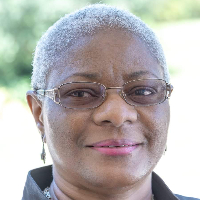
Alexander Szendrei
BACP
Supportive integrative counsellor for life changes
- Stress, Anxiety
- Relationship
- Grief

Durdana Soomro
BACP
Understanding and practical counselling for everyday struggles
- Stress, Anxiety
- Relationship
- Intimacy-related issues

Avril Harding
BACP
Compassionate counsellor for life transitions
- Stress, Anxiety
- Addictions
- Relationship

Peter Bramhill
BACP
An approachable counsellor for everyday struggles
- Stress, Anxiety
- Family
- Trauma and abuse

Angela Sterling-Noel
BACP
Practical support for meaning, stress and relationships
- Stress, Anxiety
- Relationship
- Trauma and abuse

Tracy Campbell
NCPS
A listening-led counsellor focused on practical change
- Stress, Anxiety
- Family
- Trauma and abuse

Daffney Tchassem
LCSW
Practical support for life's difficult moments
- Stress, Anxiety
- Relationship
- Family

Dr. Farah Ibrahim
CO Psychologist
Compassionate psychologist for life’s hard moments
- Stress, Anxiety
- Relationship
- Family

Roslyn Smith
LPC
Calm, practical guidance for everyday struggles
- Stress, Anxiety
- Addictions
- Trauma and abuse

Hendrina Sterling Rodriguez
NCPS
Focused, practical counselling for everyday struggles
- Stress, Anxiety
- Relationship
- Self esteem

Joelma Dos Santos
BACP
Calm, practical counselling for everyday struggle
- Stress, Anxiety
- Addictions
- Trauma and abuse

Joseph Mbaeru
BACP
Calm, practical support for life challenges
- Stress, Anxiety
- Relationship
- Trauma and abuse

Jennifer Mcpherson (Norman)
BACP
Experienced counsellor for relationship and life challenges
- Relationship
- Family
- Trauma and abuse


Some links on this page are partner links. We will earn a commission if you sign up through one, at no cost to you. It does not change what you pay or the order of the listings.
Understanding multicultural concerns and how they affect daily life
What the term covers
Multicultural concerns refers to the ways culture, race, ethnicity, language, immigration experience, religion, sexual orientation, socioeconomic status and other identity factors shape a person’s sense of self and their interactions with others. When cultural context is central to the concerns someone brings to therapy, issues may include navigating bicultural identities, coping with discrimination, managing intergenerational differences, or adjusting after migration. These concerns can influence relationships, career choices, mental and emotional well-being, and how you understand your own narrative within families and communities.
How cultural factors shape experience
Culture acts like a lens that affects values, communication styles, coping strategies and expectations. You may find that norms in your family differ from those in the wider society, leaving you feeling torn or misunderstood. Experiences of exclusion or racial stress can generate anxiety, low mood, hypervigilance or avoidance. At the same time, cultural strengths such as community ties, storytelling traditions and collective coping can be resources you bring into therapy. Understanding multicultural concerns means paying attention to both risks and resilience so that your therapist can support a fuller picture of your life.
Signs you might benefit from therapy focused on multicultural concerns
Common experiences that prompt people to seek help
You might consider work with a therapist who focuses on multicultural concerns if you find yourself repeatedly navigating cultural conflict, feeling unseen because of your identity, or struggling with belonging. Persistent stress related to discrimination, traumatic experiences tied to migration, or chronic identity confusion that interferes with daily routines are reasons people seek culturally focused care. Another sign is when interpersonal patterns - such as recurring clashes with family members over cultural expectations, or difficulty asserting personal boundaries in community contexts - leave you exhausted or stuck.
When emotional patterns connect to culture
Sometimes it is not a single event but a pattern that points to multicultural issues. You may notice that certain settings trigger shame, avoidance or anger - for example, workspaces where microaggressions are frequent or family gatherings that revive old conflicts about assimilation. If your mood shifts around language use, faith practices or community rituals, those are clues that cultural identity is central to your wellbeing. Therapy can help you explore these patterns, test new ways of interacting and strengthen coping strategies that respect your background.
What to expect in therapy for multicultural concerns
Early sessions and building understanding
In the first several sessions you and your therapist will typically map out your cultural history and current challenges. Expect conversations about identity, family stories, migration history if applicable, and the social contexts that shape your life. This phase is an opportunity to describe which aspects of culture feel supportive and which create tension. Your therapist may ask about language preferences, spiritual beliefs and community ties to better understand what matters to you and how those elements intersect with the difficulties you want to address.
Ongoing work and practical goals
As therapy continues you will likely move from exploring context to working on concrete goals, whether that means building skills for addressing workplace bias, improving communication across generational divides, or processing loss related to cultural transition. Sessions may involve reflecting on how identity influences your choices, experimenting with new behaviors between sessions, and processing strong emotions that arise from cultural stress. You should expect a collaborative relationship where your perspective guides the pace and focus of the work.
Therapeutic approaches you may encounter
How therapists describe their methods
Therapists approach multicultural concerns from many angles and often combine perspectives. You will see practitioners who list narrative approaches, cognitive-behavioral techniques, psychodynamic perspectives, humanistic and existential work, or culturally informed frameworks among their approaches. Therapists may also highlight community-oriented or family systems work when relational dynamics and cultural expectations are central.
Choosing an approach that fits your needs
Different methods offer different emphases. Narrative-oriented work tends to explore the stories you have been told about yourself and how to author new narratives that reflect your experience. Cognitive-behavioral approaches focus on identifying unhelpful thought patterns and trying alternative behaviors. Psychodynamic work pays attention to repeated emotional patterns and their roots in family and cultural history. Existential and humanistic methods center meaning, values and personal agency. Because approaches are not guarantees of expertise, it can be helpful to read therapist profiles to see how they frame cultural questions and which approaches they list as part of their work.
How online therapy works for multicultural concerns and tips for choosing a therapist
Online options and what to expect
Online therapy expands the range of practitioners you can explore across geographic boundaries. For multicultural concerns this can be an advantage when you want to find someone who shares or deeply understands a specific cultural background, speaks your preferred language, or describes experience with immigration, race-related stress or intersectional identities. Online sessions typically take place via video or phone and provide many of the same conversational and reflective opportunities as in-person work. You should consider practical matters like language, time zone, and technology preferences when evaluating whether remote sessions will work well for you.
Practical tips for selecting a therapist
Start by reflecting on what matters most to you - language, cultural perspective, faith background, therapeutic approach, or experience with certain life transitions. Read profiles to see how therapists describe their focus and whether they list topics that resonate with your situation. Pay attention to how they talk about culture - do they name intersectionality, structural issues, or family dynamics in ways that feel credible to you? Consider looking for clinicians who note specific areas such as immigration stress, racial trauma, or intergenerational conflict if those match your needs. Finally, trust your reactions to a profile and to an initial contact - the right match is often about feeling understood and able to work toward change in a comfortable environment.
Next steps
Seeking help for multicultural concerns is a proactive step toward making your cultural identity a resource rather than a source of ongoing stress. Use the listings on this page to learn more about how therapists frame their work, what languages they list, and which approaches they include in their profiles. Taking the time to find a clinician whose perspective aligns with your experience can help you explore identity, address culturally linked distress and build strategies that fit your life.