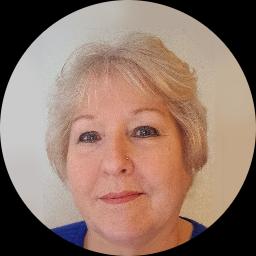
Tina Dale, NCPS
4 years in practice
Tina Dale is a counsellor who uses Existential therapy alongside practical methods to help people facing life’s hard questions.
License and registration
- NCPS
- NCPS267 · expires February 2026
- Years in practice
- 4
- Languages
- English
Details are as listed on the therapist's public professional profile. You can check the registration with the body that granted it.
About Tina
Tina Dale is a counsellor who uses Existential therapy alongside practical methods to help people facing life’s hard questions. She brings four years of experience and a thoughtful, person-focused way of working. Her approach is direct but gentle, aimed at helping people make sense of what feels overwhelming right now.
She helps with common concerns such as anxiety, depression, grief and trauma. She also supports people dealing with relationship strain, intimacy-related worries, and problems with sleep or eating.
Background and approach
Addictions, compassion fatigue and career difficulties are within her remit too. Tina blends approaches so sessions match each person’s needs. She draws on Acceptance and Commitment Therapy to help people notice thoughts and choose what matters to them.
Cognitive Behavioural Therapy offers ways to change unhelpful patterns. Attachment-based and client-centred work help people feel heard and understood. Sessions are conversational and practical.
People can expect to talk through feelings, try new ways of coping, and set steps they can use between meetings. The focus is on finding meaning, building resilience, and restoring connection where it has been damaged. Tina is registered with NCPS and practises in the United Kingdom.
She offers counselling in English and uses video calls, phone, live chat or text-based messaging. If someone wants to begin, they use the Start Therapy button and complete a short matching questionnaire to arrange sessions.
Focus areas and approaches
Everything Tina lists on their public professional profile, in their own terms.
- Stress, Anxiety
- Relationship issues
- Trauma and abuse
- Grief
- Depression
- Addictions
- LGBT
- Family conflicts
- Intimacy-related issues
- Eating disorders
- Sleeping disorders
- Parenting issues
- Anger management
- Self esteem
- Career difficulties
- Bipolar disorder
- Coping with life changes
- Coaching
- Compassion fatigue
- ADHD
- Abandonment
- Adoption and foster care
- Aging and geriatric issues
- Attachment issues
- Autism and Asperger Syndrome
- Avoidant personality
- Blended family issues
- Body image
- Cancer
- Caregiver issues and stress
- Chronic pain, illness, and disability
- Codependency
- Commitment issues
- Communication problems
- Control issues
- Coping with natural or human-caused disaster
- Dependent personality
- Disruptive Mood Dysregulation Disorder (DMDD)
- Divorce and separation
- Domestic violence
- Drug and alcohol addiction
- Eating and food-related issues
- Emptiness
- Family problems
- First responder issues
- Forgiveness
- Guilt and shame
- Hearing impaired
- Hoarding
- Hospice and end-of-life counseling
- Impulsivity
- Infidelity
- Intellectual disability
- Isolation / loneliness
- Jealousy
- Life purpose
- Men's issues
- Midlife crisis
- Money and financial issues
- Mood disorders
- Narcissism
- Obsessions, compulsions, and OCD
- Panic disorder and panic attacks
- Postpartum depression
- Post-traumatic stress
- Pregnancy and childbirth
- Process addiction (porn, exercise, gambling)
- Seasonal Affective Disorder (SAD)
- Self-harm
- Self-love
- Sexual assault and abuse
- Sexual dysfunction
- Sexuality
- Smoking / vaping cessation
- Social anxiety and phobia
- Trichotillomania
- Women's issues
- Workplace issues
- Young adult issues
Approaches Tina names
- Existential Therapy
- Acceptance and Commitment Therapy (ACT)
- Attachment-Based Therapy
- Client-Centered Therapy
- Cognitive Behavioral Therapy (CBT)
- Dialectical Behavior Therapy (DBT)
- Emotionally-Focused Therapy (EFT)
- Mindfulness Therapy
- Narrative Therapy
- Psychodynamic Therapy
- Solution-Focused Therapy
- Trauma-Focused Therapy
- Internal Family Systems
Naming an approach is not evidence of training in it. This directory copies what each therapist lists and does not check training records.
Online support
How therapeutic approaches translate to online therapy
Existential therapy helps people face big life questions about meaning, choice and responsibility. It encourages honest reflection about values and what matters, which can help when life feels confusing or empty. Acceptance and Commitment Therapy, or ACT, teaches ways to notice thoughts and feelings without getting stuck and to act in line with personal values, useful for anxiety, low mood and life transitions.Finding the right approach is a collaborative process. The therapist will discuss goals, preferences and practical needs and then blend methods that fit the person. Sessions are shaped together so techniques and topics feel useful and relevant rather than imposed.
Online formats include video calls, phone sessions, live chat and text-based messaging. Video is helpful for face-to-face conversation and for practising skills together. Phone sessions can fit into busy days or use less bandwidth. Live chat and messaging suit shorter check-ins, journalling-style reflection, or when someone prefers not to be on camera. These options make it easier to keep therapy consistent while fitting around work, caregiving or mobility needs.
We will earn a commission if you sign up through our link, at no cost to you. It does not change what you pay or the order of the listings.
Questions people ask
What concerns can be addressed in sessions?
Tina works with a wide range of issues including stress, anxiety, depression, grief, trauma, addictions, relationship and intimacy-related issues, ADHD, self-esteem, and career concerns.
How would you describe her way of working?
Her style combines Existential therapy with practical techniques like Acceptance and Commitment Therapy and Cognitive Behavioural Therapy to help people explore meaning and change everyday patterns.
What is her professional background?
She has four years of counselling experience and uses a mix of therapeutic approaches to suit individual needs.
Where does the therapist practise and what credential is held?
She practises in the United Kingdom and holds the NCPS credential as provided in her profile.
Which languages are supported for sessions?
Sessions are offered in English.
Are international clients accepted?
International clients are not currently accepted.
What session formats are available?
Sessions can take place via video calls, phone sessions, live chat, or text-based messaging to suit different preferences and schedules.
How are costs and the first steps handled?
Costs vary by location and therapist availability and are handled through a subscription that can be cancelled at any time; to begin, select the Start Therapy button, complete the short matching questionnaire, and schedule according to therapist availability.
Is this your profile?
Ask us to correct details or take the page down.
Contact us