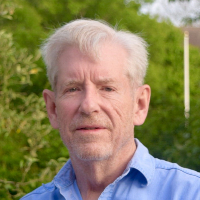
Stephen Witte, LCSW
Connecticut · 48 years in practice
Stephen Witte is a licensed clinical social worker with nearly five decades of practice.
License and registration
- LCSW, Connecticut
- 658 · expires July 2026
- LCSW, New York
- PR020131-1 · expires June 2026
- NPI
- 1013213941 · national provider identifier
- Years in practice
- 48
- Languages
- English
Details are as listed on the therapist's public professional profile. You can check the license with the issuing state board, and the NPI with the national registry.
About Stephen
Stephen Witte is a licensed clinical social worker with nearly five decades of practice. He works from Connecticut and brings steady experience to people facing relationship stress, mood struggles, and life changes. His approach aims to help people take an active role in change instead of feeling pushed around by it.
He listens first to understand what matters most to each person. Sessions focus on clear goals and practical steps, whether the issue is anxiety, depression, substance use, or trouble with intimacy.
Background and approach
He uses straightforward methods to help people regain control of daily life. Stephen draws on Existential ideas about meaning and choice alongside client-centered listening. He also uses cognitive behavioral tools and mindfulness strategies to address thinking patterns and emotion regulation.
Dialectical behavior techniques appear when people need skills for strong emotions and relationships. He has experience with a wide range of concerns including grief, parenting strain, blended family problems, addiction, trauma and abuse, and issues tied to sexual identity and alternative sex culture. He also supports people dealing with burnout, caregiver stress, body image, and relationship conflict.
Sessions are conversational and goal-focused. He helps people spot small changes that add up. The work is collaborative and paced to each person’s needs.
People who want an experienced clinician who combines clear tools with reflective conversation may find his style practical and steady. Communication happens in plain language with an emphasis on usable steps.
Focus areas and approaches
Everything Stephen lists on their public professional profile, in their own terms.
- Relationship issues
- Family conflicts
- Trauma and abuse
- Parenting issues
- Coaching
- Stress, Anxiety
- Addictions
- LGBT
- Grief
- Intimacy-related issues
- Sleeping disorders
- Anger management
- Self esteem
- Career difficulties
- Bipolar disorder
- Depression
- Coping with life changes
- Compassion fatigue
- Abandonment
- BDSM, kink, and alternative sex culture
- Blended family issues
- Body image
- Caregiver issues and stress
- Co-morbidity
- Codependency
- Commitment issues
- Communication problems
- Control issues
- Coping with natural or human-caused disaster
- Dissociation
- Divorce and separation
- Domestic violence
- Drug and alcohol addiction
- Family of origin issues
- Family problems
- Fatherhood issues
- First responder issues
- Forgiveness
- Gender dysphoria
- Guilt and shame
- Infidelity
- Isolation / loneliness
- Jealousy
- Life purpose
- Men's issues
- Midlife crisis
- Money and financial issues
- Mood disorders
- Multicultural concerns
- Panic disorder and panic attacks
- Personality disorders
- Polyamory / non-monogamous relationships
- Post-traumatic stress
- Self-love
- Sexual assault and abuse
- Sexual dysfunction
- Sexuality
- Social anxiety and phobia
- Workplace issues
- Young adult issues
Approaches Stephen names
- Existential Therapy
- Client-Centered Therapy
- Cognitive Behavioral Therapy (CBT)
- Dialectical Behavior Therapy (DBT)
- Mindfulness Therapy
- Motivational Interviewing
- Psychodynamic Therapy
- Solution-Focused Therapy
- Trauma-Focused Therapy
Naming an approach is not evidence of training in it. This directory copies what each therapist lists and does not check training records.
Online support
How his approaches translate to online therapy
Stephen uses Existential Therapy to help people look at meaning, choice, and responsibility in their lives; this can help when someone faces big life transitions, grief, or questions about identity. Client-Centered Therapy is also a core part of his work, which means he offers empathic listening and follows each person's lead to build trust and clarify goals. Cognitive Behavioral Therapy, or CBT, provides concrete tools to change unhelpful thinking and behavior patterns that fuel anxiety, depression, or sleep problems.Finding the right mix of approaches is part of the work. He will talk with the client about goals and preferences, try methods that fit the problem, and adjust the plan based on what helps most. The collaboration helps shape sessions so they feel relevant and doable.
Online formats include video calls, phone sessions, live chat, and text-based messaging. Video calls let people use face-to-face conversation and work through material together. Phone sessions are useful when bandwidth or camera use is limited. Live chat or text messaging offer brief check-ins, skill practice, or a way to keep momentum between longer sessions. These options make scheduling more flexible and help people fit therapy into busy lives.
We will earn a commission if you sign up through our link, at no cost to you. It does not change what you pay or the order of the listings.
Questions people ask
What kinds of concerns does he help with?
He works with relationship and intimacy issues, anxiety and depression, addiction and trauma, and many life stressors like grief, parenting strain, career change, and caregiver stress.
What is his therapeutic style like?
He combines listening with practical skills work. Therapy blends reflective conversation with tools for managing thoughts, emotions, and relationship patterns.
How much experience does he have?
He brings 48 years of experience as a clinician offering long-term practice with varied presenting issues.
What credentials and location are listed?
He is a Licensed Clinical Social Worker with CT LCSW and NY LCSW credentials and is based in Connecticut.
Which languages are supported and can international clients connect?
Sessions are offered in English and he accepts international clients.
In what formats are sessions offered?
He offers video calls, phone sessions, live chat, and text-based messaging to suit different schedules and needs.
How are costs structured?
Cost varies with location and therapist availability, and sessions use a subscription that can be canceled at any time.
How do I begin working with him?
Press the Start Therapy button, complete a short matching questionnaire, and then schedule sessions based on therapist availability.
More therapists in Connecticut
See allKeith Pryor
LCPC, LPC
Practical, values-focused counseling for everyday life
- Stress, Anxiety
- Relationship
- Grief
Sonya Kirven
LPC
Calm, practical support for life’s transitions
- Stress, Anxiety
- Self esteem
- Depression

Karen Andrews
LPC
Calm, practical support for life’s big questions
- Stress, Anxiety
- Family
- Trauma and abuse

Is this your profile?
Ask us to correct details or take the page down.
Contact us