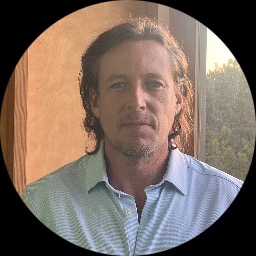
Scotty Enyart, LCSW
California · 15 years in practice
Scotty Enyart is a licensed clinical social worker in California with 15 years of experience helping people manage stress, anxiety, depression, trauma, and relationship problems.
License and registration
- LCSW, California
- 28215 · expires November 2027
- NPI
- 1346410842 · national provider identifier
- Years in practice
- 15
- Languages
- English
Details are as listed on the therapist's public professional profile. You can check the license with the issuing state board, and the NPI with the national registry.
About Scotty
Scotty Enyart is a licensed clinical social worker in California with 15 years of experience helping people manage stress, anxiety, depression, trauma, and relationship problems. He focuses on practical support for everyday struggles and on helping people find clearer direction through life changes. He creates an open space so thoughts and feelings can be shared without judgment.
Scotty uses a variety of approaches to match each person's needs, including Existential Therapy, Acceptance and Commitment Therapy (ACT), Attachment-Based Therapy, client-centered work, and cognitive behavioral tools.
Background and approach
He explains ideas plainly and works together with clients to set useful goals. Sessions tend to be conversational and focused on what feels most important to the person in front of him. People often come for help with specific problems like commitment worries, communication problems, family of origin issues, or coping with chronic illness and caregiver stress.
He also addresses eating and body image concerns, codependency, abandonment fears, and feelings of emptiness. Work can include practical skills, values-guided decision making, and reflecting on relationship patterns. Scotty aims to help people build clearer choices rather than quick fixes.
He supports clients as they test new behaviors and practice different ways of relating. Progress is measured by what a client notices changing in daily life and relationships. Sessions are offered in English and can include video calls, phone sessions, live chat, or text-based messaging.
He accepts international clients and uses a subscription that can be canceled at any time.
Focus areas and approaches
Everything Scotty lists on their public professional profile, in their own terms.
- Stress, Anxiety
- Relationship issues
- Trauma and abuse
- Depression
- Coping with life changes
- Abandonment
- Attachment issues
- Avoidant personality
- Blended family issues
- Body image
- Caregiver issues and stress
- Chronic pain, illness, and disability
- Codependency
- Commitment issues
- Communication problems
- Control issues
- Divorce and separation
- Eating and food-related issues
- Emptiness
- Family of origin issues
- Family problems
- Fatherhood issues
- Fertility issues
- Forgiveness
- Guilt and shame
- Impulsivity
- Isolation / loneliness
- Jealousy
- Life purpose
- Midlife crisis
- Money and financial issues
- Mood disorders
- Multicultural concerns
- Obsessions, compulsions, and OCD
- Panic disorder and panic attacks
- Phobias
- Post-traumatic stress
- Process addiction (porn, exercise, gambling)
- Seasonal Affective Disorder (SAD)
- Self-love
- Sex addiction
- Sexual dysfunction
- Sexuality
- Social anxiety and phobia
- Somatization
- Trichotillomania
Approaches Scotty names
- Existential Therapy
- Acceptance and Commitment Therapy (ACT)
- Attachment-Based Therapy
- Client-Centered Therapy
- Cognitive Behavioral Therapy (CBT)
- Dialectical Behavior Therapy (DBT)
- Emotionally-Focused Therapy (EFT)
- Gottman Method
- Imago Relationship Therapy
- Jungian Therapy
- Mindfulness Therapy
- Motivational Interviewing
- Narrative Therapy
- Psychodynamic Therapy
- Solution-Focused Therapy
- Somatic Therapy
- Trauma-Focused Therapy
- Internal Family Systems
- Systemic Therapy
Naming an approach is not evidence of training in it. This directory copies what each therapist lists and does not check training records.
Online support
Bringing therapeutic approaches into online sessions
Existential Therapy helps people face questions about meaning, choice, and responsibility. It encourages reflection on values and what matters most when life feels uncertain or empty. Acceptance and Commitment Therapy, or ACT, blends accepting difficult thoughts and feelings with taking action that aligns with personal values to reduce avoidance and build a meaningful life.Attachment-Based Therapy looks at how early relationship patterns affect current connections and communication. It helps people notice patterns in close relationships and practice different ways of relating that feel safer and more balanced. Together these approaches offer both reflection and concrete practice so clients can try new behaviors between sessions.
Finding the right approach is part of the work. The therapist will talk with each person about their goals, preferences, and day-to-day realities, and then recommend techniques to try. This collaboration means methods can change over time as progress and needs shift.
Online formats include video calls, phone sessions, live chat, and text-based messaging to fit different schedules. Video is useful for in-depth conversation and reading nonverbal cues, phone sessions can be easier when bandwidth is limited, and messaging or live chat can support brief check-ins or ongoing practice. These options make it easier to maintain regular contact and to practice new skills between sessions.
We will earn a commission if you sign up through our link, at no cost to you. It does not change what you pay or the order of the listings.
Questions people ask
What kinds of problems does he help with?
He helps with stress, anxiety, depression, relationship issues, trauma and abuse, and coping with life changes. Additional focus areas include attachment issues, communication problems, codependency, and chronic illness related concerns.
What is his general approach in sessions?
Sessions are conversational and collaborative, mixing existential reflection with practical techniques. He will use values work, behavioral tools, and attachment-focused conversation as needed.
How long has he been practicing?
He has fifteen years of professional experience working with people on mood, trauma, relationships, and life transitions.
Where is he licensed and based?
He is licensed in California as an LCSW. Sessions are provided to people located in or outside the United States as noted by his international availability.
Which languages are supported for sessions?
Sessions are offered in English.
What session formats are offered?
He works with clients via video calls, phone sessions, live chat, and text-based messaging to fit different needs and schedules.
How does payment work and what does it cost?
Cost varies with location and therapist availability. Sessions use a subscription model that can be canceled at any time.
How do I begin working with him?
Start by selecting the Start Therapy button, complete a short matching questionnaire, and then schedule sessions according to the therapist's availability.
More therapists in California
See allGian Sarabia
LMFT
Calm, practical help for life and relationships
- Trauma and abuse
- Intimacy-related issues
- Bipolar

Sherri Kardell
LMFT
Calm guidance through life’s painful transitions
- Relationship
- Family
- Trauma and abuse

Stacey Sugar
MD, LCPC, LPCC
Existential-informed therapist focused on meaning
- Stress, Anxiety
- Relationship
- Family

Is this your profile?
Ask us to correct details or take the page down.
Contact us