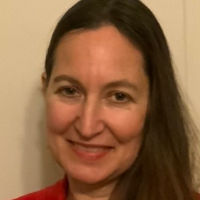
Melanie Bannish, LCSW
Missouri · 25 years in practice
Melanie Bannish is a Licensed Clinical Social Worker with 25 years of practice in Missouri.
License and registration
- LCSW, Missouri
- 002633 · expires September 2027
- NPI
- 1336278118 · national provider identifier
- Years in practice
- 25
- Languages
- English, Spanish
Details are as listed on the therapist's public professional profile. You can check the license with the issuing state board, and the NPI with the national registry.
About Melanie
Melanie Bannish is a Licensed Clinical Social Worker with 25 years of practice in Missouri. She brings steady, experienced support to people facing hard life moments. Her approach is down-to-earth and compassionate, focused on understanding each person's situation before choosing a path forward.
She has worked in a range of settings and with diverse needs, including time living and working in South America with children who had medical needs. That experience shaped her interest in cultural and social factors that affect wellbeing.
Background and approach
Back in the U.S., she coordinated a bilingual domestic violence program for Spanish-speaking women and has worked with court-referred clients, employee assistance programs, and people with disabilities. Melanie blends practical therapy methods with attention to personal meaning and values. She uses Client-Centered techniques to follow what matters most to the person in front of her.
She also draws on Cognitive Behavioral Therapy and Dialectical Behavior Therapy tools to teach skills for coping with stress, mood, and relationships. Trauma work and healing are part of her background, and she has participated in clinical studies that looked at religious beliefs in trauma recovery.
She has explored meditation and related practices and considers spiritual concerns when they are important to a client. Sessions can be held by video, phone, live chat, or text messaging, and are offered in English and Spanish. Melanie aims to make therapy practical and manageable so people can use what they learn between sessions.
Focus areas and approaches
Everything Melanie lists on their public professional profile, in their own terms.
- Anger management
- Self esteem
- Depression
- Coping with life changes
- Compassion fatigue
- Stress, Anxiety
- Addictions
- LGBT
- Relationship issues
- Family conflicts
- Trauma and abuse
- Grief
- Intimacy-related issues
- Eating disorders
- Sleeping disorders
- Parenting issues
- Career difficulties
- Bipolar disorder
- ADHD
- Abandonment
- Adoption and foster care
- Aging and geriatric issues
- Attachment issues
- Autism and Asperger Syndrome
- Blended family issues
- Body image
- Caregiver issues and stress
- Chronic pain, illness, and disability
- Codependency
- Communication problems
- Control issues
- Dependent personality
- Divorce and separation
- Domestic violence
- Drug and alcohol addiction
- Eating and food-related issues
- Emptiness
- Family of origin issues
- Family problems
- Fertility issues
- First responder issues
- Forgiveness
- Guilt and shame
- Hoarding
- Immigration issues
- Impulsivity
- Intellectual disability
- Isolation / loneliness
- Life purpose
- Midlife crisis
- Money and financial issues
- Mood disorders
- Multicultural concerns
- Panic disorder and panic attacks
- Postpartum depression
- Post-traumatic stress
- Pregnancy and childbirth
- Prejudice and discrimination
- Seasonal Affective Disorder (SAD)
- Self-love
- Sexual assault and abuse
- Sexuality
- Social anxiety and phobia
- Visually impaired
- Women's issues
- Workplace issues
- Young adult issues
Approaches Melanie names
- Existential Therapy
- Client-Centered Therapy
- Cognitive Behavioral Therapy (CBT)
- Dialectical Behavior Therapy (DBT)
- Eye Movement Desensitization and Reprocessing (EMDR)
- Mindfulness Therapy
- Motivational Interviewing
- Narrative Therapy
- Psychodynamic Therapy
- Solution-Focused Therapy
- Somatic Therapy
- Trauma-Focused Therapy
Naming an approach is not evidence of training in it. This directory copies what each therapist lists and does not check training records.
Online support
How her approaches translate to online therapy
Existential Therapy helps people think about meaning, choices, and the life they want to lead. It can be useful when someone faces major life changes, questions about purpose, or feelings of being stuck. Client-Centered Therapy focuses on listening without judgment and following what the person says matters most; it creates space for people to find their own direction. Cognitive Behavioral Therapy, or CBT, teaches practical skills to change unhelpful thoughts and behaviors and is often used for anxiety, depression, and stress.Choosing a therapeutic approach is a collaborative process. The therapist will talk with the person about goals, preferences, and what feels most useful, and then try methods that fit. Adjustments are made over time so the work stays relevant and practical.
Online sessions are offered by video calls, phone, live chat, or text-based messaging to make therapy more flexible. Video is good for face-to-face conversation and visible cues. Phone sessions can be easier when bandwidth is limited or a quieter check-in is needed. Live chat and text messaging work well for quick check-ins, skill practice, or when writing feels more comfortable than speaking. These options help people fit therapy into busy lives and different schedules.
We will earn a commission if you sign up through our link, at no cost to you. It does not change what you pay or the order of the listings.
Questions people ask
What kinds of concerns does Melanie help with?
She works with a wide range of issues including anxiety, depression, trauma and abuse, grief, addiction, relationship and intimacy-related problems, parenting stress, and issues related to bipolar disorder and ADHD.
How would you describe her therapy style?
Her style is friendly and compassionate, with a focus on listening first and then choosing practical approaches. She mixes supportive conversation with skill teaching for coping and emotion regulation.
What is her professional background?
She is a Licensed Clinical Social Worker with 25 years of experience and has worked in community programs, court-related settings, and international contexts including work in South America.
Where is she licensed and based?
She holds a Missouri LCSW and practices from Missouri; sessions are offered to people located where that licensure applies.
Which languages are supported for sessions?
Sessions are offered in English and Spanish.
What session formats are available?
Appointments can be scheduled as video calls, phone sessions, live chat, or text-based messaging depending on what the client prefers.
How are sessions paid for and what do costs look like?
Costs vary with location and therapist availability; sessions use a subscription model that can be canceled at any time.
How do I begin working with her?
Click the Start Therapy button, complete the short matching questionnaire, and then schedule sessions according to the therapist's availability.
More therapists in Missouri
See all
Lisa Winn
LPC
Calm, practical counseling for life’s hard moments
- Stress, Anxiety
- Relationship
- Self esteem

Donna King
LPC
Compassionate counselor helping people find meaning
- Stress, Anxiety
- Relationship
- Family
Is this your profile?
Ask us to correct details or take the page down.
Contact us