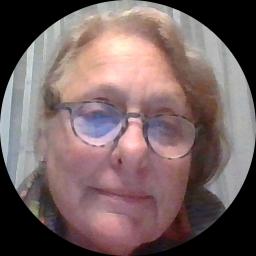
Eugenia Lindsey, LCSW
Virginia · 38 years in practice
Eugenia Lindsey is a licensed clinical social worker who helps people facing major life changes and painful emotions.
License and registration
- LCSW, Virginia
- 0904001996 · expires June 2026
- NPI
- 1730468935 · national provider identifier
- Years in practice
- 38
- Languages
- English, Spanish
Details are as listed on the therapist's public professional profile. You can check the license with the issuing state board, and the NPI with the national registry.
About Eugenia
Eugenia Lindsey is a licensed clinical social worker who helps people facing major life changes and painful emotions. She works with adults who are dealing with trauma, grief, depression, relationship pain, and challenges that affect daily life. Eugenia speaks English and Spanish and practices in Virginia.
She uses an existential lens to help people find meaning during difficult times. That often means talking about values, choices, and how a person wants to move forward after loss or upheaval.
Background and approach
She also draws on attachment-focused ideas to look at how early relationships still shape present feelings and behavior. Her style is client-centered, so sessions focus on what the person brings in that day. That means listening first, then helping a person name patterns, process emotions, and try different ways of coping.
She also uses narrative techniques to help people reframe painful stories about themselves. Eugenia has worked in clinical settings for 38 years, including supporting people after trauma, chronic illness, and during caregiving or end-of-life concerns. She has experience with issues such as parenting strain, adoption and foster care concerns, abandonment, family of origin problems, and first responder stress.
People who come to her can expect a steady, thoughtful approach that balances emotional work with practical steps. Sessions may include talking, focused reflection, and skills to manage sleep, anger, or day-to-day coping. The therapist aims to partner with each person to build clarity and resilience.
Focus areas and approaches
Everything Eugenia lists on their public professional profile, in their own terms.
- Trauma and abuse
- Grief
- Parenting issues
- Bipolar disorder
- Depression
- LGBT
- Intimacy-related issues
- Eating disorders
- Sleeping disorders
- Anger management
- Self esteem
- Coping with life changes
- ADHD
- Abandonment
- Adoption and foster care
- Attachment issues
- Blended family issues
- Cancer
- Caregiver issues and stress
- Chronic pain, illness, and disability
- Coping with natural or human-caused disaster
- Domestic violence
- Family of origin issues
- Family problems
- First responder issues
- Guilt and shame
- Hospice and end-of-life counseling
- Immigration issues
- Impulsivity
- Life purpose
- Multicultural concerns
- Personality disorders
- Postpartum depression
- Post-traumatic stress
- Pregnancy and childbirth
- Sexual assault and abuse
- Women's issues
- Young adult issues
Approaches Eugenia names
- Existential Therapy
- Attachment-Based Therapy
- Client-Centered Therapy
- Eye Movement Desensitization and Reprocessing (EMDR)
- Narrative Therapy
- Psychodynamic Therapy
- Solution-Focused Therapy
- Trauma-Focused Therapy
- Internal Family Systems
Naming an approach is not evidence of training in it. This directory copies what each therapist lists and does not check training records.
Online support
How her approaches work online
Existential Therapy here focuses on questions of meaning, choice, and purpose; sessions help people clarify values and decide how they want to live after loss or change. Attachment-Based Therapy looks at how early relationships shape current emotions and behavior, helping people understand patterns and develop more supported ways of relating. Client-Centered Therapy emphasizes listening and collaboration so the person leads the pace and topics while the therapist reflects and supports exploration.Finding the right approach is part of the work. The therapist will talk with the person about goals, preferences, and practical needs, then suggest a mix of methods. That collaborative process makes room for trying different angles until something feels helpful.
Online sessions are offered by video calls, phone, live chat, or text-based messaging to make therapy more flexible. Video is useful for longer, reflective sessions where seeing expressions matters. Phone sessions can fit shorter check-ins or times with limited bandwidth. Live chat and messaging are helpful for quick updates, brief coping tools, or when someone prefers writing over speaking. These options make it easier to keep therapy consistent around work, caregiving, or travel.
We will earn a commission if you sign up through our link, at no cost to you. It does not change what you pay or the order of the listings.
Questions people ask
What kinds of concerns does she address?
She helps people with trauma and abuse, grief, depression, bipolar disorder, parenting stress, intimacy issues, eating and sleeping problems, anger, self-esteem, ADHD, and coping with life changes.
What is her therapeutic style like?
Her work is client-centered and collaborative, combining existential questions about meaning with attachment and narrative approaches to process emotions and change patterns.
How much experience does she have?
She brings 38 years of clinical experience supporting people through trauma recovery, chronic illness adaptation, caregiver stress, and family systems concerns.
Where is she licensed and based?
She is a Licensed Clinical Social Worker (LCSW) practicing in Virginia.
Are sessions available in other languages?
Sessions are offered in English and Spanish.
Can people outside the U.S. work with her?
International clients are accepted for remote work according to licensing rules and scheduling.
What session formats does she use?
She meets by video calls, phone sessions, live chat, and text-based messaging to suit different needs and schedules.
How are costs handled and how do sessions start?
Cost varies with location and therapist availability and uses a subscription that can be canceled at any time. To begin, select the Start Therapy button, complete a short matching questionnaire, and schedule according to therapist availability.
More therapists in Virginia
See all
Angela Kennedy
LPC
Existential-informed counselor focused on practical change
- Stress, Anxiety
- Relationship
- Self esteem
Brenda Atkinson
LCSW, CSW
Experienced LCSW focused on life transitions
- Stress, Anxiety
- Relationship
- Family

Shannon Shackford
LPC
Guide for finding meaning and coping skills
- Stress, Anxiety
- Self esteem
- Depression

Is this your profile?
Ask us to correct details or take the page down.
Contact us