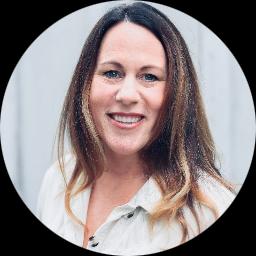
Sharon Meyers, LCSW
California · 25 years in practice
Sharon Meyers is a licensed clinical social worker who helps people feeling lost, overwhelmed, or stuck find clearer direction.
License and registration
- LCSW, California
- 106887 · expires February 2026
- NPI
- 1902530769 · national provider identifier
- Years in practice
- 25
- Languages
- English
Details are as listed on the therapist's public professional profile. You can check the license with the issuing state board, and the NPI with the national registry.
About Sharon
Sharon Meyers is a licensed clinical social worker who helps people feeling lost, overwhelmed, or stuck find clearer direction. She offers calm, steady support so clients can sort emotions and take small, practical steps forward. Sharon uses a straightforward style in sessions.
She listens closely, asks questions to clarify what matters, and works with each person to set realistic goals. Conversations focus on what is happening now and what can change next.
Background and approach
Her background includes 25 years of clinical experience as a Licensed Clinical Social Worker, LCSW, in California. Over that time she has supported people facing stress, anxiety, depression, grief, and career strain. She also works with parenting and pregnancy concerns, adoption and foster care questions, and complex family patterns.
Sharon draws on multiple approaches to meet different needs. She uses Existential therapy to address meaning and life transitions, Acceptance and Commitment Therapy to build values-driven action, and attachment-informed work to improve close relationships. She also integrates client-centered listening and hypnotherapy when appropriate.
Sessions aim to be practical and steady. Sharon helps people build coping skills, strengthen relationships, and regain a sense of purpose. She invites clients to move at a pace that feels manageable while tackling the issues that brought them in.
Focus areas and approaches
Everything Sharon lists on their public professional profile, in their own terms.
- Stress, Anxiety
- Relationship issues
- Grief
- Parenting issues
- Coping with life changes
- Family conflicts
- Trauma and abuse
- Intimacy-related issues
- Eating disorders
- Self esteem
- Career difficulties
- Depression
- Compassion fatigue
- Abandonment
- Adoption and foster care
- Attachment issues
- Blended family issues
- Cancer
- Caregiver issues and stress
- Codependency
- Commitment issues
- Control issues
- Coping with natural or human-caused disaster
- Divorce and separation
- Family of origin issues
- Family problems
- Fatherhood issues
- Fertility issues
- Forgiveness
- Guilt and shame
- Infidelity
- Isolation / loneliness
- Life purpose
- Midlife crisis
- Narcissism
- Postpartum depression
- Pregnancy and childbirth
- Self-love
- Sexuality
- Somatization
- Women's issues
- Young adult issues
Approaches Sharon names
- Existential Therapy
- Acceptance and Commitment Therapy (ACT)
- Attachment-Based Therapy
- Client-Centered Therapy
- Hypnotherapy
- Jungian Therapy
- Mindfulness Therapy
- Motivational Interviewing
- Narrative Therapy
- Psychodynamic Therapy
- Solution-Focused Therapy
- Somatic Therapy
Naming an approach is not evidence of training in it. This directory copies what each therapist lists and does not check training records.
Online support
Approach-driven care for online therapy
Existential therapy helps people look at life’s big questions and the changes that come with them. It focuses on meaning, choice, and the practical steps someone can take when life feels uncertain. Acceptance and Commitment Therapy, or ACT, teaches ways to notice thoughts and feelings without getting stuck and to take action that matches personal values. Attachment-Based Therapy looks at how early relationship patterns shape current connections and helps people build more supported ways of relating.Choosing the right approach is a team effort. The therapist will talk with each person about goals, preferences, and what feels most helpful. Together they try methods, adjust course, and pick tools that suit the client’s needs rather than assuming one fixed method.
Online work is offered via video calls, phone sessions, live chat, and text-based messaging to provide flexibility. Video calls are useful for full-session conversations and reading nonverbal cues. Phone sessions can fit a break at work or use less bandwidth. Live chat and text messaging allow short check-ins, homework discussion, or ongoing support between longer sessions. These options make it easier to fit therapy into a busy life while trying different therapeutic approaches.
We will earn a commission if you sign up through our link, at no cost to you. It does not change what you pay or the order of the listings.
Questions people ask
What kinds of problems does this therapist address?
She works with stress, anxiety, depression, grief, relationship and parenting concerns, trauma and abuse, eating and self-esteem issues, career strain, compassion fatigue, and many related family and life changes.
What is her therapeutic style like?
Her approach is conversational and practical. She blends existential questions about meaning with acceptance-based tools and attachment-informed work to help people take values-driven actions.
How much experience does she have?
She has 25 years of clinical experience as a Licensed Clinical Social Worker. That experience spans hospital, community, and outpatient settings.
What credentials and region apply to this therapist?
She is a Licensed Clinical Social Worker, LCSW, licensed in California and practices there.
Are sessions available in other languages or internationally?
Sessions are offered in English. She does not accept international clients at this time.
Which session formats are offered?
Sessions can be conducted by video calls, phone sessions, live chat, or text-based messaging to fit different schedules and needs.
How are costs handled for therapy?
Cost varies with location and therapist availability. Sessions are arranged through a subscription model that can be canceled at any time.
What are the first steps to begin working together?
Start by selecting the Start Therapy button, complete a short matching questionnaire, and then schedule sessions according to the therapist's availability.
More therapists in California
See allGian Sarabia
LMFT
Calm, practical help for life and relationships
- Trauma and abuse
- Intimacy-related issues
- Bipolar

Sherri Kardell
LMFT
Calm guidance through life’s painful transitions
- Relationship
- Family
- Trauma and abuse

Stacey Sugar
MD, LCPC, LPCC
Existential-informed therapist focused on meaning
- Stress, Anxiety
- Relationship
- Family

Is this your profile?
Ask us to correct details or take the page down.
Contact us