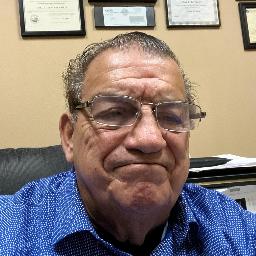
Earl Barrios, LPCC
California · 38 years in practice
Earl Barrios is a Licensed Professional Clinical Counselor with 38 years of experience based in California.
License and registration
- LPCC, California
- 229 · expires July 2026
- NPI
- 1356558308 · national provider identifier
- Years in practice
- 38
- Languages
- English
Details are as listed on the therapist's public professional profile. You can check the license with the issuing state board, and the NPI with the national registry.
About Earl
Earl Barrios is a Licensed Professional Clinical Counselor with 38 years of experience based in California. He centers work on helping people navigate stress, anxiety, depression, and trauma. Earl approaches conversations with respect for each person's story and strengths.
He uses Existential therapy to help clients examine meaning, choice, and purpose when life feels confusing or stuck. He also draws on Cognitive Behavioral Therapy to identify unhelpful thoughts and try practical changes in daily routines.
Background and approach
For trauma he may use EMDR as one possible tool alongside other methods. Earl has long experience addressing relationship and family concerns in one-on-one sessions. He helps people address communication problems, coping after divorce and separation, and challenges in parenting.
He also supports those facing mood disorders, bipolar symptoms, panic attacks, and obsessive or compulsive behaviors. Other areas he works with include identity and gender dysphoria concerns, LGBTQ issues, anger and impulsivity, issues connected to military service, and questions about life purpose and midlife transition. He also assists people with intellectual disability and those dealing with narcissistic or attachment-related patterns.
Sessions aim to be practical and grounded. Earl helps people clarify what matters to them, set realistic steps, and practice new ways of relating to themselves and others. He invites collaboration and focuses on what can change now.
Focus areas and approaches
Everything Earl lists on their public professional profile, in their own terms.
- Stress, Anxiety
- Relationship issues
- Family conflicts
- Trauma and abuse
- Depression
- LGBT
- Parenting issues
- Anger management
- Bipolar disorder
- Coaching
- ADHD
- Attachment issues
- Communication problems
- Divorce and separation
- Gender dysphoria
- Impulsivity
- Intellectual disability
- Jealousy
- Life purpose
- Men's issues
- Midlife crisis
- Veteran and Armed Forces Issues
- Mood disorders
- Narcissism
- Obsessions, compulsions, and OCD
- Panic disorder and panic attacks
- Paranoia
- Personality disorders
- Phobias
- Postpartum depression
- Post-traumatic stress
- Process addiction (porn, exercise, gambling)
- Seasonal Affective Disorder (SAD)
- Self-harm
- Sex addiction
- Sexual assault and abuse
- Social anxiety and phobia
- Workplace issues
Approaches Earl names
- Existential Therapy
- Cognitive Behavioral Therapy (CBT)
- Eye Movement Desensitization and Reprocessing (EMDR)
- Gottman Method
- Mindfulness Therapy
- Narrative Therapy
- Psychodynamic Therapy
- Trauma-Focused Therapy
- Internal Family Systems
Naming an approach is not evidence of training in it. This directory copies what each therapist lists and does not check training records.
Online support
Approaches for online work and how they help
Existential therapy invites conversations about meaning, choice, and what matters most. It can help when someone feels stuck, questions identity, or faces major life transitions by exploring values and goals together.Cognitive Behavioral Therapy, or CBT, focuses on the links between thoughts, feelings, and actions. It offers practical exercises to test unhelpful beliefs and try small behavior changes that reduce anxiety or low mood.
EMDR is a trauma-focused option that uses structured processing to address distressing memories and their emotional impact. It is used alongside talk-based work when trauma symptoms are a central concern.
Finding the right approach is part of the therapeutic process. The therapist will work collaboratively to choose which methods fit your needs, goals, and comfort level. That choice can change over time as progress is made.
Online sessions are offered by video calls, phone sessions, live chat, or text-based messaging to fit different schedules and preferences. Video lets you have face-to-face conversation; phone works well when bandwidth is limited or for shorter check-ins. Chat and text are useful for brief updates, coaching-style support, or when writing feels easier. These options make it easier to keep therapy consistent while fitting into daily life.
We will earn a commission if you sign up through our link, at no cost to you. It does not change what you pay or the order of the listings.
Questions people ask
What concerns does Earl commonly address?
He helps people with stress, anxiety, depression, trauma and abuse, relationship and family issues, and parenting challenges. He also works with mood disorders, bipolar symptoms, panic attacks, OCD, and questions about life purpose.
How would you describe his therapeutic style?
He blends an existential outlook with practical methods like CBT and EMDR when appropriate. The work focuses on personal meaning, changing unhelpful thoughts, and trying concrete steps between sessions.
What kind of professional background does he have?
He brings 38 years of professional experience helping people with a wide range of emotional and relational concerns. His long practice includes work with trauma, relationship conflict, and mood issues.
Where is he licensed and located?
He is a Licensed Professional Clinical Counselor with the CA LPCC credential and practices from California.
Which languages are available for sessions?
Sessions are offered in English and he also accepts international clients.
What session formats are offered?
He offers video calls, phone sessions, live chat, and text-based messaging to accommodate different needs and schedules.
How are costs handled for sessions?
Costs vary with location and therapist availability and sessions use a subscription that can be canceled at any time.
How do I begin working with him?
Start by selecting the Start Therapy button and completing a short matching questionnaire. Then schedule sessions according to the therapist's availability.
More therapists in California
See allGian Sarabia
LMFT
Calm, practical help for life and relationships
- Trauma and abuse
- Intimacy-related issues
- Bipolar


Sherri Kardell
LMFT
Calm guidance through life’s painful transitions
- Relationship
- Family
- Trauma and abuse

Stacey Sugar
MD, LCPC, LPCC
Existential-informed therapist focused on meaning
- Stress, Anxiety
- Relationship
- Family

Is this your profile?
Ask us to correct details or take the page down.
Contact us