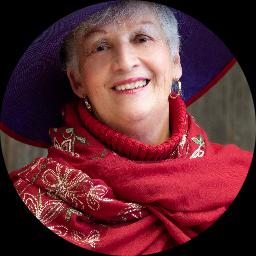
Vicki Marcum, LCSW
Illinois · 40 years in practice
Vicki Marcum is a licensed clinical social worker with 40 years of clinical experience.
License and registration
- LCSW, Illinois
- 149008067 · expires November 2027
- NPI
- 1154494193 · national provider identifier
- Years in practice
- 40
- Languages
- English
Details are as listed on the therapist's public professional profile. You can check the license with the issuing state board, and the NPI with the national registry.
About Vicki
Vicki Marcum is a licensed clinical social worker with 40 years of clinical experience. She practices from a person-centered stance at the start of care, building trust and listening closely before moving into other approaches. Her work focuses on everyday struggles like stress, anxiety, grief, parenting strains, depression, relationship and family concerns, and managing life changes.
Over four decades she has practiced in many settings, including inpatient psychiatric units, outpatient community mental health, emergency and crisis services, schools, and community agencies in Illinois.
Background and approach
She has handled work with adults who have chronic mental illness, case management roles, and services within the child welfare system. That variety informs how she tailors sessions to each person. Her style begins client-centered and then shifts to the approaches that match the issue and the person.
She uses tools from Attachment-Based Therapy, Cognitive Behavioral Therapy, Emotionally-Focused Therapy, and Existential Therapy when those methods fit the goals. The room is collaborative: the client leads and she offers guidance, questions, and occasional challenges. Vicki emphasizes practical support.
She helps people sort options, try new behaviors, and reframe difficult thoughts. Sessions can include discussion, skill practice, and focusing on relationships or meaning when that is helpful. She communicates with compassion and directness.
People can expect moments of listening, some gentle pushing when needed, and shared work toward clearer choices and greater self-understanding.
Focus areas and approaches
Everything Vicki lists on their public professional profile, in their own terms.
- Stress, Anxiety
- Trauma and abuse
- Grief
- Parenting issues
- Depression
- Relationship issues
- Family conflicts
- Intimacy-related issues
- Eating disorders
- Anger management
- Self esteem
- Career difficulties
- Bipolar disorder
- Coping with life changes
- Compassion fatigue
- ADHD
- Abandonment
- Adoption and foster care
- Antisocial personality
- Attachment issues
- Blended family issues
- Body image
- Codependency
- Commitment issues
- Communication problems
- Control issues
- Coping with natural or human-caused disaster
- Dependent personality
- Divorce and separation
- Domestic violence
- Family of origin issues
- Family problems
- Fatherhood issues
- Forgiveness
- Guilt and shame
- Isolation / loneliness
- Life purpose
- Midlife crisis
- Veteran and Armed Forces Issues
- Mood disorders
- Personality disorders
- Postpartum depression
- Post-traumatic stress
- Pregnancy and childbirth
- Prejudice and discrimination
- Self-harm
- Sexual assault and abuse
- Social anxiety and phobia
- Women's issues
- Workplace issues
Approaches Vicki names
- Existential Therapy
- Attachment-Based Therapy
- Client-Centered Therapy
- Cognitive Behavioral Therapy (CBT)
- Emotionally-Focused Therapy (EFT)
- Eye Movement Desensitization and Reprocessing (EMDR)
- Mindfulness Therapy
- Narrative Therapy
- Psychodynamic Therapy
- Solution-Focused Therapy
- Trauma-Focused Therapy
Naming an approach is not evidence of training in it. This directory copies what each therapist lists and does not check training records.
Online support
Therapeutic approaches that fit your life online
Vicki often blends approaches to match each person's needs. Existential Therapy looks at meaning, choice, and how people face life changes; it can help when someone feels stuck or questions purpose. Attachment-Based Therapy focuses on patterns in close relationships and helps people understand how early bonds shape current trust and connection. Client-Centered Therapy centers on listening and building a trusting relationship first, giving people space to lead the work and set goals.Deciding which approach to use is a team effort. The therapist will talk with the client about goals, try methods that seem promising, and adjust based on progress and preference. That collaboration helps make sure the work feels useful and fits personality and needs.
Online therapy offers practical flexibility. Video calls let people see nonverbal cues and hold more in-depth conversations. Phone sessions work well when bandwidth is limited or for shorter check-ins. Live chat or text messaging can make it easier to fit therapy into a busy day and to keep a running conversation between sessions. These formats help people access consistent support without major travel or schedule disruption.
We will earn a commission if you sign up through our link, at no cost to you. It does not change what you pay or the order of the listings.
Questions people ask
What kinds of issues does she address?
She helps with stress, anxiety, depression, trauma and abuse, grief, parenting concerns, relationship and family issues, eating and body image, anger, self-esteem, ADHD, bipolar, career concerns, and coping with life changes.
How would you describe her therapeutic style?
Her approach begins client-centered to build trust and then shifts to whatever method fits the problem and the person's style. She works collaboratively and will challenge unhelpful beliefs when appropriate.
What is her clinical background and experience?
She brings 40 years of clinical experience across inpatient psychiatric care, outpatient community mental health, emergency and crisis services, schools, and community agencies.
What credentials and location are listed?
She is an LCSW licensed in Illinois and practices with experience in multiple clinical settings throughout the state.
Are sessions available in other languages or internationally?
Sessions are offered in English. She is not accepting international clients at this time.
Which session formats are offered?
Therapy is available via video calls, phone sessions, live chat, and text-based messaging to suit different preferences and schedules.
How does billing and cost work?
Cost varies with location and therapist availability; sessions use a subscription model that can be canceled at any time.
What are the steps to begin working together?
Start by selecting the Start Therapy button, complete a short matching questionnaire, and then schedule sessions based on the therapist's availability.
More therapists in Illinois
See allVadim Sitnyakovskiy
LCPC
Insight-focused counselor helping people find meaning
- Stress, Anxiety
- Self esteem
- Depression

Shelia Cisco
LCPC
Compassionate guide for relationship and identity work
- Relationship
- Trauma and abuse
- Intimacy-related issues


Kenneth Catalanotte
LCSW
Existential-minded LCSW focused on meaning
- Trauma and abuse
- Grief
- Self esteem
Is this your profile?
Ask us to correct details or take the page down.
Contact us