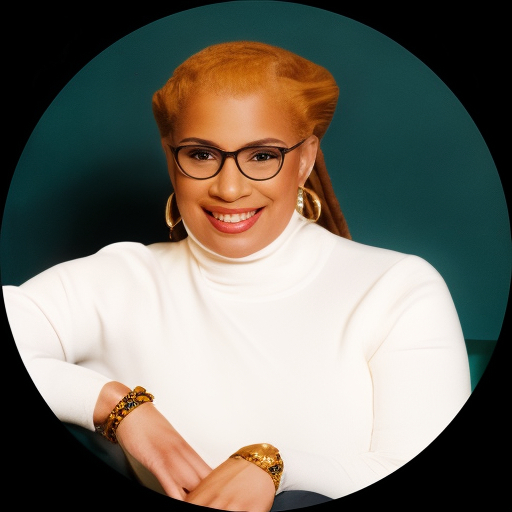
Shakina Small, LPC
Pennsylvania · 26 years in practice
Shakina Small, LPC, centers her work on helping people make sense of life’s big questions and painful moments.
License and registration
- LPC, Pennsylvania
- PC016304 · expires February 2027
- NPI
- 1174260806 · national provider identifier
- Years in practice
- 26
- Languages
- English
Details are as listed on the therapist's public professional profile. You can check the license with the issuing state board, and the NPI with the national registry.
About Shakina
Shakina Small, LPC, centers her work on helping people make sense of life’s big questions and painful moments. She combines an existential perspective with practical tools to help people address relationship struggles, trauma, parenting stress, and problems with self-worth. Shakina offers straightforward, compassionate support to people seeking direction and relief.
She draws on 26 years of clinical experience in a wide range of settings. That background includes work in schools, residential programs, foster care, inpatient and outpatient settings, and correctional environments.
Background and approach
This experience shapes the way she notices patterns and helps people identify underlying issues such as abandonment, attachment wounds, or family conflict. Sessions are conversational and goal-focused. She uses client-centered techniques to listen and reflect what matters most to each person.
Cognitive behavioral strategies are used to spot unhelpful thinking and try different behaviors between sessions. When emotions run high, she may introduce elements of dialectical behavior therapy to teach emotion regulation and distress tolerance. Emotionally-focused methods guide work on closeness, communication, and rebuilding trust when intimacy or attachment are strained.
Shakina aims to help people break recurring patterns that keep them stuck. She works with concerns including addiction, bipolar disorder, anger, career issues, ADHD, and coping with life changes. Her practice also addresses adoption and foster care issues, blended family dynamics, body image, codependency, and separation or divorce.
People who choose her can expect clear communication, practical exercises, and compassionate challenge when needed. Shakina practices in Pennsylvania and provides services in English.
Focus areas and approaches
Everything Shakina lists on their public professional profile, in their own terms.
- Relationship issues
- Family conflicts
- Trauma and abuse
- Self esteem
- Addictions
- Intimacy-related issues
- Parenting issues
- Anger management
- Career difficulties
- Bipolar disorder
- Coping with life changes
- ADHD
- Abandonment
- Adoption and foster care
- Attachment issues
- Blended family issues
- Body image
- Codependency
- Commitment issues
- Communication problems
- Control issues
- Divorce and separation
- Domestic violence
- Drug and alcohol addiction
- Emptiness
- Family problems
- Fatherhood issues
- Forgiveness
- Guilt and shame
- Infidelity
- Intellectual disability
- Isolation / loneliness
- Life purpose
- Money and financial issues
- Mood disorders
- Panic disorder and panic attacks
- Post-traumatic stress
- Self-love
- Sex addiction
- Social anxiety and phobia
- Women's issues
- Young adult issues
Approaches Shakina names
- Existential Therapy
- Client-Centered Therapy
- Cognitive Behavioral Therapy (CBT)
- Dialectical Behavior Therapy (DBT)
- Emotionally-Focused Therapy (EFT)
- Motivational Interviewing
- Psychodynamic Therapy
- Solution-Focused Therapy
- Trauma-Focused Therapy
- Internal Family Systems
Naming an approach is not evidence of training in it. This directory copies what each therapist lists and does not check training records.
Online support
Existential and Practical Approaches for Online Care
Shakina draws on existential ideas to help people face big questions about meaning, responsibility, and choice. This approach helps when life changes feel empty or when past losses make it hard to move forward. She pairs that with client-centered work that focuses on listening, validation, and following what the person says matters most.Cognitive behavioral techniques are also used to identify unhelpful thoughts and test new behaviors. These tools are helpful for mood concerns, anxiety, ADHD-related struggles, and changing patterns that show up in relationships. Together these approaches aim to link deeper meaning-making with practical steps people can try between sessions.
Finding the right mix is a collaborative process. The therapist will talk with each person about goals, preferences, and what has helped or not helped before. Then she tailors approaches over time so the work fits the person’s needs rather than forcing a single method.
Online sessions are offered by video call, phone, live chat, or text-based messaging to increase flexibility. Video allows face-to-face conversation and visual cues, phone can be a simpler option with lower bandwidth needs, and messaging supports brief check-ins or written reflections. These formats make it easier to fit therapy around work, parenting, and other commitments.
We will earn a commission if you sign up through our link, at no cost to you. It does not change what you pay or the order of the listings.
Questions people ask
What problems does she help with?
She works with relationship and family challenges, trauma and abuse, self-esteem, addictions, intimacy concerns, parenting stress, anger, career questions, bipolar disorder, ADHD, and coping with life changes.
What is her therapy style like?
Her style is empathetic and direct when needed, with conversational sessions that mix listening, reflection, and practical exercises to address real-life problems.
How long has she practiced clinically?
She has 26 years of experience working as a psychotherapist in diverse settings including schools, residential programs, foster care, inpatient and outpatient care, and correctional facilities.
Where is she licensed and located?
She is a Licensed Professional Counselor (LPC) practicing in Pennsylvania.
Which languages are supported for sessions?
Sessions are offered in English.
What session formats are offered online?
She provides video calls, phone sessions, live chat, and text-based messaging as ways to connect for therapy.
How do fees and payments work?
Cost varies with location and therapist availability; sessions use a subscription model that can be canceled at any time.
How do I begin working with her?
Start by selecting the Start Therapy button and completing a short matching questionnaire, then schedule sessions according to therapist availability.
More therapists in Pennsylvania
See allElizabeth Smith
LPC
Calm, practical help for life’s hard moments
- Stress, Anxiety
- Trauma and abuse
- Grief
Jan Horner
LPC
Hopeful, grounded counseling focused on meaning
- Relationship
- Family
- Intimacy-related issues

Yolanda Aguinaga
LPC
Experienced counselor focused on real-life change
- Stress, Anxiety
- Addictions
- Relationship

James Joseph Beaulieu
LPC
Supportive counselor focused on meaning and change
- Addictions
- Relationship
- Family

Is this your profile?
Ask us to correct details or take the page down.
Contact us