
Munsu Kwon, MD, LCPC
Maryland · 24 years in practice
Munsu Kwon is a Maryland-based therapist who helps people facing stress, anxiety, depression, bipolar symptoms, grief, trauma, and compassion fatigue.
License and registration
- LCPC, Maryland
- LC1945 · expires January 2027
- NPI
- 1750446779 · national provider identifier
- Years in practice
- 24
- Languages
- English, Korean
Details are as listed on the therapist's public professional profile. You can check the license with the issuing state board, and the NPI with the national registry.
About Munsu
Munsu Kwon is a Maryland-based therapist who helps people facing stress, anxiety, depression, bipolar symptoms, grief, trauma, and compassion fatigue. He combines clear talk with practical steps so people can manage day-to-day challenges. Munsu uses simple language and short-term goals to make sessions feel focused and doable.
He has 24 years of clinical experience and holds an MD and a Licensed Clinical Professional Counselor credential. His background includes work with severe mental illness and mood-related conditions, and that experience shapes how he plans care and next steps.
Background and approach
He explains options plainly and outlines when a different level of care might be helpful. Munsu draws on several therapeutic approaches to tailor sessions to each person. He uses Client-Centered Therapy to build a respectful, nonjudgmental space.
He also incorporates cognitive behavioral skills to help people change unhelpful thinking patterns. Sessions often focus on coping strategies, problem solving, and handling life changes. He can discuss family dynamics and how past relationships affect current stress.
He also addresses substance use concerns and reactions after disasters or trauma. Appointments are available in English and Korean and can be done by video, phone, live chat, or text-based messaging. New clients start by completing a short matching questionnaire and scheduling according to the therapist's availability.
Focus areas and approaches
Everything Munsu lists on their public professional profile, in their own terms.
- Stress, Anxiety
- Self esteem
- Bipolar disorder
- Depression
- Coping with life changes
- Trauma and abuse
- Grief
- Compassion fatigue
- Attachment issues
- Avoidant personality
- Coping with natural or human-caused disaster
- Dependent personality
- Domestic violence
- Drug and alcohol addiction
- Family of origin issues
- Hospice and end-of-life counseling
- Immigration issues
- Intellectual disability
- Multicultural concerns
- Obsessions, compulsions, and OCD
- Paranoia
- Phobias
- Post-traumatic stress
- Self-harm
- Social anxiety and phobia
Approaches Munsu names
- Existential Therapy
- Acceptance and Commitment Therapy (ACT)
- Client-Centered Therapy
- Cognitive Behavioral Therapy (CBT)
- Dialectical Behavior Therapy (DBT)
Naming an approach is not evidence of training in it. This directory copies what each therapist lists and does not check training records.
Online support
How different approaches are used in online therapy
Existential Therapy helps people examine meaning, choice, and the personal values that guide daily life; it can be useful when life changes feel overwhelming or when someone questions their direction. Acceptance and Commitment Therapy (ACT) focuses on accepting difficult thoughts and feelings while taking steps toward meaningful goals, which helps with anxiety, depression, and coping with change. Client-Centered Therapy emphasizes listening and respect so people feel heard and can explore concerns at their own pace.Choosing an approach is a collaborative process. The therapist will discuss goals, preferences, and current needs, then suggest which methods to try first. Plans are adjusted over time based on what the person finds helpful.
Online sessions offer practical benefits. Video calls let the therapist and client see nonverbal cues for deeper conversations. Phone sessions can work well when bandwidth is limited or when someone prefers not to be on camera. Live chat and text-based messaging are useful for brief check-ins, homework support, or when a shorter, more flexible contact fits a busy schedule. These options make it easier to fit therapy into work, family, and daily life while using the therapist's chosen approaches.
We will earn a commission if you sign up through our link, at no cost to you. It does not change what you pay or the order of the listings.
Questions people ask
What concerns does this therapist commonly address?
He works with stress, anxiety, depression, bipolar symptoms, trauma, grief, and compassion fatigue, and also addresses related issues like attachment concerns, OCD symptoms, substance use, and post-traumatic stress.
How would you describe the therapy style and approach?
The approach blends an existential outlook with client-centered listening and skills-based methods such as CBT and ACT to create practical steps for daily life.
What is the therapist's professional background?
The therapist has 24 years of experience and has worked extensively with severe mental illness and mood-related conditions, which informs care planning and referrals.
What credentials and location are listed for this therapist?
He holds an MD and is a Licensed Clinical Professional Counselor (LCPC) practicing in Maryland.
Which languages are available for sessions?
Sessions are offered in English and Korean.
What session formats are offered online?
Sessions can be scheduled as video calls, phone sessions, live chat, or text-based messaging depending on the client's needs.
How is cost structured for therapy?
Cost varies with location and therapist availability; sessions use a subscription that can be canceled at any time.
How do I begin working with this therapist?
Start by selecting the Start Therapy button, complete a short matching questionnaire, and then schedule sessions based on the therapist's availability.
More therapists in Maryland
See allSabrina Sahle
MD, LCSW-C
Compassionate therapist focused on meaning and change
- Stress, Anxiety
- Relationship
- Family

Dr. Allison Bethea
MD
Experienced clinician focusing on meaning and coping
- Stress, Anxiety
- LGBT
- Parenting
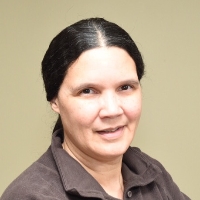
Janet Nealer
MD, LCMFT
Seasoned clinician focusing on meaning and practical change
- Stress, Anxiety
- Relationship
- Family

Dr. Daphne Washington
MD, LCPC
Mindful, practical support for life changes
- Stress, Anxiety
- Self esteem
- Compassion fatigue

Is this your profile?
Ask us to correct details or take the page down.
Contact us