
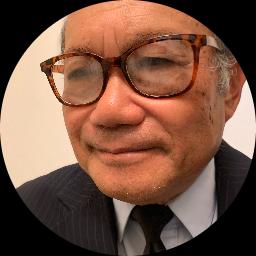
Kenichi Takahashi, LMFT
California · 13 years in practice
Kenichi Takahashi is a licensed marriage and family therapist with 13 years of clinical experience in California.
License and registration
- LMFT, California
- 53903 · expires March 2027
- NPI
- 1811144041 · national provider identifier
- Years in practice
- 13
- Languages
- English
Details are as listed on the therapist's public professional profile. You can check the license with the issuing state board, and the NPI with the national registry.
About Kenichi
Kenichi Takahashi is a licensed marriage and family therapist with 13 years of clinical experience in California. He focuses on helping people who are weighed down by stress, anxiety, trauma, addiction, relationship and intimacy struggles, grief, low self-esteem, and compassion fatigue. He uses straightforward conversation to help people make sense of painful patterns and find practical next steps.
He draws on Existential ideas to help clients name what matters to them and face life decisions with clearer intention.
Background and approach
Kenichi also uses client-centered methods to follow each person’s pace and priorities during sessions. When trauma is present he integrates EMDR and somatic techniques to address strong bodily and emotional reactions. Sessions are conversational and paced to each person’s needs.
He aims to be respectful, sensitive, and calm while helping clients develop coping skills and new ways of relating to themselves. Work may include grounding practices, mindfulness exercises, and movement-based strategies to reduce overwhelm. Kenichi has extensive experience with panic attacks, phobias, post-traumatic stress, addiction, ADHD, attachment and abandonment issues, and multicultural or immigration-related stress.
He shapes treatment to the specific problem and the person’s background rather than offering a one-size-fits-all plan. People who reach out can expect a collaborative process that balances insight with practical tools. Kenichi encourages small steps and regular check-ins so progress feels manageable.
He supports clients as they reconnect with parts of themselves and move toward clearer, more intentional living.
Focus areas and approaches
Everything Kenichi lists on their public professional profile, in their own terms.
- Stress, Anxiety
- Trauma and abuse
- Addictions
- Relationship issues
- Grief
- Intimacy-related issues
- Self esteem
- Depression
- Compassion fatigue
- ADHD
- Abandonment
- Attachment issues
- Drug and alcohol addiction
- Immigration issues
- Multicultural concerns
- Panic disorder and panic attacks
- Phobias
- Post-traumatic stress
- Social anxiety and phobia
- Somatization
Approaches Kenichi names
- Existential Therapy
- Client-Centered Therapy
- Eye Movement Desensitization and Reprocessing (EMDR)
- Mindfulness Therapy
- Somatic Therapy
- Trauma-Focused Therapy
Naming an approach is not evidence of training in it. This directory copies what each therapist lists and does not check training records.
Online support
Therapeutic approaches for online healing
Existential Therapy invites clients to name what matters most and to face difficult choices with more clarity. It focuses on meaning, responsibility, and the values that guide daily life, which can help when someone feels stuck or disconnected.Client-Centered Therapy centers the person’s experience and pacing. The therapist follows the client’s lead, offering empathy and reflection so people can explore feelings and make changes at their own speed.
EMDR is used when trauma has left strong emotional or bodily reactions. It involves structured attention and guided processing to help reduce the intensity of traumatic memories and related triggers.
Finding the right mix of approaches is part of the work. The therapist will discuss goals, preferences, and how symptoms show up, then collaborate to try methods that fit each person’s needs. Adjustments are made over time so the plan stays useful.
Online sessions offer practical flexibility. Video calls allow face-to-face conversation and exercises that benefit from seeing one another. Phone sessions can be easier when video is not preferred or bandwidth is limited. Live chat and text-based messaging support brief check-ins, journaling prompts, or focused follow-up between sessions. These options help people fit therapy into work, family, and daily life.
We will earn a commission if you sign up through our link, at no cost to you. It does not change what you pay or the order of the listings.
Questions people ask
What kinds of concerns does Kenichi address?
He helps with stress, anxiety, depression, trauma and abuse, addictions, relationship and intimacy issues, grief, self-esteem, compassion fatigue, and ADHD, plus related issues like panic, phobias, and post-traumatic stress.
How would you describe his therapeutic style?
He blends client-centered listening with Existential questioning to clarify values and choices, and uses trauma-focused tools when needed to address intense emotional or bodily reactions.
What is his professional background?
He has 13 years of clinical experience working in California and has used a range of trauma and mindfulness approaches in his practice.
Where is he licensed and practicing?
He is a California licensed marriage and family therapist (LMFT) practicing in California.
Can sessions be conducted in other languages or internationally?
Sessions are offered in English. He is not currently accepting international clients.
What session formats are available?
Work can take place through video calls, phone sessions, live chat, or text-based messaging depending on what fits the client.
How are costs and payment handled?
Cost varies with location and therapist availability; sessions use a subscription model that can be canceled at any time.
How do I begin working with him?
Start by selecting the Start Therapy button, complete a short matching questionnaire, and schedule sessions based on therapist availability.
More therapists in California
See allGian Sarabia
LMFT
Calm, practical help for life and relationships
- Trauma and abuse
- Intimacy-related issues
- Bipolar

Sherri Kardell
LMFT
Calm guidance through life’s painful transitions
- Relationship
- Family
- Trauma and abuse

Stacey Sugar
MD, LCPC, LPCC
Existential-informed therapist focused on meaning
- Stress, Anxiety
- Relationship
- Family

Is this your profile?
Ask us to correct details or take the page down.
Contact us