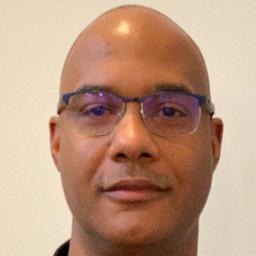
Earle Martin, LPCC
Ohio · 17 years in practice
Earle Martin is a licensed professional clinical counselor (LPCC) practicing in Ohio.
License and registration
- LPCC, Ohio
- E.0500252-SUPV · expires July 2026
- NPI
- 1144751033 · national provider identifier
- Years in practice
- 17
- Languages
- English
Details are as listed on the therapist's public professional profile. You can check the license with the issuing state board, and the NPI with the national registry.
About Earle
Earle Martin is a licensed professional clinical counselor (LPCC) practicing in Ohio. He brings 17 years of experience across inpatient, outpatient, and partial hospitalization settings. He approaches therapy with a focus on helping people manage life’s difficult moments in practical ways.
He favors an approach that recognizes mind, body, and spirit are connected. Sessions tend to focus on clear skills and honest conversation. Earle draws on techniques that help with mood, worry, and coping so clients can handle day-to-day demands more easily.
Background and approach
Earle has worked with people facing depression, anxiety, personality challenges, addiction, and major life transitions. He also addresses concerns like grief, caregiving stress, sleep and eating struggles, and workplace or career pressures. When relevant, he helps people navigate relationship and intimacy issues in one-on-one work.
His style blends client-centered listening with practical methods such as cognitive behavioral techniques, mindfulness, and elements of dialectical and existential thinking. That mix is aimed at helping people make choices that fit their values and circumstances. Outside of therapy, he enjoys outdoor activities, fitness, fishing, camping, and learning about cultures and history.
Those interests inform a straightforward, down-to-earth approach in sessions.
Focus areas and approaches
Everything Earle lists on their public professional profile, in their own terms.
- Stress, Anxiety
- Addictions
- Grief
- Parenting issues
- Depression
- LGBT
- Relationship issues
- Family conflicts
- Trauma and abuse
- Intimacy-related issues
- Eating disorders
- Sleeping disorders
- Anger management
- Self esteem
- Career difficulties
- Bipolar disorder
- Coping with life changes
- Coaching
- Compassion fatigue
- ADHD
- Abandonment
- Adoption and foster care
- Aging and geriatric issues
- Antisocial personality
- Blended family issues
- Cancer
- Caregiver issues and stress
- Chronic pain, illness, and disability
- Codependency
- Commitment issues
- Communication problems
- Control issues
- Divorce and separation
- Domestic violence
- Drug and alcohol addiction
- Eating and food-related issues
- Family of origin issues
- Family problems
- Fatherhood issues
- Fertility issues
- First responder issues
- Forgiveness
- Guilt and shame
- HIV / AIDS
- Hospice and end-of-life counseling
- Impulsivity
- Infidelity
- Intellectual disability
- Isolation / loneliness
- Jealousy
- Life purpose
- Men's issues
- Midlife crisis
- Veteran and Armed Forces Issues
- Money and financial issues
- Mood disorders
- Multicultural concerns
- Narcissism
- Obsessions, compulsions, and OCD
- Panic disorder and panic attacks
- Personality disorders
- Phobias
- Polyamory / non-monogamous relationships
- Postpartum depression
- Post-traumatic stress
- Pregnancy and childbirth
- Prejudice and discrimination
- Process addiction (porn, exercise, gambling)
- Seasonal Affective Disorder (SAD)
- Self-harm
- Self-love
- Sex addiction
- Sexual assault and abuse
- Sexuality
- Smoking / vaping cessation
- Social anxiety and phobia
- Traumatic brain injury
- Trichotillomania
- Visually impaired
- Workplace issues
- Young adult issues
Approaches Earle names
- Existential Therapy
- Client-Centered Therapy
- Cognitive Behavioral Therapy (CBT)
- Dialectical Behavior Therapy (DBT)
- Mindfulness Therapy
- Motivational Interviewing
- Solution-Focused Therapy
Naming an approach is not evidence of training in it. This directory copies what each therapist lists and does not check training records.
Online support
How existential and practical approaches work online
Existential therapy focuses on big questions about meaning, choice, and responsibility. It helps people facing life transitions, grief, or feelings of emptiness by inviting honest reflection about values and what matters. Client-centered therapy centers the person’s experience and uses active listening so the client feels heard and understood while deciding on next steps.Cognitive Behavioral Therapy, or CBT, looks at the link between thoughts, feelings, and actions. It offers hands-on strategies to change unhelpful thinking and behaviors, which can reduce anxiety, improve mood, and support better daily routines. The therapist will work collaboratively to decide which approach or combination fits each person’s goals and preferences.
Online sessions can be scheduled as video calls, phone sessions, live chat, or text-based messaging. Video sessions are useful for face-to-face conversation and teaching skills. Phone sessions require less bandwidth and can fit into a work break. Live chat and messaging allow brief check-ins and ongoing support without a full session. These options make therapy more flexible and easier to fit into a busy life while letting the therapist and client focus on the methods that help most.
We will earn a commission if you sign up through our link, at no cost to you. It does not change what you pay or the order of the listings.
Questions people ask
What concerns does this therapist help with?
Earle works with many issues including stress, anxiety, depression, addictions, grief, parenting concerns, LGBT matters, relationship and intimacy issues, sleeping and eating problems, anger, self-esteem, career stress, bipolar disorder, ADHD, and coping with life changes.
What is the therapist's approach and session style?
Sessions combine client-centered listening with practical tools from cognitive behavioral therapy, mindfulness practices, dialectical strategies, and existential ideas to help people clarify values and change unhelpful patterns.
How much clinical experience does he have?
He has 17 years of clinical experience working across inpatient, outpatient, and partial hospitalization settings.
What credentials and location are listed?
He holds the LPCC credential and practices in Ohio.
Which languages are sessions offered in and can international clients join?
Sessions are offered in English. International clients are not currently accepted.
What session formats are available?
Therapy is offered via video calls, phone sessions, live chat, and text-based messaging to match different scheduling and communication needs.
How does payment and cost work?
Cost varies by location and therapist availability; sessions use a subscription model that can be canceled at any time.
How do I begin therapy with this clinician?
Start by selecting the Start Therapy button, complete a short matching questionnaire, and schedule sessions according to the therapist's availability.
More therapists in Ohio
See all
Timothy Schuerr
LISW
Helping people find meaning and practical change
- Stress, Anxiety
- Family
- Parenting

Haven Ohly
LISW
Compassionate, practical therapy for life’s hard moments
- Stress, Anxiety
- Addictions
- Relationship

Mary Van Hooser
LISW
Practical support for real-life struggles
- Addictions
- Trauma and abuse
- Self esteem

Is this your profile?
Ask us to correct details or take the page down.
Contact us