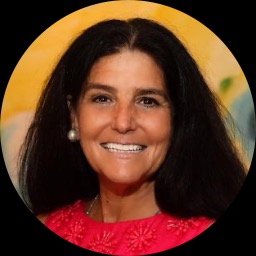
Charlotte Lajoie, LMHC
Florida · 18 years in practice
Charlotte Lajoie is a licensed mental health counselor (LMHC) practicing in Florida with 18 years of experience.
License and registration
- LMHC, Florida
- MH8322 · expires March 2027
- NPI
- 1225227564 · national provider identifier
- Years in practice
- 18
- Languages
- English
Details are as listed on the therapist's public professional profile. You can check the license with the issuing state board, and the NPI with the national registry.
About Charlotte
Charlotte Lajoie is a licensed mental health counselor (LMHC) practicing in Florida with 18 years of experience. She focuses on relationship strains, trauma and abuse, self-esteem, and coping with life changes while offering coaching to help people move forward. She began her work in a psychiatric hospital and community mental health settings before opening a independent practice.
That path gave her broad exposure to different life situations and common crises.
Background and approach
She brings practical tools from cognitive behavioral therapy and mindfulness to sessions. Existential ideas also guide conversations about meaning, choice, and values. Sessions are conversational and goal-oriented.
She listens for what matters most, then tailors the plan to the person in front of her. That can mean skills practice for anxiety, clearer communication strategies for relationship issues, or reflection about life transitions and identity. Charlotte pays attention to how the nervous system shows up in stress and healing.
She weaves mindfulness exercises and ACT-informed acceptance and values work into therapy when it fits the client’s needs. Attachment-based perspectives shape how she looks at closeness and trust concerns. Her background includes work with people facing caregiving stress, chronic illness, end-of-life matters, first responder issues, and problems like hoarding or impulsivity.
She aims to treat each person with respect, sensitivity, and practical guidance. Taking the first step can feel hard, and she supports people through that initial moment and beyond.
Focus areas and approaches
Everything Charlotte lists on their public professional profile, in their own terms.
- Relationship issues
- Trauma and abuse
- Self esteem
- Coping with life changes
- Coaching
- Abandonment
- Attachment issues
- Body image
- Caregiver issues and stress
- Chronic pain, illness, and disability
- Communication problems
- Control issues
- Divorce and separation
- First responder issues
- Forgiveness
- Gender dysphoria
- Guilt and shame
- Hoarding
- Hospice and end-of-life counseling
- Impulsivity
- Infidelity
- Isolation / loneliness
- Jealousy
- Life purpose
- Men's issues
- Midlife crisis
- Money and financial issues
- Mood disorders
- Multicultural concerns
- Narcissism
- Obsessions, compulsions, and OCD
- Panic disorder and panic attacks
- Paranoia
- Personality disorders
- Polyamory / non-monogamous relationships
- Post-traumatic stress
- Pregnancy and childbirth
- Self-love
- Sexuality
- Social anxiety and phobia
- Women's issues
- Workplace issues
Approaches Charlotte names
- Existential Therapy
- Acceptance and Commitment Therapy (ACT)
- Attachment-Based Therapy
- Client-Centered Therapy
- Cognitive Behavioral Therapy (CBT)
- Dialectical Behavior Therapy (DBT)
- Emotionally-Focused Therapy (EFT)
Naming an approach is not evidence of training in it. This directory copies what each therapist lists and does not check training records.
Online support
How therapeutic approaches translate to online care
Existential Therapy focuses on questions of meaning, choice, and responsibility. In online sessions this can look like guided conversations about values, identity, and what matters most when facing life transitions. It helps people who feel stuck or unsure about direction.Acceptance and Commitment Therapy, or ACT, teaches practical ways to accept difficult thoughts and feelings while committing to actions that match personal values. Online ACT work often includes brief exercises, values clarification, and homework to practice new behaviors between sessions.
Attachment-Based Therapy looks at patterns of closeness and trust. In teletherapy the therapist and client notice how relationship styles show up in current life and practice new ways of connecting and communicating.
Finding the best approach is a team effort. The therapist will listen to your goals, try different techniques, and adapt methods based on what helps most. That collaborative process makes it easier to shape a plan that fits your needs and preferences.
Online sessions offer practical benefits like flexible scheduling and multiple formats to suit different days. Video calls allow face-to-face work and visual cues, phone sessions can be easier when bandwidth is limited, live chat works for shorter check-ins, and text-based messaging lets you share updates between appointments. These options make it easier to keep therapy consistent with a busy life.
We will earn a commission if you sign up through our link, at no cost to you. It does not change what you pay or the order of the listings.
Questions people ask
What concerns does this therapist commonly assist with?
She works with relationship strain, trauma and abuse, low self-esteem, and coping with major life changes. Coaching is also offered for practical life goals.
How would you describe her therapeutic style?
Sessions are conversational and goal-focused. She blends reflective listening with skills practice and values-based decision making.
What is her professional background?
She has 18 years of professional experience, starting in a psychiatric hospital and community mental health before moving into independent practice.
What credentials and where is she licensed?
She is a licensed mental health counselor, LMHC, licensed in Florida and practices there.
Which languages are supported for sessions?
Sessions are offered in English.
Can international clients work with her?
She does not accept international clients at this time.
What session formats are available online?
Sessions can be done via video calls, phone sessions, live chat, or text-based messaging.
How do fees and scheduling work?
Costs vary with location and therapist availability and use a subscription model that can be canceled at any time; to begin, select the Start Therapy button and complete a short matching questionnaire to schedule.
More therapists in Florida
See all
Crystal Scott
LPC, LMHC
Warm practical support for life’s tough moments
- Stress, Anxiety
- Anger
- Self esteem

Dr. Kathleen "Kathy" Meeks
LMFT
Relational therapist with an existential focus
- Relationship
- Family
- Trauma and abuse
Is this your profile?
Ask us to correct details or take the page down.
Contact us