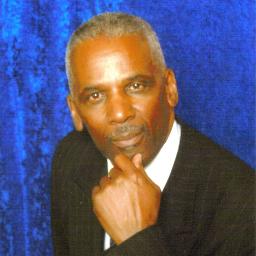
Roosevelt Jordan, LCSW
California · 20 years in practice
Roosevelt Jordan, LCSW, helps people dealing with stress, anxiety, addictions, depression, trauma, grief, and relationship concerns.
License and registration
- LCSW, California
- 28071 · expires July 2027
- NPI
- 1033390570 · national provider identifier
- Years in practice
- 20
- Languages
- English
Details are as listed on the therapist's public professional profile. You can check the license with the issuing state board, and the NPI with the national registry.
About Roosevelt
Roosevelt Jordan, LCSW, helps people dealing with stress, anxiety, addictions, depression, trauma, grief, and relationship concerns. He also supports people struggling with intimacy, eating issues, anger, self-esteem, career changes, bipolar challenges, and other life transitions. Roosevelt frames work around practical steps people can take right away.
He listens closely and builds trust at the start of the work. Sessions focus on clear goals tied to everyday life. Roosevelt uses straightforward tools to help people manage symptoms and make choices that fit their values.
Background and approach
Roosevelt brings 20 years of clinical experience practicing in California as a Licensed Clinical Social Worker. His background includes work with people affected by HIV and AIDS, hospice and end-of-life concerns, obsessive-compulsive issues, personality disorders, phobias, and process addictions such as gambling and exercise. He also has experience addressing sexual assault, self-harm, and other trauma-related problems.
In sessions he draws from a few different methods. Client-centered work keeps the conversation focused on a person’s priorities. Cognitive Behavioral Therapy helps identify patterns that keep problems going.
Mindfulness and motivational approaches help people notice what matters and move toward it. Roosevelt aims to make therapy practical and respectful. He encourages small experiments between meetings and checks progress together.
For people wanting to start, he explains options clearly and helps match the approach to each person’s goals.
Focus areas and approaches
Everything Roosevelt lists on their public professional profile, in their own terms.
- Stress, Anxiety
- Addictions
- Relationship issues
- Family conflicts
- Depression
- Trauma and abuse
- Grief
- Intimacy-related issues
- Eating disorders
- Parenting issues
- Anger management
- Self esteem
- Career difficulties
- Bipolar disorder
- Coping with life changes
- HIV / AIDS
- Hospice and end-of-life counseling
- Obsessions, compulsions, and OCD
- Personality disorders
- Phobias
- Process addiction (porn, exercise, gambling)
- Self-harm
- Sexual assault and abuse
Approaches Roosevelt names
- Existential Therapy
- Client-Centered Therapy
- Cognitive Behavioral Therapy (CBT)
- Mindfulness Therapy
- Motivational Interviewing
- Psychodynamic Therapy
Naming an approach is not evidence of training in it. This directory copies what each therapist lists and does not check training records.
Online support
How his approaches work online
Roosevelt commonly draws on Existential Therapy, Client-Centered Therapy, and Cognitive Behavioral Therapy in online sessions. Existential work helps people look at meaning, choices, and how they want to live; it can be useful for grief, life transitions, and facing big questions. Client-centered therapy centers the conversation on the person’s priorities and uses empathic listening to help people feel heard and clarify goals. Cognitive Behavioral Therapy focuses on identifying thoughts and behaviors that keep problems active and testing small changes to improve mood and functioning.Finding the right mix of approaches is a collaborative process. He will talk with each person about their goals, try methods that fit those goals, and adjust as needed. The therapist and client check in together about what helps and what to try differently, so the plan evolves based on real progress.
Online formats include video calls, phone sessions, live chat, and text-based messaging. Video sessions approximate an in-person visit and work well for in-depth conversations. Phone sessions can be easier when bandwidth is limited or a camera isn’t wanted. Live chat and text-based messaging are useful for brief check-ins, timely support, or people who prefer writing. These options make therapy more flexible for work schedules, travel, and differing daily routines.
We will earn a commission if you sign up through our link, at no cost to you. It does not change what you pay or the order of the listings.
Questions people ask
What concerns does Roosevelt address?
He works with stress, anxiety, addictions, depression, trauma and grief, relationship and intimacy issues, eating concerns, anger, self-esteem, career changes, bipolar disorder, and coping with life changes.
What is his general therapy style?
He uses a straightforward, listening-first approach that focuses on trust and clear goals. Sessions emphasize practical steps and checking progress over time.
How much clinical experience does he have?
He has 20 years of experience as a clinician working in California and with a range of complex issues including trauma and end-of-life concerns.
What credential does he hold and where does he practice?
Roosevelt is a Licensed Clinical Social Worker, LCSW, licensed in California and practices from that state.
Are sessions offered in other languages or internationally?
Sessions are offered in English and he does accept international clients.
Which session formats are available?
He offers video calls, phone sessions, live chat, and text-based messaging to fit different needs and schedules.
How is cost handled for sessions?
Cost varies with location and therapist availability; sessions use a subscription model that can be canceled at any time.
What are the first steps to begin therapy?
Click the Start Therapy button, complete the short matching questionnaire, and schedule appointments according to therapist availability.
More therapists in California
See allGian Sarabia
LMFT
Calm, practical help for life and relationships
- Trauma and abuse
- Intimacy-related issues
- Bipolar

Sherri Kardell
LMFT
Calm guidance through life’s painful transitions
- Relationship
- Family
- Trauma and abuse

Stacey Sugar
MD, LCPC, LPCC
Existential-informed therapist focused on meaning
- Stress, Anxiety
- Relationship
- Family

Is this your profile?
Ask us to correct details or take the page down.
Contact us