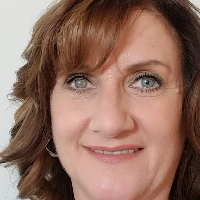
Phyllis Smith, LMFT
North Carolina · 5 years in practice
Phyllis Smith, LMFT, centers her work on helping people find meaning and direction through life’s challenges.
License and registration
- LMFT, North Carolina
- 1905 · expires July 2026
- NPI
- 1598111866 · national provider identifier
- Years in practice
- 5
- Languages
- English
Details are as listed on the therapist's public professional profile. You can check the license with the issuing state board, and the NPI with the national registry.
About Phyllis
Phyllis Smith, LMFT, centers her work on helping people find meaning and direction through life’s challenges. She brings five years of clinical experience to conversations about stress, anxiety, relationships, grief, and major life changes. Sessions are practical and direct, aimed at helping clients notice patterns and make small, lasting changes.
She uses existential ideas to help people face choices, responsibility, and the search for purpose. That approach pairs with client-centered listening so clients set the pace and topics of therapy.
Background and approach
Cognitive behavioral techniques are used when identifying unhelpful thoughts and building new habits makes sense. Phyllis works with relationship and family concerns in ways that focus on communication, roles, and patterns. She also supports people dealing with parenting strain, addiction, mood shifts, trauma, ADHD, and identity issues.
Her work includes attention to attachment, abandonment, and blended family dynamics. Her style is strengths-based and collaborative. She points out existing resources in a person’s life and invites practical experiments between sessions.
She offers guidance, challenges when needed, and steady listening to help clients try new ways of relating and coping. Phyllis practices in North Carolina and conducts sessions in English. She offers multiple online formats so clients can choose what fits their schedule and needs.
Focus areas and approaches
Everything Phyllis lists on their public professional profile, in their own terms.
- Stress, Anxiety
- Relationship issues
- Family conflicts
- Parenting issues
- Depression
- Addictions
- LGBT
- Trauma and abuse
- Grief
- Intimacy-related issues
- Anger management
- Self esteem
- Career difficulties
- Bipolar disorder
- Coping with life changes
- ADHD
- Abandonment
- Attachment issues
- Autism and Asperger Syndrome
- Blended family issues
- Body image
- Caregiver issues and stress
- Co-morbidity
- Commitment issues
- Communication problems
- Control issues
- Coping with natural or human-caused disaster
- Divorce and separation
- Emptiness
- Family of origin issues
- Family problems
- Fatherhood issues
- First responder issues
- Forgiveness
- Gender dysphoria
- Guilt and shame
- Hospice and end-of-life counseling
- Impulsivity
- Infidelity
- Isolation / loneliness
- Jealousy
- Life purpose
- Midlife crisis
- Veteran and Armed Forces Issues
- Mood disorders
- Obsessions, compulsions, and OCD
- Panic disorder and panic attacks
- Phobias
- Postpartum depression
- Post-traumatic stress
- Pregnancy and childbirth
- Prejudice and discrimination
- Seasonal Affective Disorder (SAD)
- Self-harm
- Self-love
- Women's issues
- Workplace issues
Approaches Phyllis names
- Existential Therapy
- Client-Centered Therapy
- Cognitive Behavioral Therapy (CBT)
- Gottman Method
- Mindfulness Therapy
- Solution-Focused Therapy
Naming an approach is not evidence of training in it. This directory copies what each therapist lists and does not check training records.
Online support
Approach in Online Sessions and How It Helps
Phyllis often combines existential therapy with client-centered work and cognitive behavioral techniques. Existential therapy helps people talk through questions about meaning, choice, and responsibility when facing life transitions or emptiness. Client-centered methods focus on attentive listening and following the client's lead to build trust and clarify goals. Cognitive behavioral techniques identify thinking patterns and introduce practical exercises to reduce anxiety or change unhelpful behaviors.Finding the right mix of approaches happens together. The therapist will invite clients to describe their goals and preferences and then suggest ways to proceed. This is a collaborative process and methods are adjusted over time based on what helps most in day-to-day life.
Online formats include video calls, phone sessions, live chat, and text-based messaging to increase flexibility. Video sessions are useful for deeper conversations and visual cues. Phone sessions can be easier when bandwidth is limited or when a shorter check-in is needed. Live chat and text messaging work well for brief updates, between-session support, or when writing feels more comfortable. These options make it easier to fit therapy into a busy life while using approaches that focus on meaning, relationships, and practical change.
We will earn a commission if you sign up through our link, at no cost to you. It does not change what you pay or the order of the listings.
Questions people ask
What concerns does this therapist address?
She helps people with stress, anxiety, depression, relationship and family issues, parenting strain, addictions, grief, trauma, anger, self-esteem, career questions, bipolar disorder, coping with life changes, and ADHD.
How would you describe the therapeutic style?
The approach blends existential reflection with client-centered listening and cognitive behavioral techniques. Sessions focus on choices, meaning, practical skill-building, and collaborative goal-setting.
What is the therapist's background and experience?
Phyllis has five years of clinical experience working with diverse clients on a wide range of concerns and relational dynamics.
Where is the therapist licensed and located?
She is a Licensed Marriage and Family Therapist, LMFT, licensed in North Carolina and practices from that state.
Which languages are supported?
Sessions are offered in English.
What session formats are available?
Therapy is offered via video calls, phone sessions, live chat, and text-based messaging to suit different schedules and needs.
How are fees and billing handled?
Cost varies with location and therapist arrangements; sessions use a subscription model that can be canceled at any time.
How do I begin working together?
Start by selecting the Start Therapy button, completing a short matching questionnaire, and scheduling based on the therapist's availability.
More therapists in North Carolina
See allTawnya Thompson
LCMHC
Practical, experienced counseling for everyday struggles
- Stress, Anxiety
- Relationship
- Depression

Margaret Hormenoo
LCMHC
Compassionate counselor for life transitions
- Stress, Anxiety
- Relationship
- Grief



Is this your profile?
Ask us to correct details or take the page down.
Contact us