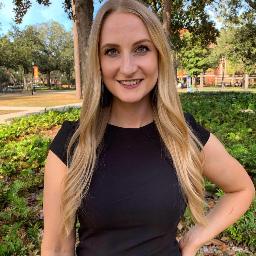
Laura Westbrook, LPC
Alabama · 7 years in practice
Laura Westbrook is a licensed professional counselor (LPC) based in Tennessee who uses a person-centered approach with an emphasis on existential ideas.
License and registration
- LPC, Alabama
- LPC04476 · expires July 2027
- LPC, Tennessee
- 7543 · expires February 2026
- NPI
- 1154096584 · national provider identifier
- Years in practice
- 7
- Languages
- English
Details are as listed on the therapist's public professional profile. You can check the license with the issuing state board, and the NPI with the national registry.
About Laura
Laura Westbrook is a licensed professional counselor (LPC) based in Tennessee who uses a person-centered approach with an emphasis on existential ideas. She focuses on helping people understand what matters most to them and then supports practical steps to feel more grounded. Laura brings warmth and a conversational style, and she often uses humor and everyday media to make therapy feel relatable.
She draws on seven years of experience working primarily in nonprofit settings with people affected by addictions and trauma.
Background and approach
That background informs a straightforward way of addressing stress, anxiety, depression, bipolar mood concerns, and grief. Laura also offers support for intimacy-related issues, communication problems, anger, and self-esteem challenges. Clients may find her helpful when navigating major life changes, parenting or fatherhood questions, family problems, or situations involving chronic illness and HIV.
Additional areas she works with include attachment and abandonment concerns, dissociation, codependency, and substance use issues. She is comfortable speaking with LGBTQ people and those from varied religious backgrounds. Sessions tend to focus on listening first, then identifying practical tools that fit each person’s life.
That can include mindfulness exercises, motivational interviewing techniques, or talking through narratives that shape how someone sees themselves. Laura often incorporates books, music, or film to connect ideas to daily experience. She grew up in California, attended the University of Alabama, and completed graduate study at the University of Florida.
Her career began with interest in improving mental health care in the criminal justice system, and she continues work shaped by that commitment.
Focus areas and approaches
Everything Laura lists on their public professional profile, in their own terms.
- Addictions
- LGBT
- Trauma and abuse
- Grief
- Coping with life changes
- Stress, Anxiety
- Relationship issues
- Family conflicts
- Intimacy-related issues
- Anger management
- Self esteem
- Bipolar disorder
- Depression
- Abandonment
- Attachment issues
- Autism and Asperger Syndrome
- BDSM, kink, and alternative sex culture
- Chronic pain, illness, and disability
- Codependency
- Communication problems
- Dissociation
- Domestic violence
- Drug and alcohol addiction
- Family problems
- Fatherhood issues
- Forgiveness
- Guilt and shame
- HIV / AIDS
- Impulsivity
- Men's issues
- Personality disorders
- Polyamory / non-monogamous relationships
- Post-traumatic stress
- Process addiction (porn, exercise, gambling)
- Self-harm
- Sex addiction
- Sexual assault and abuse
- Sexual dysfunction
- Sexuality
- Women's issues
- Young adult issues
Approaches Laura names
- Existential Therapy
- Attachment-Based Therapy
- Client-Centered Therapy
- Mindfulness Therapy
- Motivational Interviewing
- Narrative Therapy
- Trauma-Focused Therapy
Naming an approach is not evidence of training in it. This directory copies what each therapist lists and does not check training records.
Online support
How her approaches guide online work
Laura integrates Existential Therapy and Attachment-Based Therapy alongside client-centered care to shape online sessions. Existential Therapy focuses on helping people clarify values, face life transitions, and make meaningful choices when feeling stuck. Attachment-Based Therapy looks at patterns in close relationships and helps people understand how early bonds affect current trust and communication. Client-Centered Therapy centers the person’s own experience, with the therapist listening deeply and following what matters most to the client.Choosing the best approach is a collaborative process. She will talk with each person about their goals, concerns, and preferred ways of working, then try methods that fit. That teamwork helps adjust the focus over time so the work feels relevant and practical.
Online sessions are available by video call, phone, live chat, or text-based messaging to offer flexibility. Video calls work well for longer conversations and visual connection. Phone sessions can be easier when lower bandwidth or being off camera is preferable. Live chat and text messaging are useful for brief check-ins, ongoing coaching, or when scheduling windows are short. These options let people fit therapy into busy days and maintain momentum between sessions.
We will earn a commission if you sign up through our link, at no cost to you. It does not change what you pay or the order of the listings.
Questions people ask
What concerns does she work with?
She helps people with addictions, trauma and abuse, grief, anxiety, depression, bipolar concerns, and relationship and intimacy-related issues.
What is her therapeutic style like?
She uses a person-centered style with existential influences, blending listening, practical tools, and sometimes humor to make conversations feel approachable.
What experience does she bring to sessions?
Laura has seven years of experience, mainly in nonprofit settings focused on addictions and trauma, and has worked with people from diverse backgrounds.
What credentials and location are listed?
She is a Licensed Professional Counselor (LPC) holding AL LPC and TN LPC credentials and practices from Tennessee.
Which languages and international options are available?
Sessions are offered in English and she is not currently accepting international clients.
What formats are offered for sessions?
Sessions can take place via video calls, phone sessions, live chat, or text-based messaging depending on what fits a person best.
How are costs handled for therapy?
Costs vary with location and therapist availability; sessions use a subscription model that can be canceled at any time.
How does someone begin working with her?
Start by selecting the Start Therapy button, completing a short matching questionnaire, and then scheduling according to therapist availability.
More therapists in Tennessee
See all
Janet Ferrell
LPC
Experienced counselor focusing on practical change and meaning
- Addictions
- Family
- Grief
Ace Glaspy
LPC
Existential-minded counselor focused on practical change
- Stress, Anxiety
- Trauma and abuse
- Anger


Is this your profile?
Ask us to correct details or take the page down.
Contact us