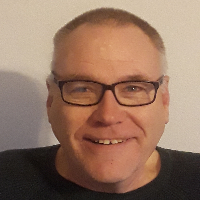
Larry Laehn, LPC
Wisconsin · 30 years in practice
Larry Laehn is a licensed professional counselor in Wisconsin with 30 years of experience helping people facing stress, anxiety, depression, addiction, and major life changes.
License and registration
- LPC, Wisconsin
- 2948-125 · expires February 2027
- NPI
- 1154524197 · national provider identifier
- Years in practice
- 30
- Languages
- English
Details are as listed on the therapist's public professional profile. You can check the license with the issuing state board, and the NPI with the national registry.
About Larry
Larry Laehn is a licensed professional counselor in Wisconsin with 30 years of experience helping people facing stress, anxiety, depression, addiction, and major life changes. He aims to make therapy direct and understandable so people can start using what they learn right away. He uses an approach that centers the client’s experience.
Sessions focus on listening first, then on practical steps to manage symptoms and regain control. He helps people talk through grief, sleeping problems, anger, and low self-esteem, and he offers coaching for career and relationship concerns.
Background and approach
Laehn draws on a mix of therapeutic styles to fit each person’s needs. That can include exploring meaning and values, learning skills to manage thoughts and behaviors, or building everyday coping tools. He works with issues tied to chronic illness, cancer, aging, and end-of-life concerns as well as substance and behavioral addictions.
His background includes vocational rehabilitation and community mental health, which informs a practical, problem-solving stance in sessions. People looking for help with communication problems, codependency, or caregiving strain will find an emphasis on realistic steps and steady support. Sessions are offered in English and delivered in multiple formats like video calls, phone, live chat, or text-based messaging.
Getting started involves a short questionnaire to match needs and then scheduling a session that fits the client’s life.
Focus areas and approaches
Everything Larry lists on their public professional profile, in their own terms.
- Stress, Anxiety
- Addictions
- Self esteem
- Depression
- Coping with life changes
- Relationship issues
- Grief
- Sleeping disorders
- Anger management
- Career difficulties
- Coaching
- Compassion fatigue
- Aging and geriatric issues
- Cancer
- Chronic pain, illness, and disability
- Co-morbidity
- Codependency
- Commitment issues
- Communication problems
- Control issues
- Coping with natural or human-caused disaster
- Drug and alcohol addiction
- Emptiness
- Fatherhood issues
- Forgiveness
- Guilt and shame
- Hospice and end-of-life counseling
- Impulsivity
- Infidelity
- Isolation / loneliness
- Life purpose
- Men's issues
- Midlife crisis
- Money and financial issues
- Mood disorders
- Multicultural concerns
- Panic disorder and panic attacks
- Prejudice and discrimination
- Seasonal Affective Disorder (SAD)
- Self-love
- Social anxiety and phobia
- Visually impaired
- Workplace issues
Approaches Larry names
- Existential Therapy
- Acceptance and Commitment Therapy (ACT)
- Client-Centered Therapy
- Cognitive Behavioral Therapy (CBT)
- Dialectical Behavior Therapy (DBT)
- Mindfulness Therapy
- Motivational Interviewing
- Narrative Therapy
- Psychodynamic Therapy
- Solution-Focused Therapy
Naming an approach is not evidence of training in it. This directory copies what each therapist lists and does not check training records.
Online support
Therapeutic approaches online and how they help
Existential therapy looks at meaning, values, and personal choice. It helps people who feel empty, aimless, or stuck make clearer decisions about what matters to them. Acceptance and Commitment Therapy, or ACT, teaches ways to accept hard feelings while taking action toward meaningful goals, which can be useful for anxiety, depression, and chronic pain. Client-centered therapy emphasizes an empathetic, nonjudgmental therapeutic relationship where the client’s pace and priorities guide the work.Finding the right approach is part of the process. The therapist collaborates with each person to identify which methods fit their needs, goals, and preferences. That means trying practical tools, checking what helps, and adjusting the focus together rather than committing to one fixed plan on day one.
Online therapy with this clinician is offered via video calls, phone sessions, live chat, or text-based messaging. Video lets people read facial cues and have a fuller conversation, while phone calls work well when bandwidth is limited or a quieter audio check-in is preferred. Live chat and text messaging are useful for shorter check-ins, tracking progress between sessions, or when typing feels easier than speaking. These options make it easier to fit sessions into a busy life and keep continuity of care across distance.
We will earn a commission if you sign up through our link, at no cost to you. It does not change what you pay or the order of the listings.
Questions people ask
What kinds of concerns does this therapist address?
He works with stress, anxiety, depression, addictions, self-esteem, grief, anger, sleeping problems, career issues, and coping with major life changes.
What is the therapy style like?
Sessions are client-centered and practical. The focus is on listening, exploring meaning, and building clear skills to manage symptoms.
How much experience does this clinician have?
The therapist brings 30 years of experience from settings such as vocational rehabilitation and community mental health.
What credentials and location apply?
He holds the LPC credential and practices in Wisconsin.
Are other languages or international sessions offered?
Sessions are offered in English. International clients are not currently accepted.
Which session formats are available?
Clients may meet by video calls, phone sessions, live chat, or text-based messaging depending on preference.
How does pricing work?
Cost varies with location and therapist availability; sessions use a subscription model that can be canceled at any time.
What are the first steps to begin?
Select the Start Therapy button, complete a short matching questionnaire, and schedule sessions according to the therapist’s availability.
More therapists in Wisconsin
See allDr. Paul Deutsch
LPC
Existential-minded counselor with practical tools
- Stress, Anxiety
- Trauma and abuse
- Eating
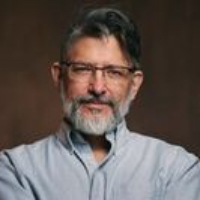
Dr. Denise Petrelli-Holst
LPC
Compassionate counselor with a practical focus
- Stress, Anxiety
- Self esteem
- Career

Holly Gardenier
LPC
Compassionate counselor helping people find meaning and balance
- Addictions
- LGBT
- Trauma and abuse

Zach Bruns
LPC
Existential-informed counselor focused on practical change
- Stress, Anxiety
- Addictions
- Trauma and abuse
Is this your profile?
Ask us to correct details or take the page down.
Contact us