
Elizabeth Diaz, LMHC, LPC
Florida · 12 years in practice
Elizabeth Diaz is a licensed mental health counselor with 12 years of experience guiding people through major life changes.
License and registration
- LMHC, Florida
- MH18595 · expires March 2027
- LPC, Virginia
- 0701010366 · expires June 2026
- NPI
- 1093318206 · national provider identifier
- Years in practice
- 12
- Languages
- English, Spanish
Details are as listed on the therapist's public professional profile. You can check the license with the issuing state board, and the NPI with the national registry.
About Elizabeth
Elizabeth Diaz is a licensed mental health counselor with 12 years of experience guiding people through major life changes. She blends personal insight with clinical work to help clients regain direction when stress, grief, or uncertainty feel overwhelming. Elizabeth speaks English and Spanish and practices in Florida as an LMHC and LPC.
Her background includes clinical work in inpatient hospitalization, partial hospitalization, and outpatient treatment. That range gave her experience with intense crises and with steady, longer-term care.
Background and approach
She draws on those settings when helping people manage anxiety, depression, trauma, and compassion fatigue. In sessions she uses straightforward methods from Acceptance and Commitment Therapy and Cognitive Behavioral Therapy alongside Client-Centered and Existential ideas. She focuses on what matters to each person and on small, practical steps that fit day-to-day life.
Conversations tend to center on values, coping skills, and choices people can try between sessions. Elizabeth also works with concerns tied to identity and relationships, including LGBT matters, gender dysphoria, intimacy issues, and communication problems. She helps parents and caregivers facing stress, blended family issues, fertility strains, and role changes related to caregiving.
People come to her for help with career shifts, ADHD-related challenges, low self-esteem, and grief after loss. Her approach emphasizes clarity, collaboration, and pacing that matches each person’s readiness to change.
Focus areas and approaches
Everything Elizabeth lists on their public professional profile, in their own terms.
- Stress, Anxiety
- LGBT
- Relationship issues
- Self esteem
- Depression
- Family conflicts
- Trauma and abuse
- Grief
- Intimacy-related issues
- Parenting issues
- Career difficulties
- Coping with life changes
- Coaching
- Compassion fatigue
- ADHD
- Abandonment
- Attachment issues
- Blended family issues
- Caregiver issues and stress
- Co-morbidity
- Commitment issues
- Communication problems
- Dependent personality
- Divorce and separation
- Emptiness
- Family problems
- Fertility issues
- Forgiveness
- Gender dysphoria
- Guilt and shame
- Immigration issues
- Impulsivity
- Life purpose
- Multicultural concerns
- Polyamory / non-monogamous relationships
- Postpartum depression
- Seasonal Affective Disorder (SAD)
- Self-love
- Social anxiety and phobia
- Women's issues
- Workplace issues
- Young adult issues
Approaches Elizabeth names
- Existential Therapy
- Acceptance and Commitment Therapy (ACT)
- Client-Centered Therapy
- Cognitive Behavioral Therapy (CBT)
- Gottman Method
- Mindfulness Therapy
- Motivational Interviewing
- Narrative Therapy
- Psychodynamic Therapy
- Solution-Focused Therapy
- Trauma-Focused Therapy
Naming an approach is not evidence of training in it. This directory copies what each therapist lists and does not check training records.
Online support
Therapeutic approaches you can try online
Existential Therapy helps people face deep life questions about meaning, choice, and loss. It’s useful when transitions make someone feel empty, stuck, or unsure what matters next. Acceptance and Commitment Therapy, or ACT, focuses on identifying values and taking committed steps toward them while learning simple ways to sit with difficult feelings. It often helps with anxiety, depression, and stress by building psychological flexibility.Cognitive Behavioral Therapy, or CBT, looks at the links between thoughts, feelings, and actions and teaches practical skills to change unhelpful patterns. It can be helpful for anxiety, depression, and coping with ADHD-related challenges by offering clear strategies to try between sessions.
Finding the right approach is a process the therapist will do together with each person. Elizabeth will listen to concerns, discuss goals, and suggest which elements of these approaches might fit best. The plan can change over time based on progress and preferences.
Online formats include video calls, phone sessions, live chat, and text-based messaging, giving flexibility for different days and needs. Video is useful for a regular therapy rhythm, phone works well when bandwidth is limited, live chat offers shorter check-ins, and messaging lets people reflect between sessions. These options make it easier to fit therapy into work, school, or caregiving schedules.
We will earn a commission if you sign up through our link, at no cost to you. It does not change what you pay or the order of the listings.
Questions people ask
What kinds of problems does Elizabeth help with?
She helps with stress, anxiety, depression, trauma and abuse, grief, relationship and intimacy concerns, self-esteem, parenting and career challenges, ADHD, and related issues like abandonment or attachment problems.
What is her therapeutic style like?
Her style is collaborative and practical. She uses Acceptance and Commitment Therapy, Cognitive Behavioral Therapy, Client-Centered work and Existential approaches to focus on values, coping skills, and day-to-day changes.
How long has she been practicing?
She has 12 years of clinical experience working in inpatient, partial hospitalization, and outpatient settings.
What are her credentials and where is she located?
She holds the credentials LMHC and LPC and practices in Florida under those licenses.
Which languages are supported and can she work internationally?
Sessions are offered in English and Spanish, and she accepts international clients.
What session formats are available?
Work can be done via video calls, phone sessions, live chat, or text-based messaging to fit different schedules and needs.
How does pricing work?
Cost varies by location and therapist availability; sessions use a subscription model that can be canceled at any time.
How do I begin if I want to work together?
Start by selecting the Start Therapy button, complete a short matching questionnaire, and then schedule a session according to therapist availability.
More therapists in Florida
See all
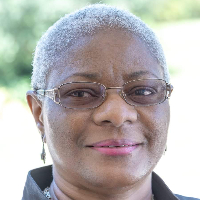
Crystal Scott
LPC, LMHC
Warm practical support for life’s tough moments
- Stress, Anxiety
- Anger
- Self esteem

Dr. Kathleen "Kathy" Meeks
LMFT
Relational therapist with an existential focus
- Relationship
- Family
- Trauma and abuse

Is this your profile?
Ask us to correct details or take the page down.
Contact us