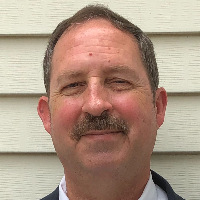
Earl Green, LPC
Texas · 7 years in practice
Earl Green is a Licensed Professional Counselor (LPC) based in Texas.
License and registration
- LPC, Texas
- 13051 · expires April 2026
- NPI
- 1700409026 · national provider identifier
- Years in practice
- 7
- Languages
- English
Details are as listed on the therapist's public professional profile. You can check the license with the issuing state board, and the NPI with the national registry.
About Earl
Earl Green is a Licensed Professional Counselor (LPC) based in Texas. He brings seven years of counseling experience and a practical, down-to-earth style to sessions. He aims to be a steady presence who asks simple questions that help people take the next step.
Earl draws on life experience alongside his counseling education. He earned a Master of Arts in Counseling from Amberton University and a Bachelor of Christian Arts, cum laude, from Dallas Baptist University.
Background and approach
He has worked in schools, a youth shelter, a state correctional facility, and a community college setting. In sessions he focuses on clear goals. He helps people manage stress, anxiety, depression, bipolar symptoms, grief, career challenges, and self-esteem concerns.
He also assists people facing big life changes, caregiver strain, and compassion fatigue. Coaching is offered for those who want practical steps toward change. His approach is conversational and values-based.
He listens, reflects, and helps people name what matters to them. He combines client-centered ways of working with tools from cognitive behavioral and mindfulness approaches when they fit the person’s goals. Earl also draws on narrative and existential ideas to help people find meaning in difficult moments.
He understands issues related to adoption and foster care, aging and caregiver stress, body image, and chronic illness. People who want a calm, hopeful collaborator may find his style helpful.
Focus areas and approaches
Everything Earl lists on their public professional profile, in their own terms.
- Stress, Anxiety
- Self esteem
- Career difficulties
- Coping with life changes
- Coaching
- Grief
- Bipolar disorder
- Depression
- Compassion fatigue
- Abandonment
- Adoption and foster care
- Aging and geriatric issues
- Antisocial personality
- Attachment issues
- Avoidant personality
- Blended family issues
- Body image
- Cancer
- Caregiver issues and stress
- Codependency
- Commitment issues
- Communication problems
- Control issues
- Coping with natural or human-caused disaster
- Dependent personality
- Divorce and separation
- Drug and alcohol addiction
- Eating and food-related issues
- Emptiness
- Family of origin issues
- Family problems
- Fatherhood issues
- Forgiveness
- Guilt and shame
- Hospice and end-of-life counseling
- Impulsivity
- Isolation / loneliness
- Life purpose
- Men's issues
- Midlife crisis
- Phobias
- Post-traumatic stress
- Process addiction (porn, exercise, gambling)
- Seasonal Affective Disorder (SAD)
- Self-love
- Smoking / vaping cessation
- Social anxiety and phobia
- Visually impaired
- Women's issues
- Workplace issues
- Young adult issues
Approaches Earl names
- Existential Therapy
- Client-Centered Therapy
- Cognitive Behavioral Therapy (CBT)
- Mindfulness Therapy
- Narrative Therapy
- Solution-Focused Therapy
Naming an approach is not evidence of training in it. This directory copies what each therapist lists and does not check training records.
Online support
Approaches for Online Work and Practical Support
Existential Therapy helps people look at meaning, choice, and the challenges of major life transitions. It can be useful when someone is questioning direction, dealing with loss, or trying to find purpose in change.Client-Centered Therapy focuses on listening, empathy, and the therapist’s genuine presence. This approach aims to create a respectful space where people feel heard and can explore what matters to them.
Cognitive Behavioral Therapy (CBT) offers straightforward tools to spot unhelpful thoughts and try different behaviors. CBT can be helpful for anxiety, depression, stress, and practical coping skills.
Finding the right approach is usually a collaborative process. The therapist will discuss goals and preferences and suggest ways of working together. Adjustments are made over time so the approach fits the person’s needs and pace.
Online therapy with Earl can include video calls, phone sessions, live chat, or text-based messaging. Video is good for fuller conversation and visual cues. Phone sessions can work when bandwidth is limited or a shorter check-in is needed. Live chat and messaging allow for brief check-ins, written reflections, and flexible timing. These options make scheduling easier and help people access support from wherever they are located within Texas.
We will earn a commission if you sign up through our link, at no cost to you. It does not change what you pay or the order of the listings.
Questions people ask
What kinds of concerns does Earl address?
He works with stress, anxiety, depression, bipolar disorder, grief, self-esteem, career concerns, compassion fatigue, and coping with life changes among other areas.
How would you describe his therapeutic style?
He uses a conversational, client-centered style that focuses on goals and practical steps. He blends listening with tools from cognitive behavioral and mindfulness approaches when appropriate.
What is his professional background?
He holds a Master of Arts in Counseling and has seven years of counseling experience in schools, juvenile settings, a community college, and support groups.
Where is he licensed and practicing?
He is a Licensed Professional Counselor, LPC, licensed in Texas and practices from that state.
Can sessions be conducted in other languages or internationally?
Sessions are offered in English. He is not accepting international clients at this time.
What session formats are available?
Sessions can take place by video calls, phone sessions, live chat, or text-based messaging depending on the client’s needs.
How does cost and billing work?
Cost varies with location and therapist availability and sessions use a subscription model that can be canceled at any time.
How do I begin working with him?
Start by selecting the Start Therapy button, complete a short matching questionnaire, and schedule sessions according to therapist availability.
More therapists in Texas
See allMaddisson Elizardo
LPC
Practical, values-focused counseling in Texas
- Stress, Anxiety
- Addictions
- Relationship


April Nance
LPC
Compassionate counselor focused on meaning and change
- Stress, Anxiety
- Addictions
- Trauma and abuse

Daffney Tchassem
LCSW
Practical support for life's difficult moments
- Stress, Anxiety
- Relationship
- Family

Is this your profile?
Ask us to correct details or take the page down.
Contact us