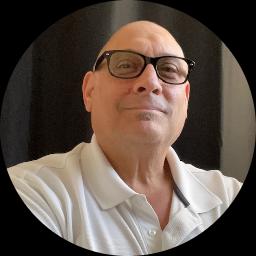
Christopher Grasso, LPCC
California · 6 years in practice
Christopher Grasso is a Licensed Professional Clinical Counselor (LPCC) practicing in California.
License and registration
- LPCC, California
- 15716 · expires January 2028
- NPI
- 1659939213 · national provider identifier
- Years in practice
- 6
- Languages
- English
Details are as listed on the therapist's public professional profile. You can check the license with the issuing state board, and the NPI with the national registry.
About Christopher
Christopher Grasso is a Licensed Professional Clinical Counselor (LPCC) practicing in California. He focuses on helping people who feel stuck by addressing stress, anxiety, addiction concerns, grief, trauma, and depression. He aims to make starting therapy feel manageable and straightforward.
Christopher uses an approach informed by existential thinking, helping people find meaning and clearer direction when life feels uncertain. He also draws on attachment-based and client-centered ways of working to build a trusting space where clients can speak honestly about what matters to them.
Background and approach
Sessions are conversational and aimed at understanding the person behind the problems, not just the symptoms. In practice he blends strategies from cognitive behavioral therapy and dialectical behavior therapy when concrete skills are helpful. That can include grounding tools for panic, strategies to handle intense emotions, and practical steps to change unhelpful behavior.
The choices depend on what a client needs in the moment. He has six years of professional experience and works with adults facing a range of concerns such as abandonment issues, communication problems, control struggles, and loneliness. Christopher also supports people coping with life transitions like divorce and separation, and those seeking a clearer sense of life purpose.
People who choose Christopher can expect direct but compassionate conversations, skill-building where useful, and ongoing reflection about values and goals. He encourages clients to set the pace and shape their own path to change.
Focus areas and approaches
Everything Christopher lists on their public professional profile, in their own terms.
- Stress, Anxiety
- Addictions
- Trauma and abuse
- Grief
- Depression
- Abandonment
- Attachment issues
- Communication problems
- Control issues
- Divorce and separation
- Forgiveness
- Guilt and shame
- Impulsivity
- Isolation / loneliness
- Life purpose
- Men's issues
- Mood disorders
- Panic disorder and panic attacks
- Post-traumatic stress
- Self-love
- Social anxiety and phobia
- Workplace issues
Approaches Christopher names
- Existential Therapy
- Attachment-Based Therapy
- Client-Centered Therapy
- Cognitive Behavioral Therapy (CBT)
- Dialectical Behavior Therapy (DBT)
- Emotionally-Focused Therapy (EFT)
- Mindfulness Therapy
- Motivational Interviewing
- Solution-Focused Therapy
- Somatic Therapy
- Trauma-Focused Therapy
Naming an approach is not evidence of training in it. This directory copies what each therapist lists and does not check training records.
Online support
Therapeutic approaches and online care
Christopher blends existential therapy with attachment-based and client-centered approaches to address both meaning and relationships. Existential therapy helps people face big questions about purpose, choice, and direction, which can be useful when life feels empty or uncertain. Attachment-based work focuses on patterns in close relationships and can help people understand why they react strongly in intimate or stressful situations. Client-centered therapy emphasizes a respectful, nonjudgmental conversation where the person sets the pace and topics are followed rather than directed.Finding the right mix of these approaches is a joint process. Christopher works collaboratively to match methods to each person's goals and preferences. He listens for what feels most relevant, tries different strategies, and checks in regularly so the work stays practical and meaningful.
Online therapy offers flexible ways to meet. Video calls are good for face-to-face conversation and deeper work, phone sessions can be easier if bandwidth is limited, live chat fits quick check-ins, and text-based messaging lets people send shorter updates between sessions. These formats help people fit therapy into busy lives and keep momentum between appointments.
We will earn a commission if you sign up through our link, at no cost to you. It does not change what you pay or the order of the listings.
Questions people ask
What concerns can I bring to therapy?
He helps people with stress, anxiety, addictions, trauma and abuse, grief, and depression. Additional focus areas include abandonment, attachment issues, communication problems, control issues, and self-love.
What is his therapeutic style like?
Sessions combine an existential outlook with client-centered listening. He uses conversational, plain-language work and brings in practical skills when needed.
How much clinical experience does he have?
He has six years of professional experience working with people on mood concerns, trauma, and behavior change.
What are his credentials and where is he based?
He is a LPCC - Licensed Professional Clinical Counselor - practicing in California.
Can I work with him if I live outside the United States?
Sessions are offered in English and he is not currently accepting international clients.
Which session formats are available?
He meets by video calls, phone sessions, live chat, or text-based messaging to fit different schedules and preferences.
How does payment work?
Cost varies with location and therapist availability; sessions are provided through a subscription that can be canceled at any time.
What do I do to begin working together?
Start by selecting the Start Therapy button, complete a short matching questionnaire, and schedule sessions according to therapist availability.
More therapists in California
See allGian Sarabia
LMFT
Calm, practical help for life and relationships
- Trauma and abuse
- Intimacy-related issues
- Bipolar

Sherri Kardell
LMFT
Calm guidance through life’s painful transitions
- Relationship
- Family
- Trauma and abuse
Stacey Sugar
MD, LCPC, LPCC
Existential-informed therapist focused on meaning
- Stress, Anxiety
- Relationship
- Family
Is this your profile?
Ask us to correct details or take the page down.
Contact us