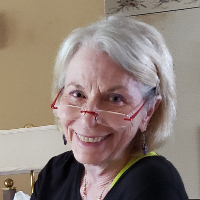
Dr. Carrie Willey, LPCC, LPC
Texas · 36 years in practice
Dr. Carrie Willey is a licensed counselor with more than three decades of experience in mental health care.
License and registration
- LPC, Texas
- 64018 · expires April 2027
- LPCC, New Mexico
- CCMH3047 · expires September 2027
- NPI
- 1609878412 · national provider identifier
- Years in practice
- 36
- Languages
- English
Details are as listed on the therapist's public professional profile. You can check the license with the issuing state board, and the NPI with the national registry.
About Carrie
Dr. Carrie Willey is a licensed counselor with more than three decades of experience in mental health care. She holds LPCC and LPC credentials and has built a long career supporting people with addictions, trauma, grief, eating concerns, mood problems, and relationship stress.
She practices from Texas and brings a straightforward, practical style to sessions. Her background includes leadership and clinical roles at specialized treatment centers focused on addiction and eating disorders.
Background and approach
She has worked with diverse cultural groups and provided assessments and treatment in tribal communities. This range of experience informs a flexible way of working that adapts to each person’s situation. In sessions she combines existential ideas with practical tools.
She often uses Cognitive Behavioral Therapy and Dialectical Behavior Therapy techniques to help people notice unhelpful patterns and try different behaviors. Somatic work is used when body awareness can help reduce tension and overwhelming reactions. She favors active engagement, offering short assignments to practice new skills between meetings.
The goal is to build on a person’s strengths, reduce patterns that cause harm, and widen options for handling stress, cravings, or intense emotions. Conversations are direct but respectful, and progress is tracked in simple, concrete steps. Outside of work she is an avid bicyclist and values a spiritual view of life that honors many paths.
Her approach mixes life experience, practical skill-building, and a focus on meaning to help people move forward.
Focus areas and approaches
Everything Carrie lists on their public professional profile, in their own terms.
- Addictions
- Trauma and abuse
- Grief
- Eating disorders
- Depression
- Stress, Anxiety
- Relationship issues
- Family conflicts
- Intimacy-related issues
- Anger management
- Self esteem
- Career difficulties
- Abandonment
- Aging and geriatric issues
- Body image
- Caregiver issues and stress
- Codependency
- Communication problems
- Dissociation
- Domestic violence
- Drug and alcohol addiction
- Eating and food-related issues
- Family of origin issues
- Forgiveness
- Guilt and shame
- Midlife crisis
- Mood disorders
- Panic disorder and panic attacks
- Post-traumatic stress
- Process addiction (porn, exercise, gambling)
- Sexual assault and abuse
- Social anxiety and phobia
- Women's issues
- Workplace issues
Approaches Carrie names
- Existential Therapy
- Cognitive Behavioral Therapy (CBT)
- Dialectical Behavior Therapy (DBT)
- Imago Relationship Therapy
- Somatic Therapy
Naming an approach is not evidence of training in it. This directory copies what each therapist lists and does not check training records.
Online support
Therapeutic approaches for online care
Existential Therapy helps people consider meaning, choices, and values when life feels uncertain. It focuses on personal responsibility and how someone wants to live, which can help with grief, midlife shifts, and questions about purpose.Cognitive Behavioral Therapy (CBT) is about noticing thoughts and behaviors that keep problems going and trying small experiments to change them. It is useful for anxiety, depression, eating concerns, and stress by giving concrete tools to practice between sessions.
Dialectical Behavior Therapy (DBT) provides skills for managing strong emotions, improving relationships, and reducing self-destructive behaviors. DBT-style techniques can be helpful for emotional regulation, impulsivity, and coping with intense urges.
Finding the right approach is a collaborative process. The therapist will talk with the client about goals, preferences, and what has or hasn’t helped before. Together they decide which methods to try and adjust the plan over time based on what works.
Online therapy offers flexibility to fit sessions into a busy life. Video calls let people use face-to-face interaction while avoiding travel. Phone sessions work when bandwidth or camera time is limited. Live chat and text-based messaging allow brief check-ins, skill practice, or ongoing reflection between scheduled meetings.
We will earn a commission if you sign up through our link, at no cost to you. It does not change what you pay or the order of the listings.
Questions people ask
What concerns does she commonly address?
She works with addictions, trauma and abuse, grief, eating and food-related issues, depression, anxiety, stress, relationship and intimacy-related issues, anger, self-esteem, and career concerns.
How would you describe her therapeutic style?
She uses a practical, straightforward approach that mixes existential perspective with hands-on techniques from CBT and DBT. Sessions often include simple assignments to try between meetings.
What is her professional background?
She has 36 years of experience and has worked in clinical leadership at treatment centers for addictions and eating disorders, as well as providing services in tribal health settings.
What credentials and location are listed?
She holds LPCC and LPC credentials and practices from Texas with professional history that includes New Mexico clinical work.
Which languages are supported and are international clients taken?
Sessions are offered in English. International clients are not currently accepted.
What session formats are available?
Sessions can be held by video calls, phone sessions, live chat, or text-based messaging depending on the chosen format.
How are costs and payment handled?
Cost varies with location and therapist arrangements; sessions use a subscription model that can be canceled at any time.
How do I begin working with her?
Start by selecting the Start Therapy button, complete a short matching questionnaire, and schedule sessions according to therapist availability.
More therapists in Texas
See allMaddisson Elizardo
LPC
Practical, values-focused counseling in Texas
- Stress, Anxiety
- Addictions
- Relationship


April Nance
LPC
Compassionate counselor focused on meaning and change
- Stress, Anxiety
- Addictions
- Trauma and abuse

Daffney Tchassem
LCSW
Practical support for life's difficult moments
- Stress, Anxiety
- Relationship
- Family

Is this your profile?
Ask us to correct details or take the page down.
Contact us