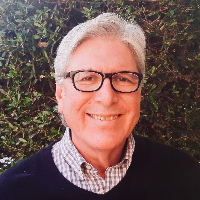
Dr. Arthur Magana, CA Psychologist
California · 26 years in practice
Dr. Arthur Magana is a California psychologist with a long history in mental health practice.
License and registration
- Psychologist, California
- 18143 · expires January 2028
- NPI
- 1811152861 · national provider identifier
- Years in practice
- 26
- Languages
- English
Details are as listed on the therapist's public professional profile. You can check the license with the issuing state board, and the NPI with the national registry.
About Arthur
Dr. Arthur Magana is a California psychologist with a long history in mental health practice. He brings a thoughtful, person-centered manner to sessions and aims to hear what people mean, not just what they say.
He is comfortable speaking conversational Spanish and draws on many years of clinical work to guide conversations about stress, relationships, parenting, grief, mood, and trauma. Dr. Magana trained at several Bay Area schools and has held roles in child protection, foster care and adoption services, inpatient psychiatric settings, and community counseling centers.
Background and approach
That mix of settings shaped how he looks at a person's life beyond single symptoms. He has also worked at the Institute for Bipolar Spectrum Disorders in Folsom, California, and spent years supervising social service programs. In sessions he aims to create a respectful space where humor can coexist with hard work.
He listens for emotional truth and attends to strengths people bring into therapy. He uses a blend of approaches rather than a single technique, matching methods to what a person needs and prefers. Dr.
Magana helps people address a wide range of concerns including anxiety, depression, trauma and abuse, parenting stress, relationship and intimacy issues, anger, and challenges that come with life transitions. He also supports people navigating ADHD, bipolar concerns, chronic illness, caregiver strain, and difficulties tied to adoption or early attachment. He emphasizes collaboration about goals and pacing.
Many clients find practical strategies alongside deeper conversations about meaning, identity, and connection. Dr. Magana combines clinical experience with a down-to-earth style to help people move forward.
Focus areas and approaches
Everything Arthur lists on their public professional profile, in their own terms.
- Stress, Anxiety
- Trauma and abuse
- Grief
- Parenting issues
- Depression
- Relationship issues
- Family conflicts
- Intimacy-related issues
- Anger management
- Self esteem
- Career difficulties
- Bipolar disorder
- Coping with life changes
- Compassion fatigue
- ADHD
- Abandonment
- Adoption and foster care
- Aging and geriatric issues
- Attachment issues
- Autism and Asperger Syndrome
- Blended family issues
- Caregiver issues and stress
- Chronic pain, illness, and disability
- Co-morbidity
- Dependent personality
- Divorce and separation
- Family of origin issues
- Family problems
- Fatherhood issues
- Isolation / loneliness
- Life purpose
- Men's issues
- Mood disorders
- Multicultural concerns
- Personality disorders
- Post-traumatic stress
- Social anxiety and phobia
- Workplace issues
- Young adult issues
Approaches Arthur names
- Existential Therapy
- Attachment-Based Therapy
- Client-Centered Therapy
- Cognitive Behavioral Therapy (CBT)
- Dialectical Behavior Therapy (DBT)
- Psychodynamic Therapy
Naming an approach is not evidence of training in it. This directory copies what each therapist lists and does not check training records.
Online support
How therapeutic approaches translate to online sessions
Existential Therapy focuses on questions about meaning, choice, and identity. In practice it involves talking about life goals, the stresses of change, and how personal values shape decisions, which can help with grief, major transitions, and questions about purpose. Attachment-Based Therapy looks at patterns in close relationships and how early bonds affect current trust and intimacy. It helps people understand recurring relationship hurts and build clearer, more supported ways of connecting. Client-Centered Therapy centers the client's experience and pacing. The therapist offers empathy, reflection, and nonjudgmental listening so clients can find their own direction and solutions.Finding the right mix of approaches is part of the work. The therapist collaborates with each person to identify goals, test different methods, and adjust the plan based on what helps most. This lets practical skill-building sit alongside deeper conversations about values and relationships, tailored to the client's needs and preferences.
Online formats include video calls, phone sessions, live chat, and text-based messaging. Video sessions are useful for face-to-face conversation and observing nonverbal cues. Phone sessions fit when bandwidth is limited or when a person prefers not to be on camera. Live chat and messaging work well for brief check-ins, tracking mood between sessions, or when daily scheduling is tight. These options offer flexibility to fit therapy into work, caregiving, or travel routines while keeping the focus on goals and progress.
We will earn a commission if you sign up through our link, at no cost to you. It does not change what you pay or the order of the listings.
Questions people ask
What kinds of problems does this therapist help with?
He works with stress, anxiety, depression, trauma and abuse, grief, parenting concerns, relationship and intimacy issues, anger, self-esteem, career questions, bipolar disorder, ADHD, and coping with life changes.
How would you describe the therapy style here?
Therapy blends existential, attachment-based, client-centered, cognitive behavioral, and dialectical behavior approaches. Sessions mix practical coping skills with conversations about meaning, identity, and relationship patterns.
What experience does the therapist bring?
He has 26 years in mental health work and experience in child protection, foster care and adoption, inpatient psychiatry, community counseling, and supervision of social service programs.
Where is this psychologist located and what are the credentials?
He practices in California and holds the credential CA Psychologist 18143.
Are sessions offered in other languages or to international clients?
Sessions are offered in English and he is comfortable speaking conversational Spanish. International clients are accepted.
What session formats are used for online therapy?
Sessions are available as video calls, phone sessions, live chat, or text-based messaging depending on client preference.
How is cost handled for sessions?
Cost varies with location and therapist availability; sessions use a subscription model that can be canceled at any time.
How do I begin therapy with this clinician?
Start by selecting the Start Therapy button, complete a short matching questionnaire, and then schedule sessions according to the therapist's availability.
More therapists in California
See allGian Sarabia
LMFT
Calm, practical help for life and relationships
- Trauma and abuse
- Intimacy-related issues
- Bipolar

Sherri Kardell
LMFT
Calm guidance through life’s painful transitions
- Relationship
- Family
- Trauma and abuse
Stacey Sugar
MD, LCPC, LPCC
Existential-informed therapist focused on meaning
- Stress, Anxiety
- Relationship
- Family

Is this your profile?
Ask us to correct details or take the page down.
Contact us