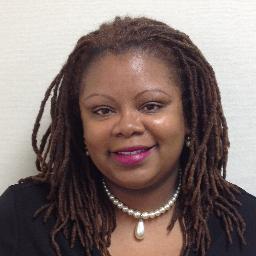
Dr. Annette Solomon, MI Psychologist
Michigan · 21 years in practice
Dr. Annette Solomon greets people with a straightforward, compassionate approach.
License and registration
- Psychologist, Michigan
- 6301013313 · expires December 2026
- NPI
- 1528369659 · national provider identifier
- Years in practice
- 21
- Languages
- English
Details are as listed on the therapist's public professional profile. You can check the license with the issuing state board, and the NPI with the national registry.
About Annette
Dr. Annette Solomon greets people with a straightforward, compassionate approach. She focuses on helping individuals who are dealing with stress, anxiety, depression, grief, addiction, trauma, relationship and intimacy concerns, and other life changes.
With clear talk and practical steps, she helps clients set goals and work toward them one session at a time. Dr. Solomon holds a doctorate in clinical psychology from Wright State University School of Professional Psychology.
She lists 21 years of experience and is identified as MI Psychologist 6301013313 in Michigan.
Background and approach
Her background includes long involvement with medical teams and work related to chronic medical conditions and diversity-related issues. In sessions she uses several familiar methods to guide the work. Client-centered methods shape the pace and focus so the client's priorities lead the conversation.
Cognitive behavioral techniques help people notice patterns in thinking and behavior and try new, small experiments between sessions. She also draws on existential ideas to help people face difficult life questions and find meaning when circumstances change. Motivational interviewing is used when clients want to tackle addictions or make other big changes.
Mindfulness skills are included to ease stress and improve sleep. Her practice notes many focus areas including caregiver stress, chronic pain and illness, blended family issues, ADHD, bipolar concerns, and issues around guilt, shame, and forgiveness. The work aims to be direct, respectful, and tailored to the person in front of her.
Focus areas and approaches
Everything Annette lists on their public professional profile, in their own terms.
- Addictions
- Relationship issues
- Trauma and abuse
- Grief
- Depression
- Stress, Anxiety
- LGBT
- Family conflicts
- Intimacy-related issues
- Sleeping disorders
- Parenting issues
- Anger management
- Self esteem
- Career difficulties
- Bipolar disorder
- Coping with life changes
- Compassion fatigue
- ADHD
- Blended family issues
- Cancer
- Caregiver issues and stress
- Chronic pain, illness, and disability
- Co-morbidity
- Codependency
- Commitment issues
- Communication problems
- Control issues
- Drug and alcohol addiction
- Family problems
- Forgiveness
- Guilt and shame
- HIV / AIDS
- Impulsivity
- Infidelity
- Isolation / loneliness
- Life purpose
- Veteran and Armed Forces Issues
- Money and financial issues
- Mood disorders
- Multicultural concerns
- Panic disorder and panic attacks
- Postpartum depression
- Post-traumatic stress
- Pregnancy and childbirth
- Prejudice and discrimination
- Process addiction (porn, exercise, gambling)
- Seasonal Affective Disorder (SAD)
- Self-love
- Sex addiction
- Sexual assault and abuse
- Sexuality
- Social anxiety and phobia
- Traumatic brain injury
- Women's issues
- Workplace issues
- Young adult issues
Approaches Annette names
- Existential Therapy
- Client-Centered Therapy
- Cognitive Behavioral Therapy (CBT)
- Mindfulness Therapy
- Motivational Interviewing
- Psychodynamic Therapy
- Solution-Focused Therapy
- Trauma-Focused Therapy
Naming an approach is not evidence of training in it. This directory copies what each therapist lists and does not check training records.
Online support
Approaches and what online therapy looks like
Existential Therapy helps people look at life questions, purpose, and meaning when they face loss or big transitions. It encourages honest reflection about values and choices to help someone find direction in hard times. Client-Centered Therapy puts the person's experience first and follows their pace; it focuses on empathy, acceptance, and helping people feel heard. Cognitive Behavioral Therapy (CBT) identifies unhelpful thoughts and habits and offers concrete steps to try different responses and track what changes.Choosing a therapeutic approach is a collaborative process. The therapist will talk with the person about goals, preferences, and what has worked or not worked in the past. Together they decide whether to emphasize existential reflection, skills-based CBT work, mindfulness practice, or a mix of methods that feels right.
Online therapy is offered by video calls, phone sessions, live chat, or text-based messaging to make scheduling easier. Video mirrors an in-person conversation when that is helpful. Phone sessions can fit a quick check-in or when bandwidth is limited. Live chat and text messaging make it possible to share brief updates or work through tools between sessions. These options are meant to provide flexibility so therapy can fit into a busy life.
We will earn a commission if you sign up through our link, at no cost to you. It does not change what you pay or the order of the listings.
Questions people ask
What kinds of concerns does she address?
She works with a wide range of issues including anxiety, depression, trauma and abuse, addictions, grief, relationship and intimacy concerns, sleep problems, caregiver stress, and ADHD.
What is her therapeutic style like?
The approach is warm and strength-based. Sessions combine client-centered listening, practical cognitive-behavioral tools, motivational interviewing, and mindfulness practices.
How long has she practiced?
She brings 21 years of professional experience and holds a doctorate in clinical psychology from Wright State University School of Professional Psychology.
What credential and location information is on file?
She is listed as MI Psychologist 6301013313 and practices in Michigan.
Which languages are supported and are international clients possible?
Sessions are offered in English. International clients are not currently accepted.
What session formats are available?
Therapy is offered through video calls, phone sessions, live chat, and text-based messaging to fit different schedules and needs.
How does payment and cost work?
Cost varies with location and therapist availability; sessions use a subscription model that can be canceled at any time.
How do I begin therapy with her?
Begin by selecting the Start Therapy button, completing a short matching questionnaire, and then scheduling based on therapist availability.
More therapists in Michigan
See allLaTrena Marshall
LPC
Compassionate counselor focused on practical tools
- Stress, Anxiety
- Relationship
- Grief



Cassandra Tordosinsky
LPC
Practical, person-centered counseling for life changes
- Stress, Anxiety
- Addictions
- Trauma and abuse

Is this your profile?
Ask us to correct details or take the page down.
Contact us