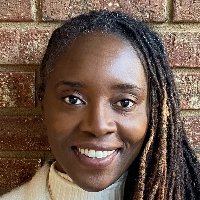
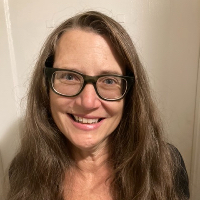
Chidale Blackwood
LPC
Practical, meaning-focused counseling for life changes
- Stress, Anxiety
- Family
- Trauma and abuse
Clinical social work directory
46 therapists in this directory hold a licence issued in South Carolina and name existential therapy among their approaches. Sessions are online; a US therapist can usually only see people in a state where they hold a licence, so check the credentials panel on each profile.
Welcome to our directory of online therapists serving South Carolina. All therapists listed on this site hold a valid license to practice in the state. Explore profiles to compare approaches, credentials and areas of focus so you can find a clinician who matches your needs.
LPC
Practical, meaning-focused counseling for life changes
LPC, LCPC
Practical guidance for coping and life change
LPC
Guidance rooted in meaning and practical change
LPC
Compassionate guidance for clearer choices
LISW-CP, LCSW, CSW
Compassionate, practical social work support
LPC
Compassionate person-centered therapy for life stressors
LPC
Compassionate counselor focused on practical change
LMFT
Reflective therapy focused on relationships and meaning
LPC
Practical, person-focused counseling for life challenges
LPC
Practical, direct counseling for life’s hard moments
LISW-CP
Thoughtful, experienced listener and practical guide
LISW-CP
Calm, practical therapy for life’s hard moments
LPC
Practical, goal-focused counseling with an empathetic approach
LPC
Compassionate counselor guiding practical change
LISW-CP, LCSW, CSW
Compassionate, practical therapy for life challenges
LPC
Compassionate counseling with practical focus
LCSW, CSW, LISW
Existential and practical therapy for life changes
LPC, LCMHC
Practical, collaborative therapy for life’s hard moments
LPC
Restorative counseling focused on meaning and change
SC Psychologist
Compassionate, practical therapy for everyday struggles
LPC
Compassionate counselor focused on meaning and coping
LPC
Calm, practical therapy for life’s hard turns
LPC
Compassionate, practical counseling for life changes
LPC
Compassionate counselor for relationship and life stress
LPC, LCMHC
Calm, practical therapy for life changes
LPC
Practical, values-focused counseling for life changes
LCSW, LISW-CP
Practical, open-minded therapy for life challenges
LPC, LCMHC
Practical, compassionate therapy for life transitions
LPC
Helping people find meaning and steady coping
LPC
Practical, thoughtful counseling focused on meaning and change
LPC
Compassionate counselor focused on meaning and connection
LISW-CP, LCSW
Therapist focused on meaning and practical change
LCSW, LISW-CP
Experienced, approachable therapist focused on practical help
LICSW, LISW-CP
Experienced guide for life's transitions
LPC
Compassionate counselor for life transitions
LPC
Calm, collaborative counseling for life changes
LPC
Helpful, practical therapy focused on meaning and change
Some links on this page are partner links. We will earn a commission if you sign up through one, at no cost to you. It does not change what you pay or the order of the listings.
If you live in South Carolina and are thinking about online therapy, you will find a variety of licensed mental health professionals offering remote sessions. Online therapy can be delivered through video calls, phone sessions and message-based care, and many clinicians list multiple approaches and specialty areas on their profiles. Because licensing rules vary by profession and by state, therapists who work with South Carolina residents typically indicate which state license they hold and the types of clients and concerns they work with. When you review listings you will see information such as professional credentials, degree type and the approaches a therapist lists among their methods. This helps you form a clear picture of what they emphasize in their practice without implying special certifications or specific training beyond what they describe on their profile.
Online therapy can make it easier for you to connect with a therapist when in-person options are limited by distance, transportation or scheduling conflicts. If you live in a rural area or a smaller town, online sessions expand the pool of clinicians you can reach, which increases the likelihood of finding someone who lists experience with your concerns or speaks your language. Online formats also let you build continuity of care when life circumstances change, such as moving between cities within South Carolina or traveling for work. Many people find that the convenience of meeting from home, from a parked car between errands or during a lunch break reduces the barriers to maintaining regular sessions. You may also encounter therapists who list a wider variety of approaches than what is commonly available nearby, allowing you to explore methods such as cognitive behavioral therapy, psychodynamic approaches, existential therapy or modalities that clinicians list like EMDR among their approaches. As you consider online therapy, think about how digital sessions would fit into your routine and whether a remote format would support the kind of therapeutic relationship you want to develop.
Therapists who work online with South Carolina residents typically address a broad range of mental health and life concerns. You can find clinicians who list experience with anxiety, depression, stress related to work or school, relationship and family issues, grief and loss, and life transitions such as career changes or retirement. Some therapists list approaches aimed at trauma-related concerns; in those profiles you may see statements that they list EMDR among their approaches, or that they include trauma-informed care as part of their work. Other therapists list cognitive behavioral therapy, mindfulness-based methods, existential therapy or psychodynamic perspectives among the approaches they use. If you are dealing with chronic medical issues, caregiving responsibilities or identity-related questions, many profiles identify clinicians who focus on those populations. Reading therapist descriptions will give you a sense of the client populations they commonly work with, the problems they emphasize and the language they use to describe goals and outcomes. This allows you to match your needs to therapists who list relevant areas of focus, without assuming specific certifications beyond what appears on their public profile.
Verifying that a therapist holds an active license in South Carolina is an important step before beginning services. Start by noting the clinician's full name and any license type or number shown on their profile. You can then use the South Carolina licensing board's online lookup tool to confirm the status of that license. On the board site you will be able to check whether the license is active, whether there are any public actions or disciplinary records and the license expiration date. If the clinician lists a credential such as LPC, LCSW, PsyD or PhD, you can look for the corresponding license category on the state site to see what scope of practice it represents. If you cannot find a license number on the therapist's profile, you can contact the therapist directly to request the information or call the licensing board to ask how to verify credentials. Keep in mind that boards maintain public records and can often provide guidance about what each license allows and how to interpret any disciplinary notices. Taking a few minutes to confirm licensure helps you understand who is authorized to practice in South Carolina and gives you additional context when reviewing therapist profiles.
When you are ready to get started, think about what you want from therapy. Writing down a few goals or the issues you most want to address can help you communicate clearly when you contact a therapist. Look at profiles to compare focus areas, approaches a clinician lists among their methods, credentials and languages spoken. If language or cultural connection is important to you, prioritize therapists who mention those qualities on their profiles. Consider practical questions as well, such as whether you prefer video sessions, phone calls or messaging, and whether you need a clinician who works with families, couples or individuals.
As you review listings, pay attention to the way therapists describe their approach to therapy, the populations they mention and the kinds of problems they commonly address. Profiles that list multiple approaches give you a sense of the tools a clinician may draw from, though listing an approach does not indicate a formal certification in it. You can reach out to a therapist to ask concise questions about their experience with your primary concern, what a typical session looks like and how they handle emergencies or crises when working remotely. It is appropriate to ask about fees, insurance or reimbursement policies, sliding scale options and cancellation terms. You may also want to ask about the technology they use for sessions and any steps they take to protect your information during online meetings. Asking a few direct questions before scheduling a first session helps you determine whether the therapist's communication style and focus feel like a good fit.
Choose a quiet, comfortable environment where you can speak openly and without interruption, and check that your internet connection and device are reliable for video sessions. Bring a notepad to sessions to track insights, goals and homework assignments. Give yourself permission to try a few sessions to see how the relationship develops - therapeutic rapport is a key factor in progress and sometimes it takes time to find the right match. If you have concerns about safety or an immediate risk to yourself or others, follow local emergency procedures and contact appropriate services. For routine care, establishing regular meeting times and clarifying preferences for messaging between sessions can make it easier to maintain momentum. Ultimately, selecting an online therapist in South Carolina is both a practical and personal decision - use profile details to compare focus areas, approaches, credentials, languages and experience to find a clinician who aligns with how you want to work.
Exploring therapist profiles is a helpful first step. Take your time reading descriptions and approaches, prepare a short list of questions, and reach out to therapists whose profiles match the support you are seeking. When you choose thoughtfully, online therapy can be a flexible way to access professional help tailored to your needs in South Carolina.