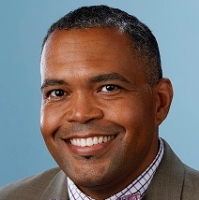
Vincent Dwayne Hinton, LPC
Alabama · 15 years in practice
Vincent Dwayne Hinton is a Licensed Professional Counselor (LPC) who helps people cope with stress, anxiety, relationship strain, grief, addiction, and major life changes.
License and registration
- LPC, Alabama
- 2922 · expires July 2026
- LPC, Georgia
- LPC007353 · expires September 2026
- NPI
- 1942553227 · national provider identifier
- Years in practice
- 15
- Languages
- English
Details are as listed on the therapist's public professional profile. You can check the license with the issuing state board, and the NPI with the national registry.
About Vincent
Vincent Dwayne Hinton is a Licensed Professional Counselor (LPC) who helps people cope with stress, anxiety, relationship strain, grief, addiction, and major life changes. He also supports clients facing parenting challenges, intimacy concerns, self-esteem struggles, career questions, and compassion fatigue. He practices in Georgia and offers sessions in English.
With 15 years of experience, Vincent uses a mixture of practical talk and reflective exploration. He favors approaches that help people name what matters, spot unhelpful patterns, and try small changes that can bring relief.
Background and approach
Sessions tend to be straightforward and focused on what is most pressing for the client. Vincent draws from Existential therapy to help people consider purpose, meaning, and personal choice. He also uses Client-Centered methods to create a respectful, nonjudgmental space.
Cognitive Behavioral Therapy (CBT) and mindfulness tools are available to address thoughts, behaviors, and coping skills. Clients can expect clear goals and collaborative planning. He often blends short-term problem-solving with deeper conversations about values and direction.
Practical exercises and homework may be suggested between sessions. Vincent works with a wide range of concerns including family conflict, communication problems, abandonment wounds, fatherhood issues, and feelings of emptiness or isolation. His aim is to help each person build clearer thinking, stronger coping, and a more purposeful path forward.
Focus areas and approaches
Everything Vincent lists on their public professional profile, in their own terms.
- Stress, Anxiety
- Relationship issues
- Family conflicts
- Anger management
- Coping with life changes
- Addictions
- LGBT
- Grief
- Intimacy-related issues
- Parenting issues
- Self esteem
- Career difficulties
- Coaching
- Compassion fatigue
- Abandonment
- Blended family issues
- Caregiver issues and stress
- Commitment issues
- Communication problems
- Control issues
- Divorce and separation
- Emptiness
- Family problems
- Fatherhood issues
- Forgiveness
- Guilt and shame
- Isolation / loneliness
- Life purpose
- Men's issues
- Midlife crisis
- Multicultural concerns
- Self-love
- Workplace issues
- Young adult issues
Approaches Vincent names
- Existential Therapy
- Client-Centered Therapy
- Cognitive Behavioral Therapy (CBT)
- Mindfulness Therapy
- Solution-Focused Therapy
Naming an approach is not evidence of training in it. This directory copies what each therapist lists and does not check training records.
Online support
How his approach and online therapy work together
Existential therapy helps people examine questions about meaning, choice, and purpose; it is useful when life feels empty, confusing, or full of conflicting demands. Client-Centered therapy focuses on creating a respectful, nonjudgmental space where the person sets the pace and direction of work. Cognitive Behavioral Therapy (CBT) looks at how thoughts influence feelings and actions and offers concrete strategies to change unhelpful patterns.Finding the right approach is part of the work. The therapist will discuss goals, preferences, and what feels most useful, then adjust methods together. This collaborative process means techniques can be blended to match each person's needs rather than sticking to a single method.
Online sessions are offered by video call, phone, live chat, or text-based messaging to give flexibility. Video calls allow face-to-face conversation and visual cues, while phone sessions can be easier when bandwidth is limited or a shorter check-in is needed. Live chat and text messaging support brief check-ins, ongoing coaching, or times when typing feels more convenient. These options make it easier to fit counseling into a busy life and to keep momentum between appointments.
We will earn a commission if you sign up through our link, at no cost to you. It does not change what you pay or the order of the listings.
Questions people ask
What kinds of problems can this counselor help with?
He supports people dealing with stress, anxiety, relationship and family concerns, grief, addictions, parenting challenges, and career or self-esteem issues.
How would you describe his therapeutic style?
He mixes direct problem-solving with deeper conversations about meaning and choice, aiming for clear goals and practical steps clients can try between sessions.
What is his professional background?
He has 15 years of counseling experience and works as a Licensed Professional Counselor which guides his clinical work and decision making.
Where is he based and what credentials does he hold?
He practices in Georgia and holds the LPC credential, with licensure details documented as GA LPC and AL LPC.
Which languages are sessions offered in?
Sessions are offered in English.
Can international clients work with him?
International clients are not currently accepted.
What session formats are available?
He offers video calls, phone sessions, live chat, and text-based messaging to fit different needs and schedules.
How do I begin a therapy relationship?
Choose the Start Therapy button, complete a short matching questionnaire, and schedule sessions according to the therapist's availability.
More therapists in Georgia
See allGarrick Lawton
LPC
Practical support for stress, trauma, and life changes
- Stress, Anxiety
- Addictions
- Trauma and abuse

Goziam Ogwu
LPC
Practical support for stress and relationship struggles
- Stress, Anxiety
- Relationship
- Family


Is this your profile?
Ask us to correct details or take the page down.
Contact us