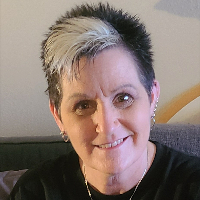
Sharon McKay, LMHC
Florida · 16 years in practice
Sharon McKay is a Licensed Mental Health Counselor (LMHC) practicing in Florida with 16 years of clinical experience.
License and registration
- LMHC, Florida
- MH18555 · expires March 2027
- NPI
- 1477949055 · national provider identifier
- Years in practice
- 16
- Languages
- English
Details are as listed on the therapist's public professional profile. You can check the license with the issuing state board, and the NPI with the national registry.
About Sharon
Sharon McKay is a Licensed Mental Health Counselor (LMHC) practicing in Florida with 16 years of clinical experience. She focuses on helping people manage anxiety, stress, mood concerns, and addiction-related challenges. Sharon draws on practical conversation and straightforward strategies in sessions.
Sharon uses a mix of approaches tailored to each person. She often works from an existential perspective to help clients face life changes and find meaning. She also uses client-centered methods that prioritize the person’s goals and rhythm in the room.
Background and approach
Cognitive Behavioral Therapy is part of her toolkit for tackling unhelpful thoughts and behaviors. Mindfulness techniques are used to improve moment-to-moment awareness and reduce reactivity. Emotionally-Focused ideas help people notice and work through strong feelings.
Sharon has supported people through trauma, mood disorders, ADHD, eating concerns, anger, relationship problems, and identity questions including LGBT and gender dysphoria issues. She also addresses family-related stresses such as blended family challenges, adoption and foster care matters, and communication problems. Sessions are offered in English and can be delivered by video call, phone, live chat, or text messaging.
Sharon frames therapy as a collaborative process and works with each person to choose approaches that match their needs. Her style is compassionate and practical, aimed at helping people cope with life changes and move toward healthier patterns.
Focus areas and approaches
Everything Sharon lists on their public professional profile, in their own terms.
- Stress, Anxiety
- Addictions
- LGBT
- Trauma and abuse
- Depression
- Relationship issues
- Family conflicts
- Eating disorders
- Anger management
- Self esteem
- Career difficulties
- Bipolar disorder
- Coping with life changes
- ADHD
- Abandonment
- Adoption and foster care
- Blended family issues
- Codependency
- Communication problems
- Control issues
- Disruptive Mood Dysregulation Disorder (DMDD)
- Drug and alcohol addiction
- Forgiveness
- Gender dysphoria
- Guilt and shame
- Impulsivity
- Jealousy
- Mood disorders
- Panic disorder and panic attacks
- Post-traumatic stress
- Self-harm
- Self-love
- Sexual assault and abuse
- Social anxiety and phobia
- Women's issues
- Young adult issues
Approaches Sharon names
- Existential Therapy
- Client-Centered Therapy
- Cognitive Behavioral Therapy (CBT)
- Emotionally-Focused Therapy (EFT)
- Mindfulness Therapy
- Motivational Interviewing
- Narrative Therapy
- Psychodynamic Therapy
- Solution-Focused Therapy
- Trauma-Focused Therapy
Naming an approach is not evidence of training in it. This directory copies what each therapist lists and does not check training records.
Online support
How therapeutic approaches work online
Existential Therapy helps people look at life changes, choices, and meaning. Online sessions can open space to discuss how events affect purpose and direction, and to consider practical steps forward.Client-Centered Therapy focuses on listening and following the person’s lead. In this approach the therapist reflects and supports, helping clients name their priorities and build on their own strengths.
Cognitive Behavioral Therapy (CBT) targets unhelpful thoughts and behaviors with clear, actionable techniques. It is often used for anxiety, panic, mood concerns, and patterns that cause distress.
Finding the right mix of approaches is part of the early work. The therapist will collaborate with each person to decide which methods fit best for their situation, goals, and preferences. That process may change over time as needs evolve.
Online formats include video calls, phone sessions, live chat, and text-based messaging. Video is useful for in-depth conversation and visual cues. Phone sessions can be easier when bandwidth is limited or when stepping away for a short check-in. Live chat and text messaging work well for brief check-ins, homework support, or when a written format feels more comfortable. These options offer flexibility for busy schedules and different communication styles.
We will earn a commission if you sign up through our link, at no cost to you. It does not change what you pay or the order of the listings.
Questions people ask
What kinds of problems does Sharon help with?
She helps people facing stress, anxiety, depression, addictions, and mood disorders. She also supports those with relationship strain, identity concerns, ADHD, and trauma-related issues.
What is her general therapy style?
She works in a collaborative and compassionate way that centers the person’s goals. Sessions mix practical skills with reflective conversation to address daily struggles and long-term change.
How much clinical experience does she have?
She has 16 years of experience working in mental health. That background includes work with a wide range of challenges and life stages.
What credentials and location apply to her practice?
She is a Licensed Mental Health Counselor, LMHC, licensed in Florida. Her practice is based in Florida.
Which languages are supported and can international clients join?
Sessions are offered in English. International clients are not currently accepted.
What session formats are available?
She offers video calls, phone sessions, live chat, and text-based messaging. These options let people choose what fits their schedule and comfort level.
How are costs handled for sessions?
Costs vary with location and therapist arrangements. Sessions use a subscription model that can be canceled at any time.
How do I begin working with her?
Start by selecting the Start Therapy button and completing a short matching questionnaire. Then schedule sessions according to therapist availability.
More therapists in Florida
See all
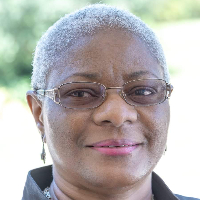
Crystal Scott
LPC, LMHC
Warm practical support for life’s tough moments
- Stress, Anxiety
- Anger
- Self esteem
Dr. Kathleen "Kathy" Meeks
LMFT
Relational therapist with an existential focus
- Relationship
- Family
- Trauma and abuse
Is this your profile?
Ask us to correct details or take the page down.
Contact us