
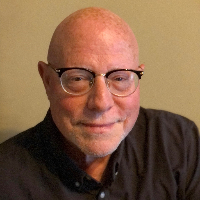
Robert Curriden, LMHC
New York · 4 years in practice
Robert Curriden is a New York licensed mental health counselor who focuses on helping people move through hard moments.
License and registration
- LMHC, New York
- 009576 · expires February 2026
- NPI
- 1356861199 · national provider identifier
- Years in practice
- 4
- Languages
- English
Details are as listed on the therapist's public professional profile. You can check the license with the issuing state board, and the NPI with the national registry.
About Robert
Robert Curriden is a New York licensed mental health counselor who focuses on helping people move through hard moments. He encourages clients to notice their own strengths and use them to make practical changes. He speaks English and brings four years of clinical experience to each conversation.
He listens first and builds goals with each person. Sessions are collaborative and paced to fit what someone needs right now. He aims to make room for honest talk about feelings, habits, and life choices.
Background and approach
Robert uses several methods to guide work in therapy. He draws on Existential therapy to look at meaning and personal values when life feels confusing. Attachment-based ideas help when relationships and trust are central concerns.
Client-centered approaches keep the person’s experience at the center of each session. He also uses tools from cognitive behavioral therapy and dialectical behavior therapy to address unhelpful thinking patterns, intense emotions, and coping skills. Those tools are applied in clear, concrete ways during sessions so clients can practice between meetings.
Typical issues he addresses include trauma and abuse, depression, self-esteem, addiction, grief, sleep problems, ADHD, and work or career concerns. He also supports people facing family of origin issues, codependency, and challenges tied to neurodiversity. People who choose him can expect straightforward conversation, practical suggestions, and a focus on personal meaning and growth.
He helps people set steps they can try after sessions so progress feels tangible.
Focus areas and approaches
Everything Robert lists on their public professional profile, in their own terms.
- Trauma and abuse
- Self esteem
- Depression
- Addictions
- LGBT
- Family conflicts
- Grief
- Sleeping disorders
- Parenting issues
- Anger management
- Career difficulties
- Bipolar disorder
- Coping with life changes
- Coaching
- Compassion fatigue
- ADHD
- Autism and Asperger Syndrome
- Codependency
- Family of origin issues
- Guilt and shame
- Hearing impaired
- Intellectual disability
- Isolation / loneliness
- Polyamory / non-monogamous relationships
- Post-traumatic stress
- Traumatic brain injury
- Young adult issues
Approaches Robert names
- Existential Therapy
- Attachment-Based Therapy
- Client-Centered Therapy
- Cognitive Behavioral Therapy (CBT)
- Dialectical Behavior Therapy (DBT)
Naming an approach is not evidence of training in it. This directory copies what each therapist lists and does not check training records.
Online support
How therapeutic approaches translate to online care
Existential therapy looks at questions of meaning, choice, and personal values. Online sessions using this approach help people clarify what matters most and decide on practical next steps when life feels uncertain.Attachment-based therapy focuses on how relationships shape emotions and behavior. In video or phone sessions this approach helps people notice patterns in relationships and practice new ways of relating that reduce distress.
Client-centered therapy centers the person's own experience and pace. The therapist listens closely and adapts the work to each person's needs, which can make online formats feel flexible and responsive.
Choosing the right approach is part of the work. The therapist will talk with each person about their needs, goals, and preferences and then try methods that fit. That collaborative process can include mixing approaches if it seems helpful.
Online therapy offers practical benefits such as flexible scheduling and easier access from different locations. Video calls are useful when face-to-face interaction matters, phone sessions can fit a tight schedule or reduce bandwidth needs, and live chat or text-based messaging are helpful for short check-ins or ongoing coaching between sessions. These options make it simpler to maintain regular contact and keep progress moving forward.
We will earn a commission if you sign up through our link, at no cost to you. It does not change what you pay or the order of the listings.
Questions people ask
What issues does this therapist help with?
He works with trauma and abuse, depression, low self-esteem, addictions, grief, sleep problems, ADHD, and related concerns such as codependency and family of origin issues.
What is his therapeutic style like?
His style is collaborative and direct. He combines meaning-focused exploration with practical skills to help people try new ways of coping between sessions.
How much clinical experience does he have?
He has four years of professional experience working with clients in a range of concerns and settings.
What credentials and location are listed?
He is a Licensed Mental Health Counselor, LMHC, licensed in New York and practices from that state.
Which languages are supported for sessions?
Sessions are offered in English.
What session formats are available?
He offers video calls, phone sessions, live chat, and text-based messaging to fit different needs and schedules.
How does pricing work for sessions?
Cost varies with location and therapist availability; sessions are provided through a subscription model that can be canceled at any time.
How do I begin working with him?
Start by selecting the Start Therapy button, completing a short matching questionnaire, and then schedule sessions according to the therapist's availability.
More therapists in New York
See allJohn Shafer
LCSW
Experienced existential therapist with practical tools
- Stress, Anxiety
- Relationship
- Family

Rita Simmonds
LMHC
Practical, meaning-focused support for life shifts
- Stress, Anxiety
- Trauma and abuse
- Grief

Prof. Michael Feldler
LMHC
Experienced counselor blending values and skills
- Stress, Anxiety
- Addictions
- Relationship
Dr. Sung Ho Kim
NY Psychoanalyst
Calm guidance for meaning and coping
- Stress, Anxiety
- Relationship
- Trauma and abuse
Is this your profile?
Ask us to correct details or take the page down.
Contact us