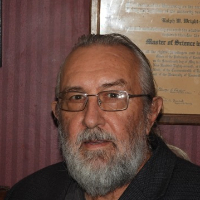
Ralph Murphy, LCSW
North Carolina · 30 years in practice
Ralph Murphy is a Licensed Clinical Social Worker with thirty years of clinical experience.
License and registration
- LCSW, North Carolina
- C005498 · expires November 2026
- NPI
- 1932230471 · national provider identifier
- Years in practice
- 30
- Languages
- English
Details are as listed on the therapist's public professional profile. You can check the license with the issuing state board, and the NPI with the national registry.
About Ralph
Ralph Murphy is a Licensed Clinical Social Worker with thirty years of clinical experience. He uses an existential perspective alongside client-centered and cognitive behavioral approaches to help people clarify meaning and take practical steps forward. Ralph meets people where they are and focuses on strengths and goals in a straightforward way.
He trained in social work and theology, holding a Master of Divinity (MDiv) and a Master of Science in Social Work (MSSW).
Background and approach
He is an LCSW in North Carolina. Over three decades he has worked in many settings and brings that breadth to each conversation. Ralph helps people who are dealing with stress, anxiety, depression, grief, anger, and trauma.
He also supports those facing parenting strain, addiction concerns, and relationship difficulties. He addresses issues related to adoption and foster care, autism and Asperger syndrome, men's issues, and post-traumatic stress. In sessions he listens carefully and invites clients to tell their story.
He values practical goals and uses tools from cognitive behavioral therapy and solution-focused methods to create steps people can try between meetings. Motivational interviewing is used when change feels hard or motivation is unclear. Ralph encourages attention to emotional, physical, intellectual, and spiritual life.
He aims to help people recognize their strengths, set life goals, and take responsibility for progress. He works in English and provides support through a range of online formats.
Focus areas and approaches
Everything Ralph lists on their public professional profile, in their own terms.
- Stress, Anxiety
- Family conflicts
- Trauma and abuse
- Parenting issues
- Depression
- Addictions
- LGBT
- Relationship issues
- Grief
- Anger management
- Coaching
- Adoption and foster care
- Autism and Asperger Syndrome
- Drug and alcohol addiction
- Family problems
- Guilt and shame
- Men's issues
- Post-traumatic stress
- Self-harm
Approaches Ralph names
- Existential Therapy
- Client-Centered Therapy
- Cognitive Behavioral Therapy (CBT)
- Motivational Interviewing
- Solution-Focused Therapy
- Trauma-Focused Therapy
Naming an approach is not evidence of training in it. This directory copies what each therapist lists and does not check training records.
Online support
How existential and practical approaches work online
Existential Therapy helps people explore meaning, values, and big life questions in a way that can reduce feeling stuck. In online sessions this looks like talking through what matters most and deciding on personal priorities to guide change.Client-Centered Therapy focuses on respectful listening and supporting a person’s own insight. The therapist reflects and clarifies so clients can arrive at their own solutions and feel heard during conversations over video or phone.
Cognitive Behavioral Therapy (CBT) adds concrete tools for changing unhelpful thoughts and behaviors. CBT work online often includes setting small experiments, practicing new skills, and reviewing how those efforts went between sessions.
Finding the right approach is a collaborative process. The therapist will talk with the client about goals and preferences and mix methods as needed. That shared planning helps tailor sessions to the person’s life and needs rather than assuming one fixed method.
Online formats offer useful flexibility. Video calls allow face-to-face conversation when more visual cues help. Phone sessions can be easier when bandwidth is limited or the session is a quick check-in. Live chat and text messaging work well for brief updates, ongoing reflection, or when writing helps someone organize thoughts. These options let people fit therapy into work, parenting, or other schedules.
We will earn a commission if you sign up through our link, at no cost to you. It does not change what you pay or the order of the listings.
Questions people ask
What concerns does he help with?
He works with stress, anxiety, depression, grief, anger, trauma and abuse. He also addresses parenting, addictions, relationship strain, LGBT concerns, and coaching for life goals.
What style of therapy can I expect?
Sessions blend existential perspectives with client-centered listening and cognitive behavioral techniques. He also uses solution-focused strategies and motivational interviewing when helpful.
How much experience does he bring?
He has 30 years of clinical experience across community and family settings, drawing on long-term practice to inform sessions.
What are his credentials and where is he located?
He is a Licensed Clinical Social Worker, LCSW, licensed in North Carolina.
Which languages are supported?
Sessions are offered in English.
Are international clients accepted?
International clients are not currently accepted.
What session formats are available?
He offers video calls, phone sessions, live chat, and text-based messaging to fit different schedules and needs.
How does payment and getting started work?
Costs vary with location and therapist availability and use a subscription that can be canceled at any time. To begin, select the Start Therapy button, complete a short matching questionnaire, and schedule according to therapist availability.
More therapists in North Carolina
See allTawnya Thompson
LCMHC
Practical, experienced counseling for everyday struggles
- Stress, Anxiety
- Relationship
- Depression
Margaret Hormenoo
LCMHC
Compassionate counselor for life transitions
- Stress, Anxiety
- Relationship
- Grief


Is this your profile?
Ask us to correct details or take the page down.
Contact us