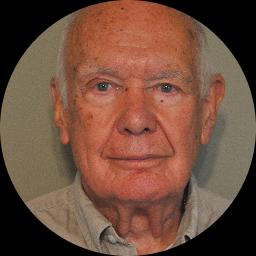
Paul D. Wess, LPCC
Ohio · 30 years in practice
Paul D. Wess is a licensed professional clinical counselor with three decades of experience.
License and registration
- LPCC, Ohio
- E.0003248-SUPV · expires March 2026
- NPI
- 1194124065 · national provider identifier
- Years in practice
- 30
- Languages
- English, Estonian
Details are as listed on the therapist's public professional profile. You can check the license with the issuing state board, and the NPI with the national registry.
About Paul
Paul D. Wess is a licensed professional clinical counselor with three decades of experience. He holds master’s degrees in psychology and sociology and completed substantial doctoral-level coursework reflected in a Certificate of Advanced Graduate Study.
He practices from Ohio and offers sessions in English and Estonian. He focuses strongly on healing trauma and the symptoms that often follow, such as anxiety, depression, and difficulties in close relationships. His work pays attention to developmental levels and how early experiences shape present struggles.
Background and approach
Sessions attend to body, mind, emotions, and spirit so healing can feel more whole. Paul draws on Existential therapy alongside practical methods like Acceptance and Commitment Therapy and Cognitive Behavioral Therapy. He blends these approaches to help people name what matters, challenge unhelpful thoughts, and try different behaviors that align with their values.
The aim is clearer direction and more satisfying day-to-day choices. People who prefer direct, thoughtful conversation tend to do well with him. He helps individuals talk through grief, anger, addiction concerns, identity and intimacy questions, and stress from life transitions.
He also supports those coping with compulsive patterns, shame, isolation, and questions of purpose. Paul offers video calls, phone sessions, live chat, and text-based messaging. New clients start by filling a short matching questionnaire and scheduling a first meeting.
Fees vary by location and follow a subscription model that can be canceled at any time.
Focus areas and approaches
Everything Paul lists on their public professional profile, in their own terms.
- Stress, Anxiety
- Trauma and abuse
- Anger management
- Bipolar disorder
- Depression
- Addictions
- Relationship issues
- Family conflicts
- Grief
- Intimacy-related issues
- Self esteem
- Coping with life changes
- Coaching
- Compassion fatigue
- Abandonment
- Attachment issues
- Communication problems
- Control issues
- Forgiveness
- Guilt and shame
- Impulsivity
- Isolation / loneliness
- Life purpose
- Men's issues
- Mood disorders
- Panic disorder and panic attacks
- Post-traumatic stress
- Self-love
- Sexuality
- Social anxiety and phobia
Approaches Paul names
- Existential Therapy
- Acceptance and Commitment Therapy (ACT)
- Client-Centered Therapy
- Cognitive Behavioral Therapy (CBT)
- Dialectical Behavior Therapy (DBT)
- Hypnotherapy
- Jungian Therapy
- Mindfulness Therapy
- Narrative Therapy
- Psychodynamic Therapy
- Somatic Therapy
- Trauma-Focused Therapy
- Internal Family Systems
Naming an approach is not evidence of training in it. This directory copies what each therapist lists and does not check training records.
Online support
Approach-driven online therapy that fits your life
Paul blends Existential therapy with Acceptance and Commitment Therapy and Client-Centered work. Existential therapy helps people face big questions about meaning, responsibility, and choice so they can make clearer life decisions. Acceptance and Commitment Therapy, or ACT, focuses on noticing thoughts and feelings while committing to actions that match personal values. Client-Centered therapy emphasizes empathetic listening and a nonjudgmental stance so people feel heard and understood.Finding the right approach is part of the work together. Paul will talk with clients about their goals, preferences, and how they respond to different methods. That collaboration guides whether sessions lean more toward meaning-focused exploration, values-based action, or skill-building and problem solving.
Online therapy is offered by video calls, phone sessions, live chat, or text-based messaging to make sessions easier to fit into busy lives. Video works well for deeper conversations and nonverbal cues. Phone sessions can be lower-bandwidth and easier when being on camera is difficult. Live chat and text can be useful for brief check-ins, coaching-style support, or when someone prefers writing to speaking. These options make it simpler to keep regular contact and try new ways of coping without long travel times.
We will earn a commission if you sign up through our link, at no cost to you. It does not change what you pay or the order of the listings.
Questions people ask
What concerns does Paul often help with?
He works with stress, anxiety, depression, trauma and abuse, addictions, relationship and intimacy issues, grief, and mood disorders among other concerns.
What is his therapeutic style like?
He combines a reflective, existential outlook with practical techniques from ACT and CBT to help people clarify values and change unhelpful habits.
How much experience does he bring?
Paul has 30 years of clinical experience and many years of training at the graduate and post-graduate level.
What are his credentials and where is he based?
He holds the LPCC credential and practices in Ohio as an Ohio LPCC.
Which languages are supported for sessions?
Sessions are offered in English and Estonian.
What session formats are available?
He offers video calls, phone sessions, live chat, and text-based messaging to suit different needs.
How are sessions priced?
Costs vary by location and therapist availability; sessions use a subscription model that can be canceled at any time.
How do I begin working with him?
Start by selecting the Start Therapy button, complete a short matching questionnaire, and schedule according to the therapist's availability.
More therapists in Ohio
See all
Timothy Schuerr
LISW
Helping people find meaning and practical change
- Stress, Anxiety
- Family
- Parenting

Haven Ohly
LISW
Compassionate, practical therapy for life’s hard moments
- Stress, Anxiety
- Addictions
- Relationship

Mary Van Hooser
LISW
Practical support for real-life struggles
- Addictions
- Trauma and abuse
- Self esteem

Is this your profile?
Ask us to correct details or take the page down.
Contact us