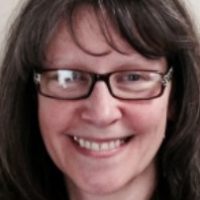
Diana Sebzda, LPC
New Jersey · 18 years in practice
Diana Sebzda is a licensed professional counselor with 18 years of experience.
License and registration
- LPC, New Jersey
- 37PC00387500 · expires November 2026
- NPI
- 1184227423 · national provider identifier
- Years in practice
- 18
- Languages
- English
Details are as listed on the therapist's public professional profile. You can check the license with the issuing state board, and the NPI with the national registry.
About Diana
Diana Sebzda is a licensed professional counselor with 18 years of experience. She focuses on helping people who are carrying grief, anxiety, stress, or major life changes. Diana listens closely and works with each person to figure out practical next steps they can try between sessions.
She has deep experience in end-of-life concerns, bereavement, and related issues such as spiritual questions, disenfranchised losses, and caregiver stress. Diana also supports people facing trauma, relationship strain, low self-esteem, workplace challenges, and substance concerns.
Background and approach
She blends approaches to meet the needs people bring to therapy. Diana uses elements from cognitive behavioral work to identify unhelpful thinking patterns. She combines that with mindfulness practices to build moment-to-moment coping skills.
Narrative and client-centered ideas help people make sense of their stories and feel heard. Sessions are practical and down-to-earth. Conversations often include short exercises, thought reframing, and doable homework to test changes.
Diana also offers coaching-style guidance for career or life-purpose decisions when appropriate. Her practice reflects a belief that kindness and small shifts add up. She encourages people to reconnect with values, practice self-compassion, and take steady steps toward recovery.
Diana works with English-speaking clients and sees people in New Jersey as well as international clients via online formats.
Focus areas and approaches
Everything Diana lists on their public professional profile, in their own terms.
- Stress, Anxiety
- Grief
- Self esteem
- Coping with life changes
- Compassion fatigue
- Addictions
- Relationship issues
- Family conflicts
- Trauma and abuse
- Sleeping disorders
- Anger management
- Career difficulties
- Depression
- Coaching
- Aging and geriatric issues
- Cancer
- Caregiver issues and stress
- Communication problems
- Coping with natural or human-caused disaster
- First responder issues
- Guilt and shame
- Hospice and end-of-life counseling
- Isolation / loneliness
- Life purpose
- Self-love
- Workplace issues
Approaches Diana names
- Existential Therapy
- Client-Centered Therapy
- Cognitive Behavioral Therapy (CBT)
- Mindfulness Therapy
- Narrative Therapy
- Solution-Focused Therapy
Naming an approach is not evidence of training in it. This directory copies what each therapist lists and does not check training records.
Online support
How therapeutic approaches work online
Existential-style work invites people to talk about meaning, choice, and what matters most. In online sessions this can help when someone faces loss, life transitions, or questions about purpose. The conversation often focuses on values and the practical choices someone can make next.Client-centered therapy prioritizes listening and empathy. The therapist mirrors concerns and follows the person's lead so they feel understood. That approach suits people who need space to tell their story and to be heard without pressure to change immediately.
Cognitive behavioral therapy, or CBT, looks at patterns of thought and behavior that keep problems going. Online CBT often includes brief exercises, thought records, and experiments to try between sessions to reduce anxiety, manage mood, or improve sleep.
Choosing the right approach is a collaborative process. The therapist will discuss goals and preferences, try techniques in session, and adjust the plan based on what feels helpful. Clients are invited to give feedback so the work stays aligned with their needs.
Online formats offer practical flexibility. Video calls allow face-to-face conversation for in-depth work. Phone sessions use less bandwidth and can fit a work break. Live chat or text-based messaging supports shorter check-ins, journaling-style reflections, or ongoing coaching between appointments. These options make it easier to fit therapy into a busy life.
We will earn a commission if you sign up through our link, at no cost to you. It does not change what you pay or the order of the listings.
Questions people ask
What issues does Diana often address?
She supports people with grief, anxiety, depression, stress, relationship strain, addiction concerns, career and life-purpose questions, and a range of end-of-life and caregiver issues.
What is her general therapy style?
Her style is practical and listening-focused. She blends cognitive behavioral tools, mindfulness, narrative work, and client-centered approaches to match each person's goals.
How much clinical experience does she have?
She brings 18 years of experience, including many years focused on grief, bereavement, and related life transitions.
What credentials and location are listed?
She is an LPC - Licensed Professional Counselor - practicing in New Jersey.
In what languages are sessions offered?
Sessions are offered in English, and she accepts international clients for online work.
Which session formats are available?
She works with video calls, phone sessions, live chat, and text-based messaging to fit different schedules and needs.
How is cost handled for therapy?
Cost varies with location and therapist availability; sessions use a subscription model that can be canceled at any time.
What are the first steps to begin?
Start by selecting the Start Therapy button, complete a short matching questionnaire, then schedule according to therapist availability.
More therapists in New Jersey
See allJennifer Maguire
LPC
Compassionate counselor helping people find direction
- Stress, Anxiety
- Addictions
- Trauma and abuse
Marcella Prosper
LPC
Compassionate, practical counseling for life’s hard moments
- Stress, Anxiety
- Relationship
- Trauma and abuse
Jason Gearheart
LPC
Helping people find meaning and clear steps forward
- Addictions
- Trauma and abuse
- Self esteem

Dr. Nicholas Koumarianos
LPC, LMHC
Existential-informed, practical therapy for adults
- Stress, Anxiety
- Self esteem
- Career

Is this your profile?
Ask us to correct details or take the page down.
Contact us