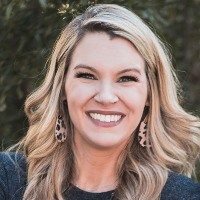
Courtney Burrus, LPC
Texas · 12 years in practice
Courtney Burrus is a Licensed Professional Counselor (LPC) in Texas who centers therapy on helping people find meaning and direction.
License and registration
- LPC, Texas
- 73468 · expires October 2027
- NPI
- 1619588381 · national provider identifier
- Years in practice
- 12
- Languages
- English
Details are as listed on the therapist's public professional profile. You can check the license with the issuing state board, and the NPI with the national registry.
About Courtney
Courtney Burrus is a Licensed Professional Counselor (LPC) in Texas who centers therapy on helping people find meaning and direction. She blends practical tools with thoughtful conversation to address stress, anxiety, depression, relationship strain, and trauma. Her tone is direct and caring so people feel heard and guided toward next steps.
Courtney uses an approach that helps people name what matters most to them and then take small steps toward change.
Background and approach
She helps clients sort out feelings of emptiness, shame, grief, and confusion. Sessions focus on clearer communication, better self-care, and realistic coping skills. Her experience includes addressing attention challenges, addiction, eating and body image concerns, and parenting stress.
She also supports people dealing with major life changes like divorce, career shifts, chronic illness, or loss. Practical problem solving is mixed with exploration of values and personal meaning. Therapy sessions may use client-centered listening, cognitive-behavioral tools, solution-focused plans, or parts work from Internal Family Systems depending on what fits.
The work is collaborative: goals are set together and adjusted as progress is made. Courtney aims for steady, manageable steps rather than quick fixes. People come away with clearer priorities, more reliable daily routines, and better ways to manage strong emotions.
She combines warmth and direct guidance to help clients move through hard moments and toward more fulfilling daily life.
Focus areas and approaches
Everything Courtney lists on their public professional profile, in their own terms.
- Stress, Anxiety
- Relationship issues
- Trauma and abuse
- Intimacy-related issues
- Depression
- Addictions
- Family conflicts
- Grief
- Eating disorders
- Parenting issues
- Self esteem
- Bipolar disorder
- Coping with life changes
- Coaching
- Compassion fatigue
- ADHD
- Abandonment
- Attachment issues
- Body image
- Chronic pain, illness, and disability
- Codependency
- Commitment issues
- Communication problems
- Control issues
- Divorce and separation
- Drug and alcohol addiction
- Eating and food-related issues
- Emptiness
- Family of origin issues
- Family problems
- Fatherhood issues
- Forgiveness
- Guilt and shame
- Impulsivity
- Isolation / loneliness
- Jealousy
- Life purpose
- Midlife crisis
- Money and financial issues
- Mood disorders
- Obsessions, compulsions, and OCD
- Panic disorder and panic attacks
- Personality disorders
- Postpartum depression
- Post-traumatic stress
- Pregnancy and childbirth
- Process addiction (porn, exercise, gambling)
- Self-love
- Sex addiction
- Sexual assault and abuse
- Sexual dysfunction
- Women's issues
- Workplace issues
- Young adult issues
Approaches Courtney names
- Existential Therapy
- Client-Centered Therapy
- Cognitive Behavioral Therapy (CBT)
- Solution-Focused Therapy
- Internal Family Systems
- Systemic Therapy
Naming an approach is not evidence of training in it. This directory copies what each therapist lists and does not check training records.
Online support
Approach-driven care delivered online
Existential Therapy helps people look at meaning, choice, and personal values when life feels confusing or empty. It is useful for coping with big life changes, feeling stuck, or searching for purpose. Client-Centered Therapy focuses on empathetic listening and helping people feel understood so they can find their own answers. This approach suits those who need a calm, accepting space to process emotions. Cognitive Behavioral Therapy (CBT) looks at how thoughts, feelings, and behaviors connect and teaches concrete skills to change unhelpful patterns; it is helpful for anxiety, depression, and stress management.Courtney will work together with each person to figure out which approach, or combination of approaches, fits their goals and preferences. That match is part of the therapy process and can change over time as needs shift. The therapist and client set goals together and agree on the methods to try.
Online sessions can happen by video call, phone, live chat, or text-based messaging to fit different schedules and needs. Video is useful for full conversations and visual cues. Phone sessions work when bandwidth is limited or a quieter check-in is needed. Live chat and text messaging let people check in between meetings or get support without scheduling a longer call. These options make therapy more flexible for busy lives and people in different parts of Texas.
We will earn a commission if you sign up through our link, at no cost to you. It does not change what you pay or the order of the listings.
Questions people ask
What kinds of concerns does she address?
She helps people with stress, anxiety, depression, trauma, relationship and intimacy issues, addictions, grief, self-esteem, parenting strains, ADHD, and life transitions.
What is her general therapy style?
Her style blends listening with active problem solving. She combines existential reflection with client-centered and practical techniques.
How much experience does she have?
She has 12 years of clinical experience working with varied emotional and life challenges in Texas.
What are her credentials and where is she based?
She is a Licensed Professional Counselor, LPC, practicing in Texas.
Which languages are sessions offered in?
Sessions are offered in English.
What session formats are available?
Sessions can be arranged as video calls, phone sessions, live chat, or text-based messaging.
How does cost and billing work?
Cost varies with location and therapist availability; services use a subscription model that can be canceled at any time.
What are the steps to begin therapy?
Start by selecting the Start Therapy button, complete a short matching questionnaire, and schedule sessions according to therapist availability.
More therapists in Texas
See allMaddisson Elizardo
LPC
Practical, values-focused counseling in Texas
- Stress, Anxiety
- Addictions
- Relationship


April Nance
LPC
Compassionate counselor focused on meaning and change
- Stress, Anxiety
- Addictions
- Trauma and abuse

Daffney Tchassem
LCSW
Practical support for life's difficult moments
- Stress, Anxiety
- Relationship
- Family

Is this your profile?
Ask us to correct details or take the page down.
Contact us