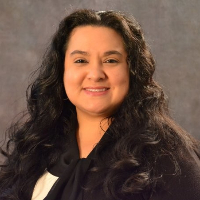
Letha Olmos
LISW
Calm, practical support for life's hard moments
- Stress, Anxiety
- LGBT
- Trauma and abuse
Clinical social work directory
27 therapists in this directory list Licensed Independent Social Worker (LISW). Registration details are shown as each therapist lists them; the body's own public register is the place to check a number.
A Licensed Independent Social Worker (LISW) is a clinical social work license granted after graduate education, supervised clinical practice, and licensure testing. Browse the verified LISW therapists listed below to learn about their credentials, approaches, and practice focuses.
LISW
Calm, practical support for life's hard moments
LISW
Helping people find meaning and practical change
LISW
Compassionate, practical therapy for life’s hard moments
LISW
Practical support for real-life struggles
LISW
Helping people find meaning and practical coping skills
LCSW, LISW
Compassionate, experienced social worker focused on meaning
LISW
Compassionate existential-informed counseling
LISW, LCSW
Empathetic social worker with practical tools
LCSW, LISW
Experienced LCSW focused on life change
LISW
Compassionate, practical therapy for difficult life moments
LCSW, CSW, LISW
Existential and practical therapy for life changes
LCSW, LISW
Calm, values-focused therapy for real life struggles
LISW
Compassionate social worker blending practical and reflective care
LISW
Experienced therapist focused on practical healing
LISW
Experienced therapist focused on meaning and mood support
LISW
Compassionate, practical therapy for life’s hard moments
LISW, LCSW
Support for stress, identity, and life changes
LISW
Compassionate, practical therapy for life changes
LISW
Meaning-focused therapist using practical skills
LCSW, LISW
Existential-informed therapy with practical tools
LISW
Helping people find meaning and practical ways forward
LISW
Compassionate counselor focused on meaning and change
LISW, LICSW
Skilled social worker focusing on practical change
Some links on this page are partner links. We will earn a commission if you sign up through one, at no cost to you. It does not change what you pay or the order of the listings.
When you see the LISW credential appended to a clinician's name, it indicates a distinct pathway in social work that emphasizes graduate-level education and clinical preparation. To qualify for LISW licensure, most jurisdictions require a master's or doctoral degree in social work, a defined number of supervised clinical hours completed after graduation, and successful passage of a licensing examination. Those requirements are established at the state level, so the exact steps can vary where you live. The LISW designation signals that a social worker has met the licensure board's standards for independent clinical practice rather than only performing nonclinical roles.
The training that leads to an LISW typically includes coursework in human development, psychopathology, assessment, intervention strategies, ethics, and cultural competence. Supervised practice allows the clinician to apply theory to real client work while under the oversight of an experienced licensed professional. By the time a social worker becomes an LISW, they have generally accumulated substantial direct clinical experience with individuals, couples, families, or groups. This background shapes the way LISW clinicians approach assessment and treatment planning.
An LISW is authorized to provide independent clinical services within the rules of the issuing state board. That means you can expect an LISW to conduct clinical assessments, diagnose behavioral health concerns where permitted, offer psychotherapy, and develop treatment plans. In many regions LISWs also have the authority to provide clinical supervision to other social workers pursuing licensure. That supervisory role reflects a level of experience and recognition by the licensing body.
Compared with other mental health professions, the LISW brings a social work perspective that highlights systems, context, and practical supports. For example, licensed professional counselors, psychologists, and marriage and family therapists each have overlapping capabilities in psychotherapy, but they differ in training focus, professional culture, and regulatory frameworks. Where a clinical psychologist's training emphasizes psychological assessment and research methods, a LISW's training may emphasize community resources, case coordination, and advocacy. This difference does not make one approach inherently superior - it helps you understand how a clinician's background might influence their focus and priorities in working with you.
You will find LISW clinicians working across a broad range of clinical concerns. Many LISWs focus on mood disorders such as depression and anxiety, complex trauma and post-traumatic stress responses, grief and loss, life transitions, relationship challenges, and behavioral health issues that intersect with social determinants like housing, employment, and family stress. Because social work training takes systems into account, LISW therapists often integrate attention to social supports, community resources, and practical problem solving alongside therapeutic techniques.
Therapists with an LISW credential may describe areas of focus such as working with adolescents, parents, older adults, couples, or specific communities. You will also see LISW clinicians who list particular therapeutic approaches among their methods. When you review profiles, note phrasing like "therapists who list EMDR among their approaches" or "therapists who list cognitive behavioral approaches" rather than assuming formal certification. That phrasing helps you understand what methods a clinician may draw from while remembering that listings reflect self-reported practice descriptions.
Verifying a LISW credential is an important step you can take to confirm a clinician's licensure and standing. The most direct route is to consult the state licensing board that issued the LISW. Most boards provide an online license lookup where you can enter the clinician's name or license number and view current licensure status, expiration date, and any public disciplinary actions. If your state does not have an online tool, you can contact the board by phone to request verification.
When you review a license record, pay attention to the exact title shown and the jurisdiction that issued it. Licensure and scope of practice vary by state, so an LISW granted in one state may have different permissions elsewhere. In addition to official board records, clinic websites and professional profiles often include a license number and issuing state. Those details make it easier to cross-check the license with the appropriate regulatory authority. If something in a profile looks unclear, you can ask the clinician directly for their license information and the name of the licensing board that oversees their practice.
Choosing a therapist with an LISW credential can bring particular advantages depending on what you are seeking. You may find that an LISW's training in social systems and resource coordination is especially helpful when concerns involve family systems, child welfare, community supports, or complex life stressors. LISW clinicians frequently combine therapeutic work with attention to practical interventions - for example connecting you with community resources, collaborating with schools or medical providers when appropriate, and helping you navigate social services if that is relevant to care.
Because LISWs are prepared to practice independently, you can expect a clinician with this credential to take responsibility for clinical assessment and treatment planning. Many LISW therapists also provide clinical supervision to other social workers, which reflects experience in applying clinical principles to diverse client needs. When you choose an LISW, consider how a social work perspective - one that attends to context, systems, and tangible supports - may align with your goals for therapy.
Finding the LISW who fits your needs is a personal process. Start by clarifying what you want help with and the qualities that matter most in a clinician - for example a focus on trauma, experience with family systems, a clinician who speaks your language, or a practitioner who works with a particular age group. Read profiles to see how clinicians describe their specialties and the populations they serve. Notice whether they mention approaches you prefer and whether they describe the kinds of issues they commonly address.
When you contact a LISW's practice, you can ask about their clinical approach, how they typically structure sessions, and the settings in which they work. You might inquire about fees, insurance processes, or sliding scale options if cost is a factor. It is reasonable to ask how the clinician measures progress and what you might expect in the early weeks of work together. If your needs involve coordination with other providers, ask how the LISW typically collaborates with physicians, schools, or case managers. Trust your sense of how well the clinician's communication and description of care fit with your expectations - a strong match in values and approach often matters as much as clinical background.
Ultimately, a thoughtful search will balance practical considerations with the therapeutic priorities that matter most to you. Use licensed board records to confirm credentials, read profile descriptions carefully, and look for clinicians whose stated focuses and approaches align with your goals. That combination of verification and fit will help you identify LISW therapists who are well positioned to support the work you want to do.