
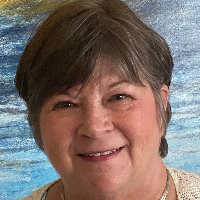
Tracey Nolen, LPC
Georgia · 14 years in practice
Tracey Nolen is a Licensed Professional Counselor (LPC) in Georgia with 14 years of experience.
License and registration
- LPC, Georgia
- LPC012693 · expires September 2026
- NPI
- 1417609223 · national provider identifier
- Years in practice
- 14
- Languages
- English
Details are as listed on the therapist's public professional profile. You can check the license with the issuing state board, and the NPI with the national registry.
About Tracey
Tracey Nolen is a Licensed Professional Counselor (LPC) in Georgia with 14 years of experience. She helps people who are dealing with anxiety, depression, grief, family conflict, parenting stress, and challenges with self-esteem. She focuses on practical steps and steady support so clients can move forward at their own pace.
She starts by listening and making space for each person's story. Tracey believes people bring strengths and knowledge about their own lives.
Background and approach
Therapy is collaborative - she works alongside clients to set clear, realistic goals and try approaches that fit their needs. Her work draws on several methods, including Existential therapy, Acceptance and Commitment Therapy (ACT), Client-Centered therapy, Cognitive Behavioral Therapy (CBT), and Dialectical Behavior Therapy (DBT).
She uses simple tools from these approaches to address thoughts, emotions, and behavior so stress, panic, or sadness feel more manageable. Tracey often helps people facing relationship strain, grief and loss, mood disorders, trauma, and parenting pressures. She also supports those handling caregiver stress, commitment concerns, and issues related to self-worth and impulsivity.
Sessions are grounded and straightforward, focused on what matters most in daily life. People meet with her to talk things through, learn coping skills, and build plans for change. She offers video calls, phone sessions, live chat, and text-based messaging to fit different schedules and needs.
Focus areas and approaches
Everything Tracey lists on their public professional profile, in their own terms.
- Family conflicts
- Grief
- Parenting issues
- Self esteem
- Coping with life changes
- Stress, Anxiety
- LGBT
- Relationship issues
- Trauma and abuse
- Intimacy-related issues
- Anger management
- Bipolar disorder
- Depression
- Coaching
- Compassion fatigue
- ADHD
- Abandonment
- Blended family issues
- Caregiver issues and stress
- Commitment issues
- Emptiness
- Family problems
- First responder issues
- Forgiveness
- Guilt and shame
- Impulsivity
- Infidelity
- Intellectual disability
- Jealousy
- Mood disorders
- Panic disorder and panic attacks
- Postpartum depression
- Post-traumatic stress
- Prejudice and discrimination
- Self-love
- Young adult issues
Approaches Tracey names
- Existential Therapy
- Acceptance and Commitment Therapy (ACT)
- Client-Centered Therapy
- Cognitive Behavioral Therapy (CBT)
- Dialectical Behavior Therapy (DBT)
- Emotionally-Focused Therapy (EFT)
Naming an approach is not evidence of training in it. This directory copies what each therapist lists and does not check training records.
Online support
Therapeutic approaches and online options
Existential therapy helps people examine what matters in their lives and face questions about meaning, choice, and responsibility. It can be useful for clients feeling emptiness, major life changes, or questions about identity. Acceptance and Commitment Therapy (ACT) focuses on noticing thoughts and feelings without getting overwhelmed by them, then taking committed action toward personal values; it often helps with anxiety, depression, and stress. Cognitive Behavioral Therapy (CBT) looks at patterns of thinking and behavior and teaches practical skills to reduce panic, manage mood, and change unhelpful habits.Finding the right approach is part of the work. The therapist will talk with clients about their goals, preferences, and daily challenges. Together they will try methods that fit and adjust as needed so the plan stays useful and realistic for each person.
Online therapy offers flexible ways to meet. Video calls let people have fuller conversations and see nonverbal cues. Phone sessions work when bandwidth is limited or a quieter voice check-in is preferred. Live chat and text-based messaging allow short check-ins, brief homework exchanges, and ongoing support between longer sessions. These options make it easier to fit therapy into busy lives and different schedules.
We will earn a commission if you sign up through our link, at no cost to you. It does not change what you pay or the order of the listings.
Questions people ask
What concerns does Tracey help with?
She supports people facing anxiety, depression, grief, family conflict, parenting stress, trauma, relationship and intimacy issues, mood disorders, and related challenges such as ADHD and anger.
What is her therapeutic style like?
Her style is collaborative and straightforward. She listens first, then uses practical tools and goal-setting to help clients make changes over time.
How much experience does she have?
Tracey has 14 years of professional work experience providing counseling and support in a range of settings.
What credentials and location are listed?
She is a Licensed Professional Counselor (LPC) licensed in Georgia and practices with that credential.
Which languages are sessions offered in?
Sessions are offered in English.
What session formats are available?
Tracey offers video calls, phone sessions, live chat, and text-based messaging to suit different schedules and needs.
How does cost and billing work?
Costs vary with location and therapist availability; sessions use a subscription model that can be canceled at any time.
How do I get started with her?
Use the Start Therapy button, complete a short matching questionnaire, and then schedule according to therapist availability.
More therapists in Georgia
See allGarrick Lawton
LPC
Practical support for stress, trauma, and life changes
- Stress, Anxiety
- Addictions
- Trauma and abuse

Goziam Ogwu
LPC
Practical support for stress and relationship struggles
- Stress, Anxiety
- Relationship
- Family


Is this your profile?
Ask us to correct details or take the page down.
Contact us