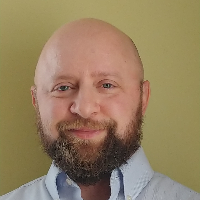
James Rusk, LICSW
West Virginia · 17 years in practice
James Rusk is a Licensed Independent Clinical Social Worker (LICSW) in West Virginia with 17 years of experience.
License and registration
- LICSW, West Virginia
- DP00946174 · expires July 2026
- NPI
- 1972656254 · national provider identifier
- Years in practice
- 17
- Languages
- English
Details are as listed on the therapist's public professional profile. You can check the license with the issuing state board, and the NPI with the national registry.
About James
James Rusk is a Licensed Independent Clinical Social Worker (LICSW) in West Virginia with 17 years of experience. He helps people facing anxiety, depression, grief, stress, addictions, relationship and intimacy concerns, parenting challenges, career strain, and questions about identity and LGBT issues. He also supports people dealing with bipolar symptoms, compassion fatigue, and major life changes.
Rusk approaches therapy in a conversational, curious way. He treats clients as the experts on their own lives and uses listening to help people make sense of their experience.
Background and approach
Sessions focus on the stories people tell about themselves and how those stories shape feelings and choices. He draws on Existential therapy ideas to talk about meaning, choice, and responsibility. He also uses Acceptance and Commitment Therapy (ACT) principles and Client-Centered methods to help people notice what matters and take steps that align with their values.
Cognitive Behavioral Therapy and mindfulness practices are used when helpful to change unhelpful patterns and develop steady attention. In sessions people can expect a respectful, nonjudgmental tone. Rusk aims to help clients notice patterns that cause needless suffering and try small changes that feel doable.
Work can include talking, practical exercises, and mindfulness skills to manage strong feelings. Rusk has worked in agency, independent practice, and medical settings over his career. He accepts international clients and conducts sessions in English.
He frames therapy as a partnership focused on making meaning and increasing willingness to try new ways of living.
Focus areas and approaches
Everything James lists on their public professional profile, in their own terms.
- Stress, Anxiety
- Family conflicts
- Grief
- Coping with life changes
- Addictions
- LGBT
- Relationship issues
- Intimacy-related issues
- Parenting issues
- Self esteem
- Career difficulties
- Bipolar disorder
- Depression
- Compassion fatigue
Approaches James names
- Existential Therapy
- Acceptance and Commitment Therapy (ACT)
- Client-Centered Therapy
- Cognitive Behavioral Therapy (CBT)
- Mindfulness Therapy
- Motivational Interviewing
- Narrative Therapy
- Psychodynamic Therapy
Naming an approach is not evidence of training in it. This directory copies what each therapist lists and does not check training records.
Online support
How different approaches shape online sessions
Existential Therapy focuses on questions of meaning, choice, and responsibility. In online sessions this approach helps people name what matters to them, understand how choices shape their life, and face uncertainty with clearer intent. It can be useful for major life changes, grief, and identity questions. Acceptance and Commitment Therapy (ACT) asks people to notice thoughts and feelings without fighting them and then take actions that match their values. In remote work this often looks like learning brief mindfulness exercises and setting small, doable goals tied to what matters most. Client-Centered Therapy centers the person's own perspective and emphasizes empathy and genuine listening. Online sessions using this approach prioritize a warm, accepting space where the person drives the agenda and the therapist mirrors understanding. Finding the right mix of approaches is part of the process. The therapist will collaborate with each person to see which ideas and techniques fit their needs, goals, and preferences. Together they will try things, notice what helps, and adjust the plan as needed. Online formats give practical flexibility. Video calls allow face-to-face conversation and visual cues. Phone sessions can fit into a short break and use less bandwidth. Live chat or text-based messaging supports quick check-ins, journaling prompts, or ongoing skills practice between sessions. These options make it easier to fit therapy into a busy life and try different ways of connecting with a licensed professional.We will earn a commission if you sign up through our link, at no cost to you. It does not change what you pay or the order of the listings.
Questions people ask
What concerns does this therapist help with?
He supports people coping with stress, anxiety, depression, grief, addictions, relationship and intimacy issues, parenting strain, career concerns, bipolar symptoms, compassion fatigue, and LGBT-related matters.
What is his general therapeutic style?
He works in a conversational, respectful way and treats clients as the expert on their lives. Sessions tend to focus on the stories people tell and on practical steps tied to personal values.
How much experience does he have?
He has 17 years of clinical experience working in agency, independent practice, and medical settings.
What credentials and location are listed?
He holds the LICSW credential and is based in West Virginia.
In which languages are sessions offered and can international clients join?
Sessions are offered in English and international clients are accepted.
What session formats are available?
Sessions can be scheduled as video calls, phone sessions, live chat, or text-based messaging.
How does cost and subscription work?
Cost varies with location and therapist availability; sessions use a subscription model that can be canceled at any time.
How do I get started with therapy?
Begin by selecting the Start Therapy button, complete a short matching questionnaire, and schedule sessions according to therapist availability.
More therapists in West Virginia
See allMeagon Keck
LPC
Compassionate counselor for anxiety and trauma
- Stress, Anxiety
- Trauma and abuse
- Self esteem

Casey Day
LPCC, LPC
Supportive, practical counseling for life challenges
- Stress, Anxiety
- Family
- Self esteem

Elizabeth Williams
LPC
Practical, affirming counseling for complex emotions
- Stress, Anxiety
- Sleeping
- Depression

Jennifer Reed-Grimmett
LPC
Compassionate, plainspoken counselor focused on practical change
- Stress, Anxiety
- Relationship
- Trauma and abuse

Is this your profile?
Ask us to correct details or take the page down.
Contact us