
Dennis Forfa, LIMFT, LMFT
California · 16 years in practice
Dennis Forfa is a licensed marriage and family therapist with 16 years of clinical experience.
License and registration
- LMFT, California
- 113069 · expires April 2027
- LMFT, Idaho
- LMFT-8671 · expires April 2026
- LIMFT, Ohio
- F.2200238 · expires January 2028
- LMFT, Wyoming
- LMFT-268 · expires April 2026
- LMFT, Colorado
- MFT.0002132 · expires August 2027
- LMFT, Indiana
- 35002211A · expires April 2026
- LMFT, Pennsylvania
- MF001405 · expires February 2027
- LMFT, Montana
- BBH-LMFT-LIC-55922 · expires December 2026
- LMFT, Utah
- 12933807-3902 · expires September 2026
- LMFT, Vermont
- 100.0134097 · expires November 2026
- LMFT, Michigan
- 4101007234 · expires August 2026
- LMFT, Nevada
- 4410-R · expires January 2028
- LMFT, Wisconsin
- 1470-124 · expires February 2027
- LMFT, Arizona
- LMFT-15916 · expires February 2027
- LMFT, Maine
- MF7611 · expires July 2026
- NPI
- 1932687118 · national provider identifier
- Years in practice
- 16
- Languages
- English
Details are as listed on the therapist's public professional profile. You can check the license with the issuing state board, and the NPI with the national registry.
About Dennis
Dennis Forfa is a licensed marriage and family therapist with 16 years of clinical experience. He works with people feeling stuck by stress, anxiety, grief, or a lost sense of purpose. His approach aims to help clients move forward when creative energy, motivation, or connection feel depleted.
He meets people where they are and focuses on practical steps. Sessions often include noticing what matters, naming barriers, and practicing small changes that add up.
Background and approach
He uses ideas from existential therapy to help people clarify values and meaning in life. Dennis also draws on Acceptance and Commitment Therapy and mindfulness practices to teach coping skills for worry and overwhelm. Narrative work helps people reframe stories they tell about themselves and their relationships.
Together these approaches support clearer choices and steadier action. Typical goals include improving communication, reducing shame and isolation, processing losses, and finding direction during midlife or career transitions. He emphasizes building strategies that can be used after therapy ends rather than quick fixes.
Sessions are offered by video, phone, live chat, or text-based messaging, giving flexibility for busy schedules. People start by completing a short matching questionnaire and scheduling a time that fits their routine.
Focus areas and approaches
Everything Dennis lists on their public professional profile, in their own terms.
- Stress, Anxiety
- Relationship issues
- Grief
- Self esteem
- Coping with life changes
- Intimacy-related issues
- Career difficulties
- Communication problems
- Guilt and shame
- Isolation / loneliness
- Life purpose
- Midlife crisis
Approaches Dennis names
Naming an approach is not evidence of training in it. This directory copies what each therapist lists and does not check training records.
Online support
How existential ideas and practical methods work online
Existential therapy helps people name what matters and examine life choices. It supports work on big questions like purpose, meaning, and how to live with uncertainty. This approach can be useful when career direction, midlife concerns, or a sense of emptiness are central issues.Acceptance and Commitment Therapy, or ACT, focuses on noticing unhelpful thoughts and committing to actions that match personal values. It uses simple exercises and mindful practices to reduce struggle with worry or self-criticism and to build steadier habits.
Finding the right mix of approaches is part of the process. The therapist works collaboratively to identify goals and try techniques that fit each person’s needs and preferences. Adjustments are made over time so work stays relevant and useful.
Online sessions offer practical flexibility. Video calls let people hold deeper conversations while seeing facial cues. Phone sessions use less bandwidth and can fit into a work break. Live chat and text-based messaging support brief check-ins, follow-up notes, or when writing feels easier than talking. These formats make it simpler to keep therapy consistent around life commitments.
We will earn a commission if you sign up through our link, at no cost to you. It does not change what you pay or the order of the listings.
Questions people ask
What concerns does he help with?
Dennis focuses on stress, anxiety, relationship strain, grief, self-esteem, and coping with life changes. He also addresses intimacy-related issues, career questions, and feelings of isolation or shame.
What is his therapeutic style like?
He combines existential thinking with practical skills from Acceptance and Commitment Therapy and mindfulness. Sessions balance meaning-focused conversation with hands-on tools for daily life.
How much experience does he have?
He has 16 years of clinical experience working with adults on a range of concerns. That experience informs a practical, outcome-minded way of working with clients.
Where is he licensed and based?
Dennis holds LIMFT and LMFT credentials and practices out of Indiana. His license details include OH LIMFT and NV LMFT as listed.
Which languages are supported?
Sessions are offered in English only.
What session formats are available?
He offers video calls, phone sessions, live chat, and text-based messaging to fit different needs and schedules.
How does payment work and what does it cost?
Cost varies with location and therapist availability; sessions are provided through a subscription model that can be canceled at any time.
How do I begin working together?
Start by selecting the Start Therapy button and completing a short matching questionnaire. Then schedule sessions according to the therapist's listed availability.
More therapists in Indiana
See all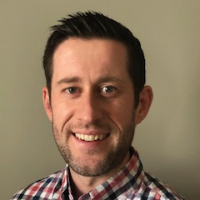
Maria Wilson
LCSW
Practical, respectful counseling for life’s hard moments
- Stress, Anxiety
- Relationship
- Family

Lori Karman
LMHC, LPCC
Practical support for everyday life and change
- Stress, Anxiety
- Anger
- Self esteem

Andrew Miller
LICSW, LCSW
Grounded, practical care for life’s hard moments
- Stress, Anxiety
- Family
- Trauma and abuse
Is this your profile?
Ask us to correct details or take the page down.
Contact us