Clinical social work directory
Therapists who work with Licensed Master Social Worker (LMSW)
26 therapists in this directory list Licensed Master Social Worker (LMSW). Registration details are shown as each therapist lists them; the body's own public register is the place to check a number.
A Licensed Master Social Worker (LMSW) is a clinician who has completed graduate-level social work education and state licensure to provide professional mental health services. Below you can browse verified LMSW therapists listed on Existential Therapists to review credentials, approaches, specialties and languages.

Jonathan Rosengren
LMSW
Existential and practical therapy for meaning and change
- Stress, Anxiety
- Addictions
- Relationship

Diavet Hoye
LMSW
Practical, experienced support for life's hard moments
- Stress, Anxiety
- Anger
- Self esteem
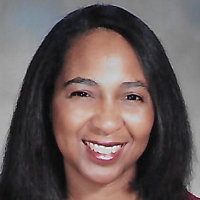

Mary Niedermeier-Bleyaert
LMSW
Calm guidance to find clearer choices
- Stress, Anxiety
- Relationship
- Family
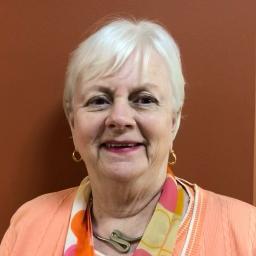
Leonard Uchendu
LMSW, LCSW, CSW
Practical, values-focused support for real life
- Stress, Anxiety
- Addictions
- Trauma and abuse

Victoria Haltom
LMSW
Calm, practical therapy for life’s hard moments
- Stress, Anxiety
- Relationship
- Grief

Alexa Sorensen
LMSW
Supportive therapist focused on meaning and coping
- Stress, Anxiety
- LGBT
- Relationship

Shaa-Ista Simmons-Wilcox
LMSW
Compassionate existential-informed support for everyday struggles
- Stress, Anxiety
- Grief
- Self esteem

Lisa Warden
LMSW, LCSW
Experienced social worker focused on recovery and meaning
- Stress, Anxiety
- Addictions
- Trauma and abuse

Michele Koenes
LMSW, LCSW
Helping people find direction and cope with stress
- Stress, Anxiety
- Family
- Trauma and abuse

Tyania McConnell
LCSW, CSW, LMSW
Compassionate, practical therapy focused on meaning
- Stress, Anxiety
- Grief
- Self esteem

Colette Spaulding
LMSW
Existential-informed therapist focused on practical change
- Stress, Anxiety
- Trauma and abuse
- Self esteem

Charlotte Beachem
LMSW
Practical therapy for stress and life change
- Stress, Anxiety
- Addictions
- Trauma and abuse

Adam Beyer
LMSW
Practical, values-focused therapy with experience
- Stress, Anxiety
- Trauma and abuse
- Anger


Kimnetta Snowden
LCSW, LMSW
Hopeful, practical support for life’s challenges
- Stress, Anxiety
- Trauma and abuse
- Self esteem

Alison Mace
LMSW
Compassionate, practical therapy for adults
- Stress, Anxiety
- Relationship
- Trauma and abuse
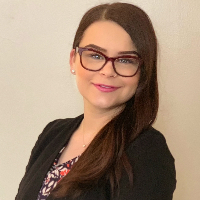
Dr. Scott Shaw
LPC, LMSW
Calm, practical counseling for life challenges
- Stress, Anxiety
- Trauma and abuse
- Self esteem

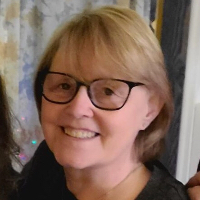
Mark Panasiewicz
LMSW
Direct, practical therapy focused on real-life change
- Stress, Anxiety
- Relationship
- Family

Micah Beckman
LMSW
Therapist focused on meaning and coping
- Stress, Anxiety
- Relationship
- Trauma and abuse

Teresa Barnes
LMSW
Helping people find meaning and practical coping tools
- Stress, Anxiety
- Addictions
- Trauma and abuse


Michael Dubose
LCSW, LMSW
Calm, practical support for life's hard moments
- Stress, Anxiety
- Depression
- Coping with life changes

Chelsea Sudderth
LMSW
Existential-informed, client-centered support
- Stress, Anxiety
- Trauma and abuse
- Bipolar

Some links on this page are partner links. We will earn a commission if you sign up through one, at no cost to you. It does not change what you pay or the order of the listings.
What Licensed Master Social Worker (LMSW) Means and how you become one
An LMSW designation indicates that a clinician has completed a master of social work degree and met the licensure requirements established by a state licensing board. The typical path begins with an accredited graduate social work program where you study clinical theory, human development, social policy and practical interventions. Coursework is often accompanied by supervised field internships that provide direct practice experience with individuals, families and groups.
After earning a master of social work, candidates apply to their state board for the LMSW credential. Requirements vary by state but commonly include passing a national licensure examination and meeting background and education verifications. In some states the LMSW is an entry-level clinical license that allows practice under certain supervision conditions, while in others it represents a full independent license for clinical social work. Understanding the specific pathway in your state helps you interpret what the credential represents when you review a clinician profile.
What an LMSW therapist is qualified to do - comparison with other license types
When you look at clinician credentials, the LMSW tells you about training and licensure in social work specifically. LMSW clinicians typically provide assessment, psychotherapy and case management, and they often work in settings that range from outpatient clinics to community organizations. The scope of practice for an LMSW can overlap with that of clinical social workers who hold different credentials, yet distinctions matter: some social work licenses allow independent practice, while others require supervision for clinical work or for certain interventions.
Compared with other common mental health licenses, such as those held by psychologists or licensed professional counselors, an LMSW reflects a social work framework that emphasizes systems, community resources and social determinants of health alongside individual psychotherapy. Psychologists are trained in extensive psychological testing and research methods, and licensed professional counselors may have different educational emphases and state-specific practice rights. Rather than ranking credentials, focus on what each clinician emphasizes in their profile - the populations they serve, the types of issues they list, and the approaches they use - to find a match with your needs.
Common specialties and treatment areas for LMSW therapists
LMSW therapists often work across a wide range of clinical areas because social work training covers both individual care and broader social systems. Many list specialties such as mood disorders, anxiety, trauma, relationship issues, grief and life transitions. Others focus on work with specific populations, including adolescents, parents, older adults, or communities affected by socioeconomic stress. You will also find LMSW therapists who work in integrated care settings, collaborating with medical providers and community services to address both mental health and practical needs like housing or employment.
When examining profiles, note that clinicians may list particular therapeutic approaches and themes rather than formal certifications. For example, you may find therapists who list cognitive behavioral methods, psychodynamic perspectives, trauma-informed approaches or family systems work among their approaches. Because listing an approach does not necessarily indicate formal certification, consider how a clinician describes their experience with particular issues, the populations they emphasize, and the language they use to explain their work. That context helps you understand whether their focus aligns with what you are seeking.
How to verify an LMSW credential and interpret licensure details
You can verify an LMSW credential through the state licensing board that issued the license. Most state boards maintain an online directory where you can search by clinician name or license number to confirm that the license is current and to review any public disciplinary history. If a profile on a directory includes a license number, you can use that as a starting point for your search. Boards also publish the scope and limits of each license type, so checking the board website helps you understand whether the LMSW in your state practices independently or under supervision.
In addition to state verification, look at how a clinician describes their educational background and supervised experience. Many profiles will note where a clinician completed their master degree and the populations they have worked with. If you have specific questions about licensure or scope of practice, you may contact the state board directly or use the contact option on a clinician profile to ask a few clarifying questions. Accurate verification gives you confidence about the credential while helping you set expectations for the clinician's role in your care.
Benefits of choosing a LMSW therapist
Choosing an LMSW therapist can bring distinct advantages depending on what you need from treatment. Social work training emphasizes the interplay between individual mental health and social context, so LMSW clinicians often integrate practical problem-solving, access to community resources and attention to life circumstances as part of therapy. If you are dealing with stressors that include workplace issues, family caregiving, housing concerns or access to community supports, a clinician with a social work background may be particularly attuned to those dimensions.
LMSW therapists also frequently have experience working in diverse settings, which can translate into flexibility in how they approach care. They may incorporate case management elements, help you navigate systems that affect your wellbeing, and coordinate with other professionals when that collaboration supports your goals. These strengths do not replace a therapeutic focus on emotion, behavior and relationship patterns, but they do add a practical layer that can make therapy useful in the broader context of your life.
Tips for finding the right LMSW therapist for your needs
Start by clarifying what you want from therapy. Consider whether you seek short-term problem solving, long-term depth work, support for specific life transitions, or assistance navigating social services. Use those goals to narrow searches by looking for clinicians who list relevant specialties, describe experience with particular populations, or offer approaches that resonate with you. Remember that a clinician's listed approaches are descriptive - for instance, you might find therapists who list mindfulness-based, trauma-informed or narrative approaches among their methods. Think about which language feels most aligned with how you want to work.
When you review profiles, pay attention to practical details that matter to you - the languages a clinician speaks, the populations they emphasize, and how they describe their therapeutic stance. You can often glean a sense of fit from a brief profile summary and the clinician's explanatory language. If you want to explore further, prepare a few questions or topics to raise when you reach out, such as how they typically work with clients facing issues like yours, what a typical session looks like for them, and what kinds of collaboration with other providers they offer. Trust your impressions about communication and rapport - that connection is a central factor in effective therapy.
Final considerations
Licensure is an important indicator of formal training and regulatory oversight, but it is one piece of a broader picture. Take the time to read clinician profiles carefully, consider how their focus aligns with your needs, and look to state licensing resources for verification. With those steps you can find an LMSW therapist who matches your goals and offers a therapeutic approach that feels right for you.